Alternative MA 2026/2028
Food and Art
This Alternative MA (altMA) pursues the reconceptualisation of the world through food, reframing a food-scape reality where to develop an artistic practice. This programme is built on a desire to explore, learn and relate to food as a valid discipline in the arts, academia and other educational contexts. The altMA departs from an understanding of food as foundational, the essential part of any world-building exercise. Through it, we aim to establish food and cooking as inherent signifiers of human culture. Seeing-through-food is crucial because food and its systems build the current ecological terraforming.
Food and Art altMA
Sep 2026 - May 2028
35 participants per cohort
The Food and Art Alternative MA is a unique 2-year course focusing on food practices as political subjects in contemporary art and culture. We navigate the intersection of culinary histories, socially engaged art, political discourse and ecological understandings to critically explore contemporary tensions and possibilities through food.
The teaching combines in-house classes addressing foundational aspects of food and art, guest lectures from some of the most relevant minds in the field, residencies in collaboration with cutting-edge institutions or organisations, group discussions, individual tutorials, study groups, and possibilities for public presentations.
2 Years
The 2-year format of the altMA allows participants to steadily build well-rounded and solid foundations of knowledge and skills, hence creating confident conditions to fully immerse themselves in project development and for fine-tuning of particular interests and practices within the Food and Art realm.
In contrast to universities globally, which are increasingly shrinking their curricula, we adopt a program length that we believe is necessary to give space and time for a creative practice to solidify and thrive.
Full format
Online lectures 5 in-person residencies Project development Peer learning 3200€ / year
APPLICATIONS DEADLINE 29 MAR 2026
Lectures - every Monday, 7pm - 8.30pm CET
Study Groups - every Thursday, 7pm - 9pm CET
#1 Residency - with Mediamatic
Amsterdam, NL
#2 Residency - with colectivo amasijo
Mexico City, MX
#3 Residency
Madrid, ES
#4 Residency
Location TBC
#5 Residency
Location TBC
Online format
Online lectures Peer learning 950€ / year
SIGN UP DIRECTLY UNTIL CAPACITY IS REACHED
Lectures - every Monday, 7pm - 8.30pm CET
Study Groups - every Thursday, 7pm - 9pm CET
For participants with less availability, there is the option to join solely for the online content, without access to the residencies or project development. Instalment payments are available depending on the country where the bank card is issued.
Online Scholarships
In order to facilitate access to participants from less favourable economic backgrounds and POC, The Gramounce offers a limited amount of opportunities. This year, we are excited to offer scholarships and work exchanges for the online altMA program. These initiatives are designed to make the program more accessible to a diverse range of participants. The applications for the scholarships will be open from the 30th of March to the 30th of April.
INFO SESSION
Ask your questions directly on a zoom call on the 11th and 25th of February 2026
Applications
Applications for the full programme have now closed. Participants will be notified between April and May 2026. Places for the full altMA are limited to 35 participants.
For online-only participation please sign up directly via link at the bottom of this page.
Limited scholarships are available for the online-only programme, for those experiencing financial hardship, war or BIPOC participants whose experience has hindered their access to education. We do not request proof of hardship, but work on the basis of trust.
We also offer limited work exchange scholarships, whereby selected participants have free access to the online-only programme in exchange for a few working hours for The Gramounce.
The application form is available at the end of this page.
Enrollment
Successful applicants for the full altMA will be given a maximum of 10 days upon receiving the acceptance letter to pay for their course to secure their place. Please make sure you are ready to enrol by April. Instalment payments will be available depending on your bank and country of residence. Unfortunately, we are not able to offer any instalment plans that are not operated automatically.
For the online course, participants will be able to simply purchase access directly, without application.
Methodology
Full-timers will learn from a series of online lectures, residencies, assignments and project support via individual tutorials and cross-crits. For our online-only participants, we offer the same online lectures, and the opportunity to discuss and engage critically with their peers during the self-directed Study Sessions, held every Thursday.
The theoretical content of our programme is not always specifically about food, but about what we consider crucial for a food-art practice. We aim to create a tight knit community of critically engaged, curious and rooted thinkers and makers. Joining this altMA means to enter into a community of continued support, generosity and care, well beyond the end of the learning programme.
Structure
The majority of this programme is delivered online, comprising lectures, guest speaker presentations, self-managed peer-to-peer conversations (study Groups), with the addition of one-to-one tutorials and group crits for full-timers. References and reading materials are made available in advance, and participants are encouraged to engage with them. Once per term (except during term five), full-time participants are invited to join us on an in-person residency: ten days of practice-based learning and local research through workshops and field trips, held at different institutions, collectives or platforms. The residencies are fundamental for strengthening bonds among participants and for offering opportunities to experiment with and develop their projects.
During Year 1, the curriculum focuses on offering pockets of knowledge and sets of contexts from a variety of perspectives: lectures from in-house speakers, spanning food histories, anthropology, philosophy, science and beyond; as well as practice perspectives from guest speakers, artists, curators, designers, chefs, scientists, philosophers, writers, etc. Full altMA participants are further supported in translating research into practice through individual tutorials and group feedback sessions.
In Year 2, we hone in on project development and production with our full-timers, offering the support structure for participants to bring ideas to life and make projects happen. Still permeated with weekly lectures, the second year serves as a launching pad for ambitious ideas and their pursuit.
Meet our guest speakers
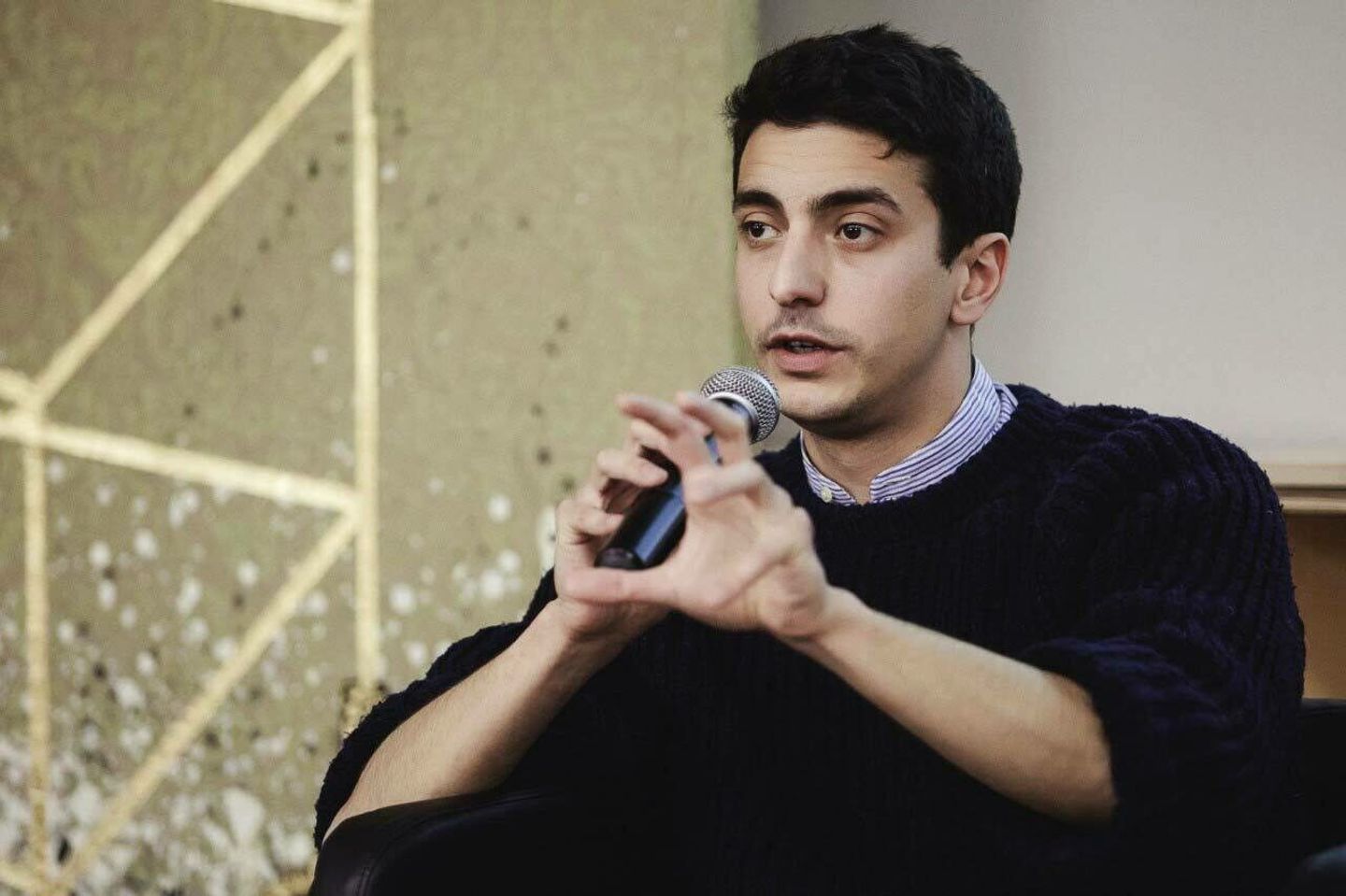
Federico Campagna
Read more
Philosopher and Writer
Federico Campagna
Philosopher and Writer
Federico Campagna is an Italian philosopher and writer based in London. His latest books are Prophetic Culture (2021) and Technic and Magic (2018). He is Critical Fellow at the Royalty Academy Schools in London, Associate Fellow at the Warburg Institute in London, and a director at the radical publisher Verso Books. He is the host of the podcast Overmorrow’s Library for the Centre of Contemporary Arts in Geneva. He is currently working on a new book on the history of world-building imagination in the Mediterranean.
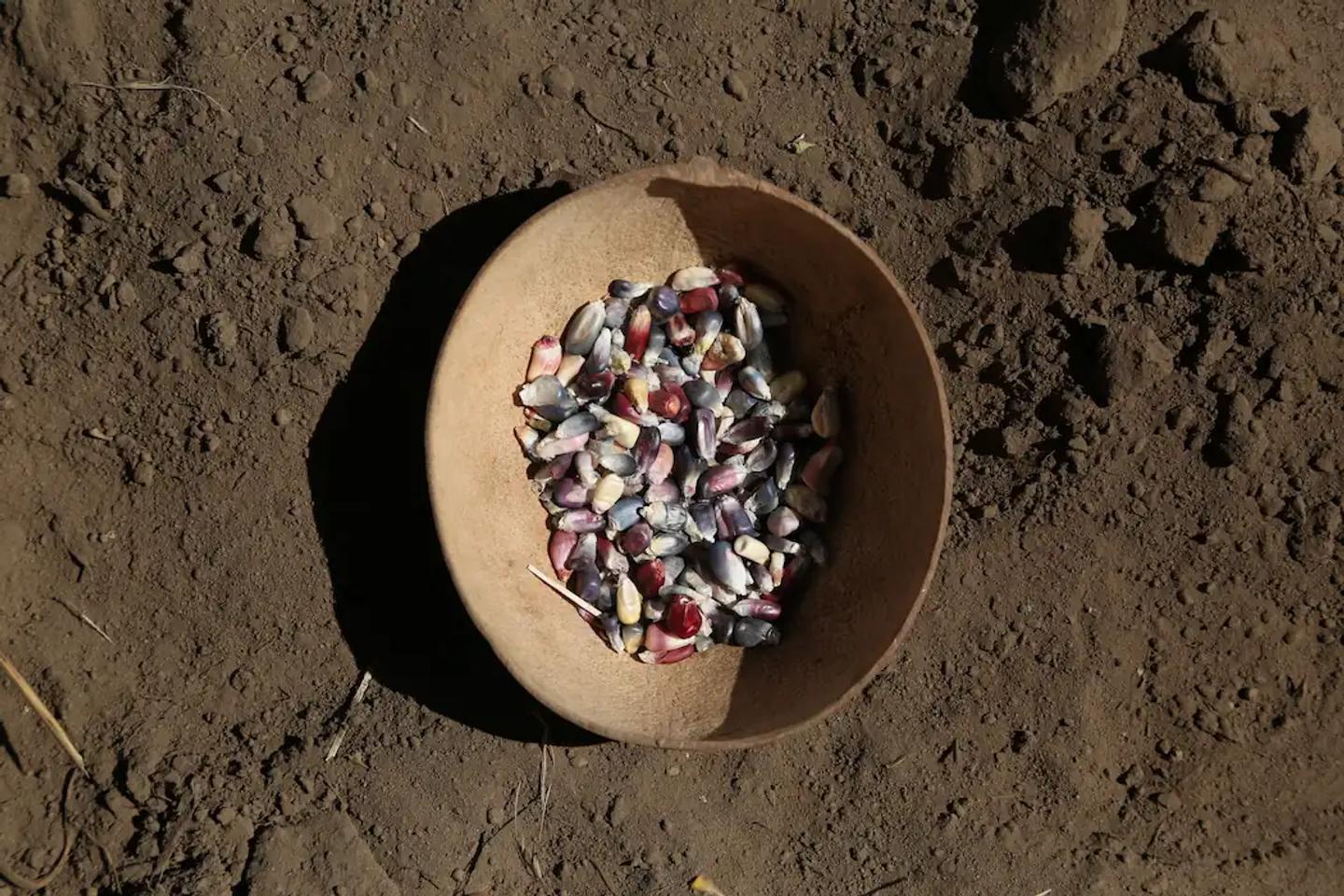
colectivo amasijo
Read more
Food Centred Collective
colectivo amasijo
Food Centred Collective
colectivo amasijo, created in 2019 in Mexico City, is comprised of women of different professions, different ages and from different parts of Mexico. The collective rises from the will to care, conserve, and celebrate. Creating the conditions to actively reflect on the origin and diversity of food, de-hierarchizing knowledge and focusing on the “doings” (haceres) as a way of learning. They listen to the narratives of women close to the land and cook collectively as a way to share, learn, and relate. Through food, the interdependence of language, culture, and territory becomes visible.
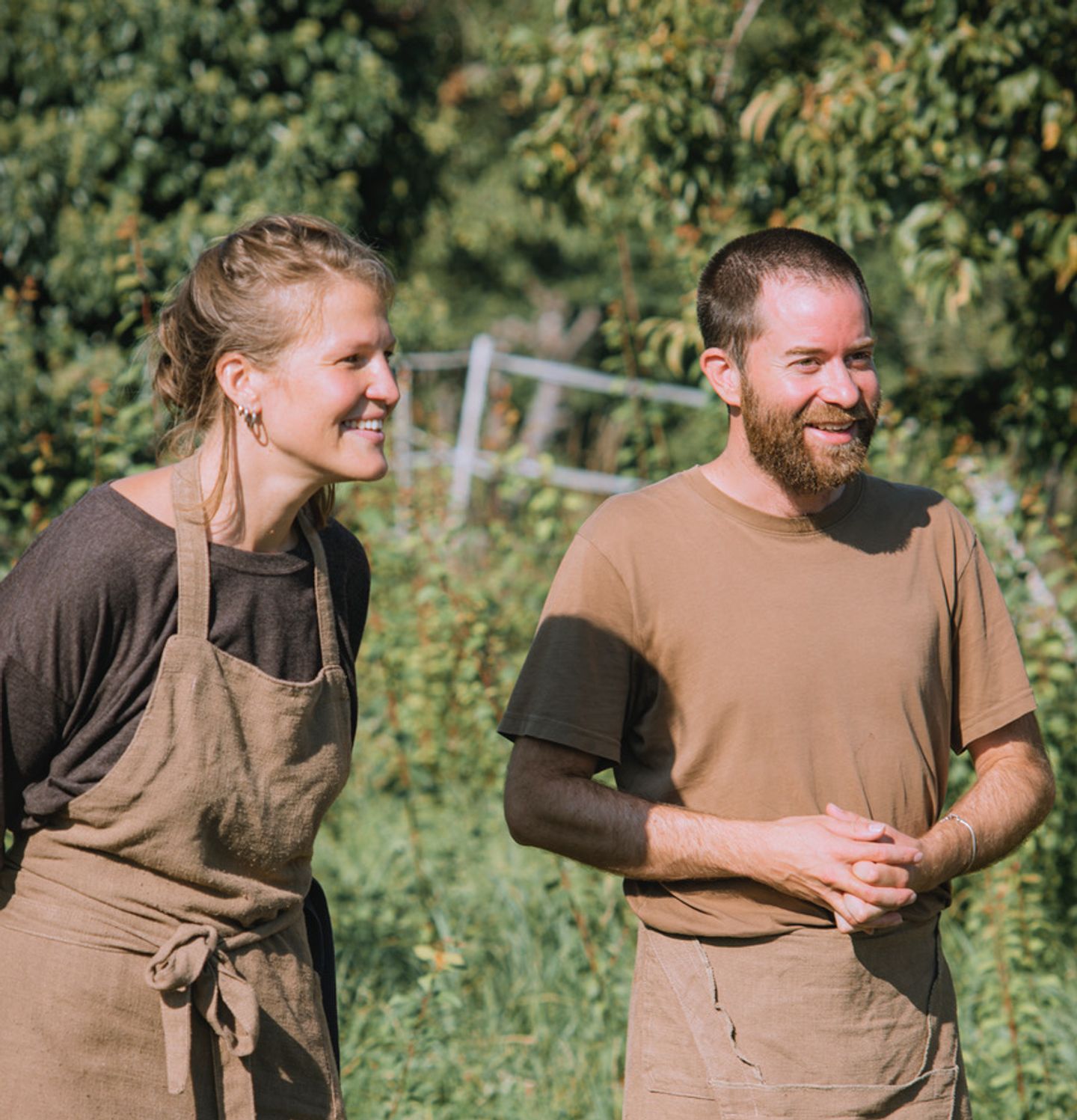
Studio ERBA (philipp kolmann & suzanne bernhardt)
Read more
Trans-local food studio
Studio ERBA (philipp kolmann & suzanne bernhardt)
Trans-local food studio
Since three years Philipp and Suzanne work together as more-than-human collective and trans-local food studio. Tracing the roots and routes of different foods across histories, geographies and cultures, they develop site-specific services, formats and frameworks to reimagine what and how we eat. Departing from their interest in sweetgrasses, the immersive family of grains and cereals foundational to all human settlement, they tell edible stories that activate all senses and seek to inspire caring relationships between people and land.
Currently, Philipp and Suzanne are reviving ancient techniques for food preservation and storage through the development of a permanent public art work for Dogo Residenz für Neue Kunst and Toggenburg Tourism (CH) to be opened in fall 2025. In addition, they are researching orchard culture and forgotten fruit trees for Nova Gorica and Gorizia, European Capital of Culture 2025 (SI) in collaboration with Robida Collective (IT). Besides, Philipp and Suzanne offer consulting services to those in need and develop workshops and educational programs for organisations in various areas, such as Design Campus Dresden (DE), Plantahof School of Agriculture (CH) or Tourismus Region Klagenfurt (AT).
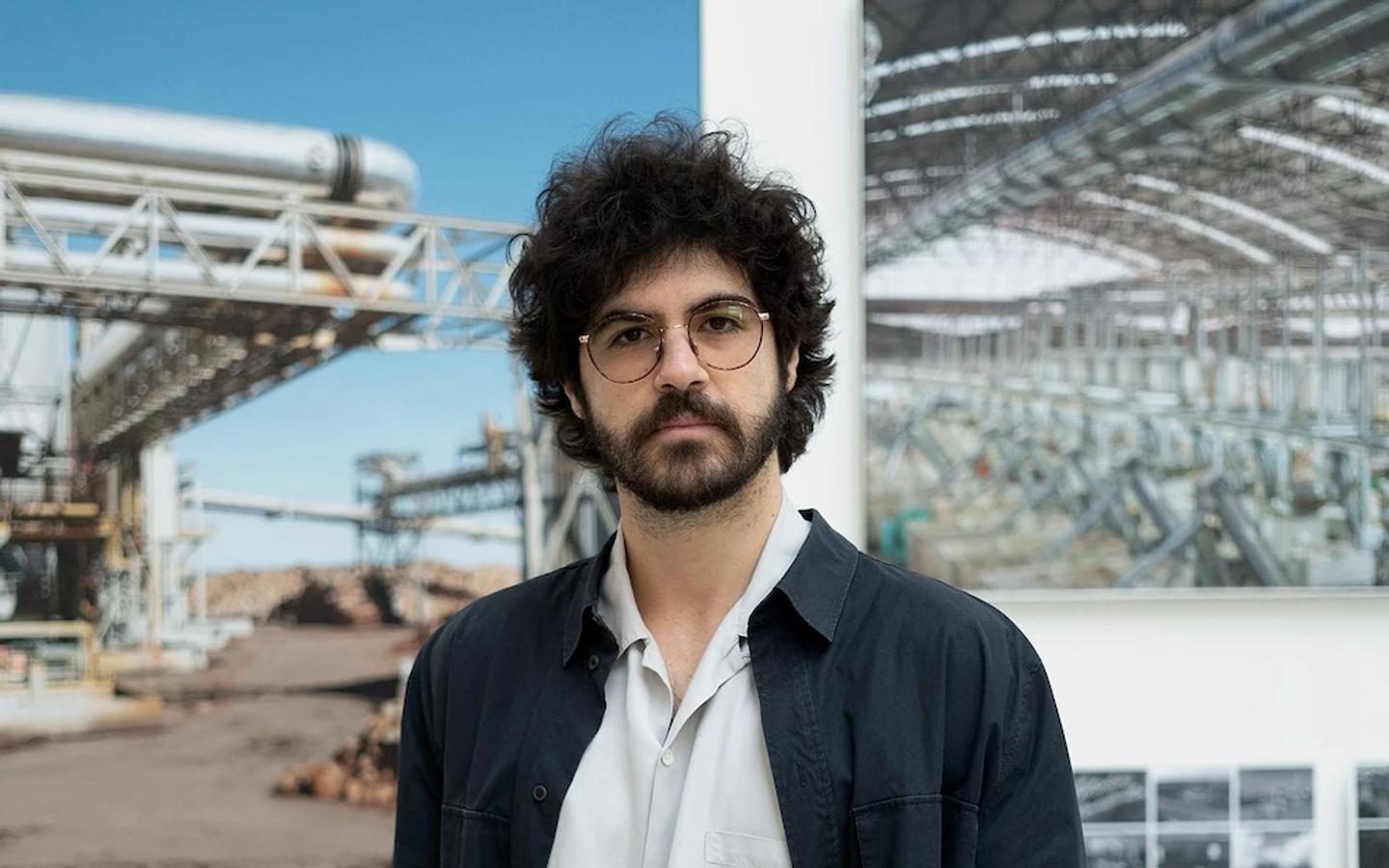
Eduardo Castillo-Viñuesa
Read more
Architect, Researcher and Curator
Eduardo Castillo-Viñuesa
Architect, Researcher and Curator
Eduardo Castillo-Vinuesa is an anti-disciplinary architect, curator, researcher, and educator operating at the intersection of academia and the cultural sector. His work utilizes a cross-disciplinary approach, integrating architecture, institutional design, filmmaking, and alternative curatorial practices to explore the critical spatial forces shaping our time. He often creates institutional and para-institutional platforms to develop research-driven projects that couldn’t be realized otherwise under more normative forms of research or practice.
An ongoing project is Foodscapes, a long-term research initiative focusing on the systemic, ecological, and political implications of our planetary food systems and the architectures and territories underpinning their existence.
Abena Offeh-Gyimah
Read more
Writer, Researcher, Food Consultant
Abena Offeh-Gyimah
Writer, Researcher, Food Consultant
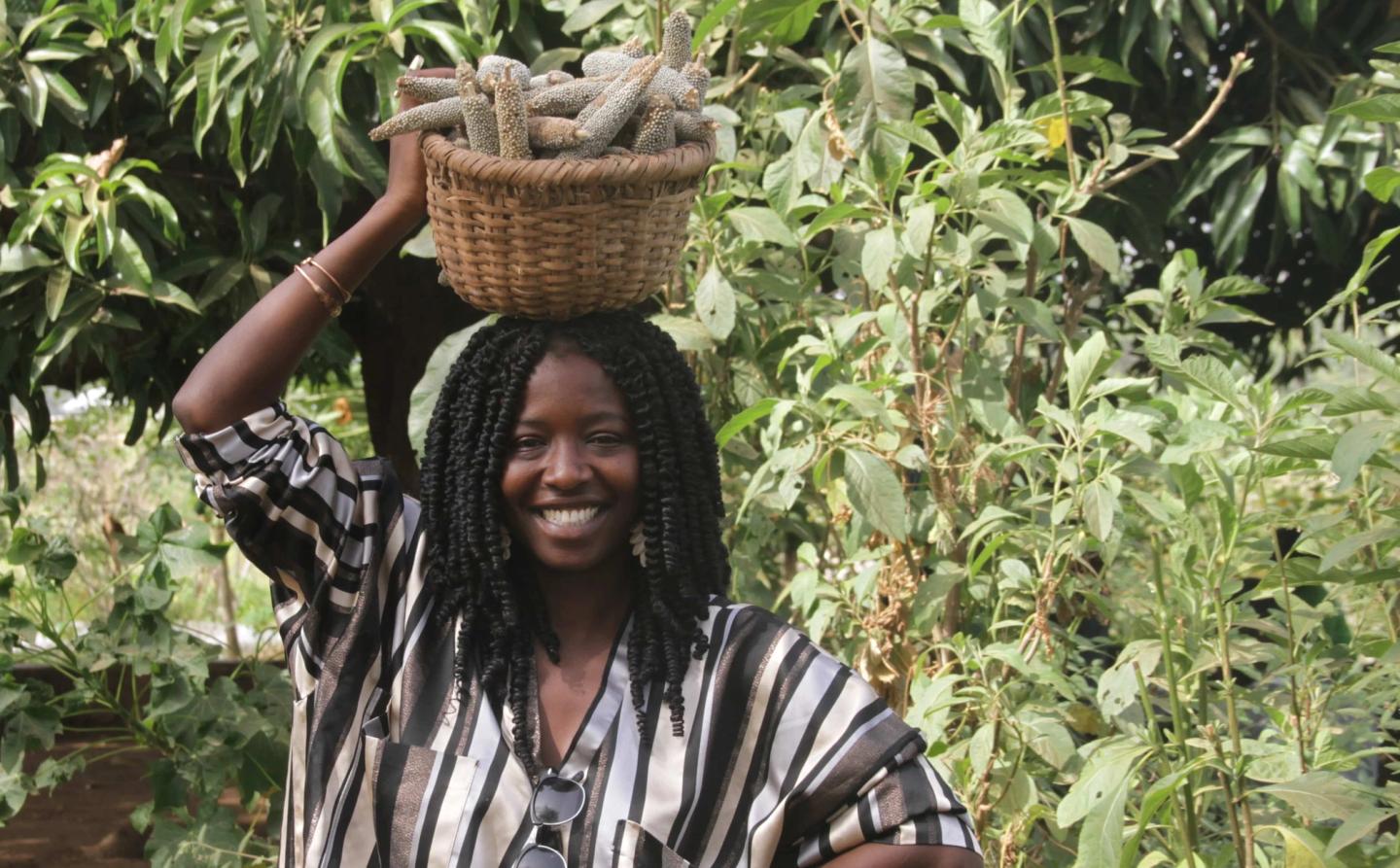
Abena Offeh-Gyimah (Toronto, Canada / Bolgatanga, Ghana) is a writer and researcher whose work helps to protect and maintain indigenous Ghanaian and West African seeds, foods, and plants. She is the founder and managing director of The Beela Project, she works with farmers in the Upper East Region of Ghana to preserve their indigenous seeds through seed exchanges, seed fairs, community seed banking, women’s nutritional garden, and agroecology. She is the founder of Adda Blooms, a food and beverage company specializing in indigenous African foods. Abena also hosts Taste of Bolga, a program exploring traditional food processes, cooking methods, and local food systems in Ghana. As a PhD candidate at the University of Guelph, she researches traditional knowledge and farmer seed systems in Ghana. She has worked in food, farming, and community systems for over a decade, including roles at Black Creek Community Farm and Jane Finch Community Research Partnership.
The Center for Genomic Gastronomy
Read more
Artist-led Think Thank
The Center for Genomic Gastronomy
Artist-led Think Thank
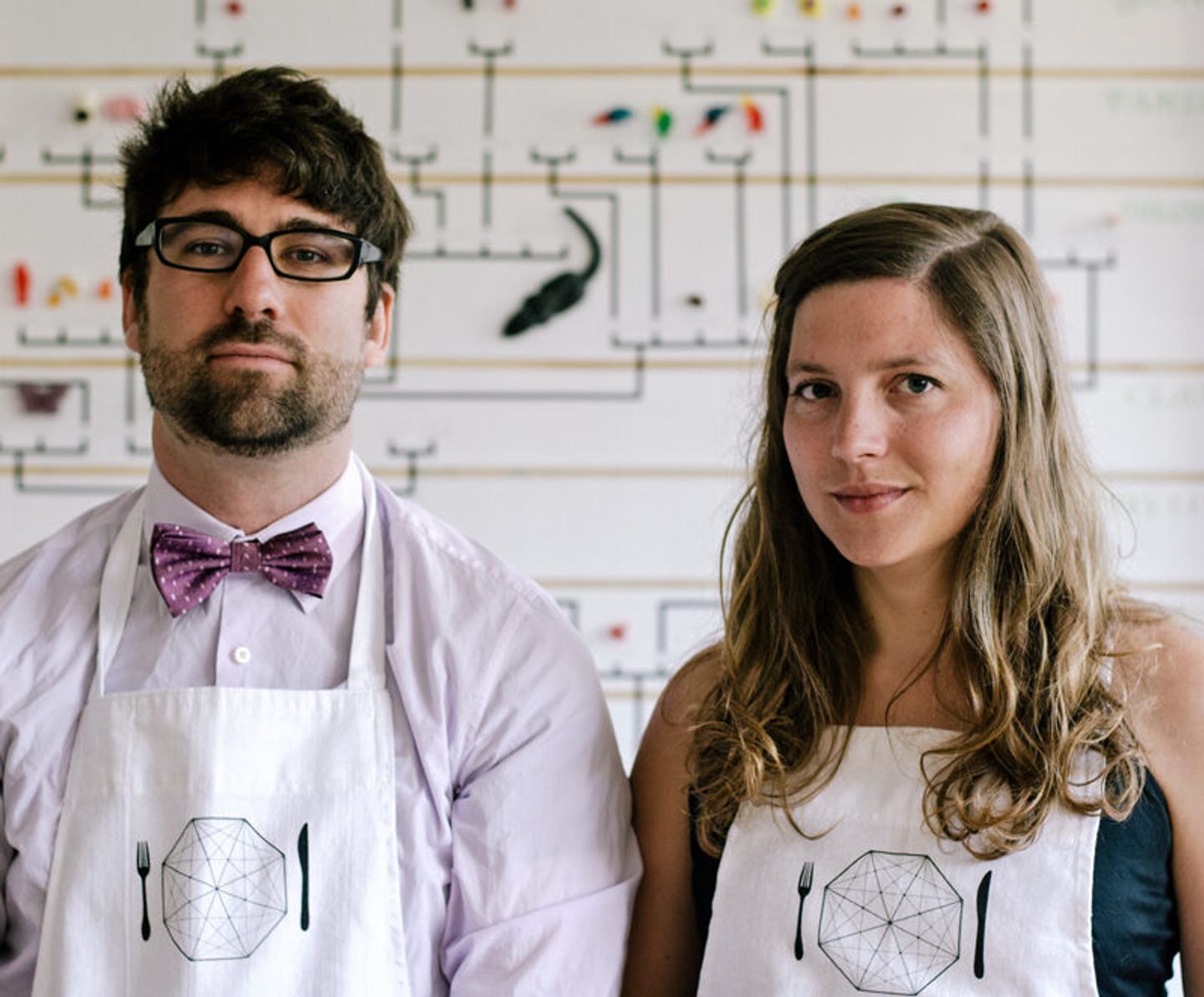
The Center for Genomic Gastronomy is an artist-led think tank launched in 2010 by Cathrine Kramer (NO) and Zack Denfeld (US) that examines the biotechnologies and biodiversity of human food systems. They have completed research and exhibited in Asia, Europe and North America, collaborating with scientists, chefs, hackers and farmers. Their mission is to map food controversies, prototype alternative culinary futures, and imagine a more just, biodiverse & beautiful food system.
The Center’s work has been published in WIRED, We Make Money Not Art, Science, Nature and Gastronomica and exhibited at the World Health Organization, Kew Gardens, Science Gallery Dublin and others.
Dr. Patricia Ononiwu Kaishian
Read more
Curator and Researcher
Dr. Patricia Ononiwu Kaishian
Curator and Researcher
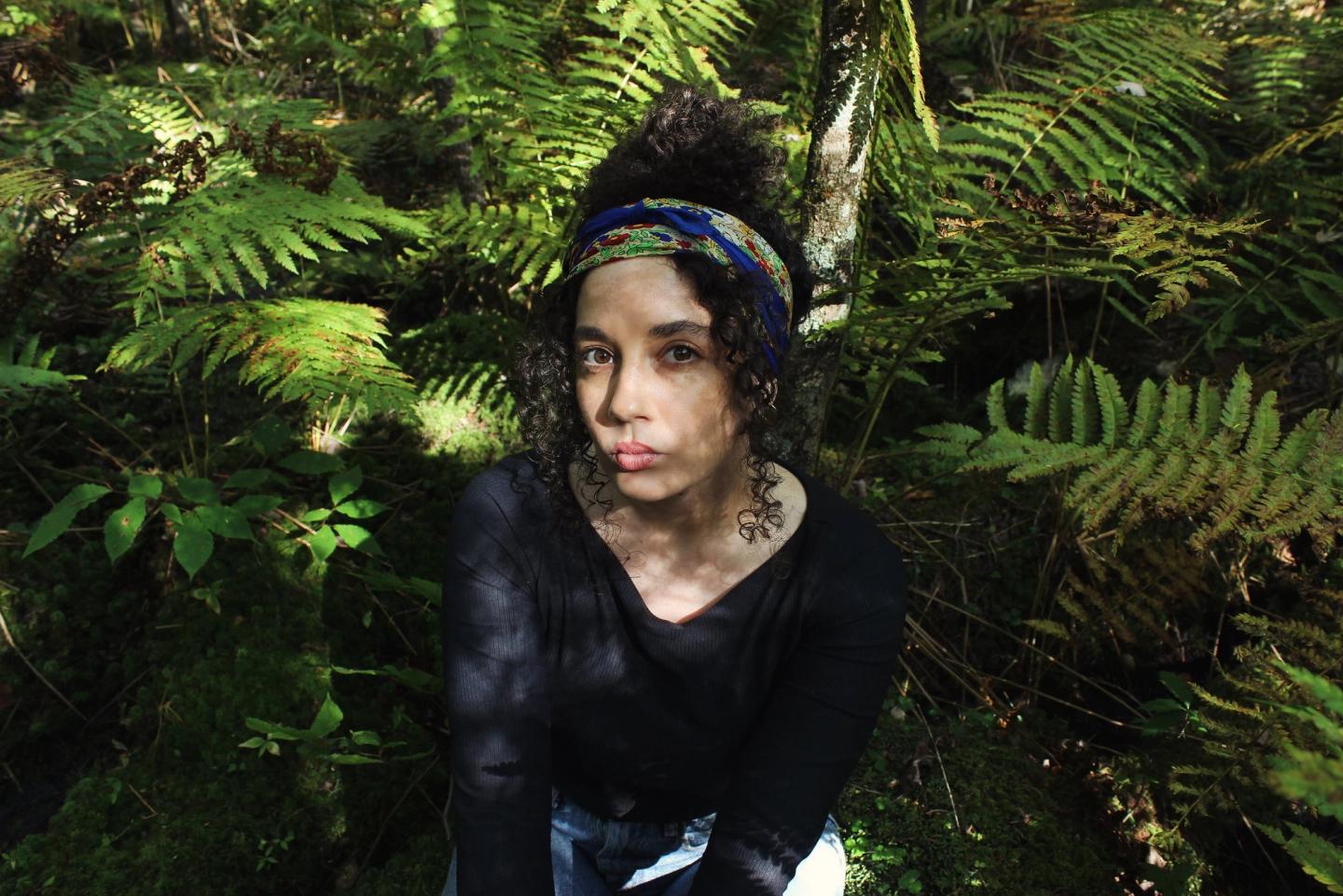
Dr. Patricia Ononiwu Kaishian is the Curator of Mycology at the New York State Museum, as well as faculty with the Bard Prison Initiative. Her research focuses on fungal taxonomy, diversity, evolution, symbiosis, and ecology, particularly of the less studied fungal groups, such as the insect-associated Laboulbeniales. She is a co-founder of the International Congress of Armenian Mycologists, which seeks to jointly protect Armenian sovereignty and biodiversity. Patricia also studies philosophy of science, queer ecology, and queer theory, exploring how mycology and other scientific disciplines are situated in and informed by our sociopolitical landscape. Her work, The science underground: mycology as a queer discipline, bridged the relationship between queerness and mycology. Her forthcoming book, Forest Euphoria: The Abounding Queerness of Nature, will be published by Spiegel & Grau.
Noa Jansma

Read more
Artist
Noa Jansma
Artist
Noa Jansma is a multidisciplinary artist who investigates commonly accepted cultural beliefs by challenging their validity or purpose through seemingly naive questions. Her work focuses on the relationship between humans and their (ecological) environment, using food as both a subject and a medium. The questions she raises often intersect philosophy, the material-spiritual duality, and politics, resulting in diverse outcomes such as culinary performances, video installations, and educational programs.
Michael Marder
Read more
Research professor of Philosophy
Michael Marder
Research professor of Philosophy
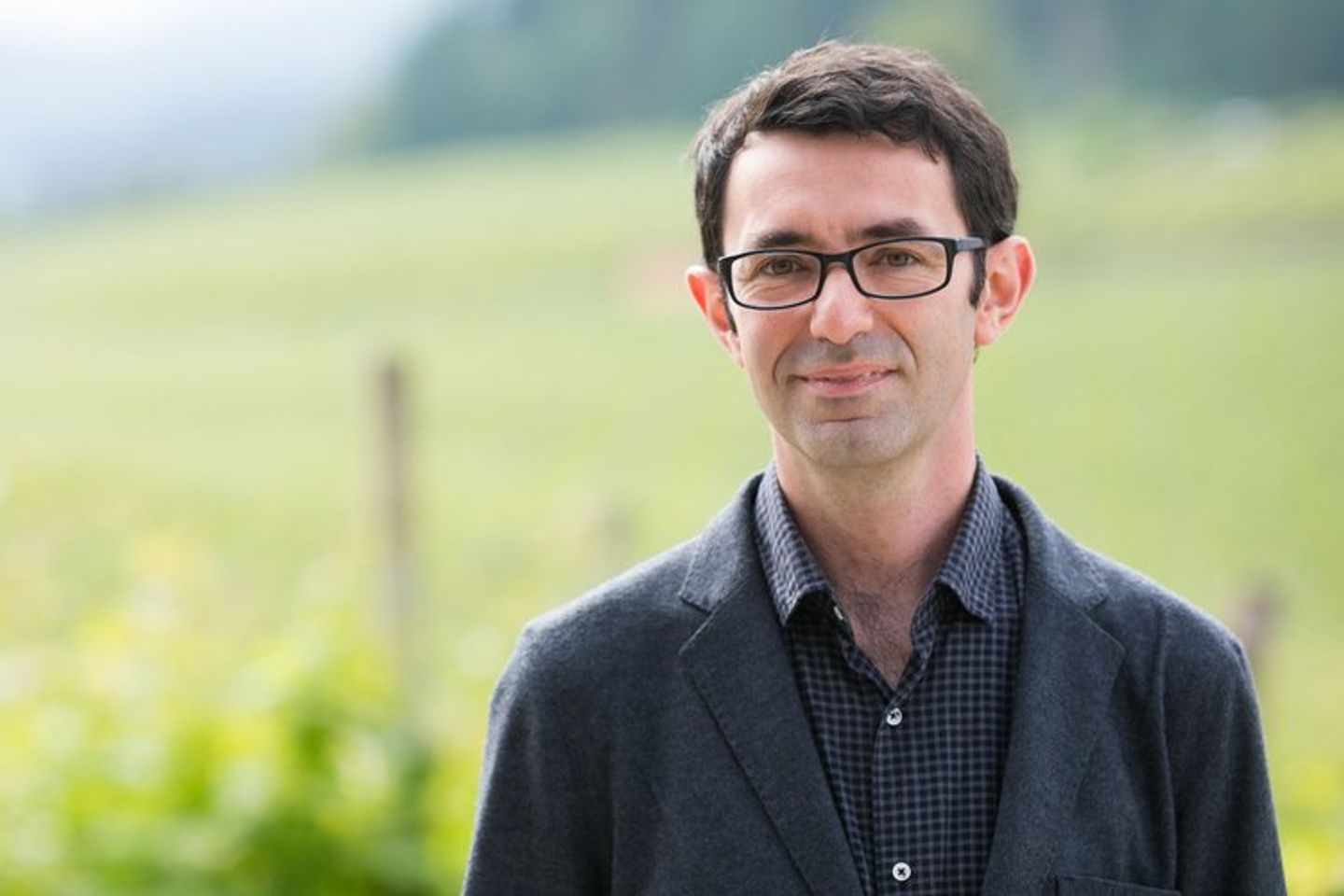
Michael Marder is IKERBASQUE Research Professor in the Department of Philosophy at the University of the Basque Country (UPV-EHU), Vitoria-Gasteiz, Spain. His writings span the fields of ecological theory, phenomenology, and political thought. He is the author of numerous scientific articles and monographs, including Plant-Thinking (2013); The Philosopher’s Plant (2014); Dust (2016), Energy Dreams (2017), Heidegger (2018), Political Categories (2019), Pyropolitics (2015, 2020); Dump Philosophy (2020); Hegel's Energy (2021); Green Mass (2021), Philosophy for Passengers (2022), The Phoenix Complex (2023), Time Is a Plant (2023), and, with Edward S. Casey, The Place of Plants (2023).
dr. masharu
Read more
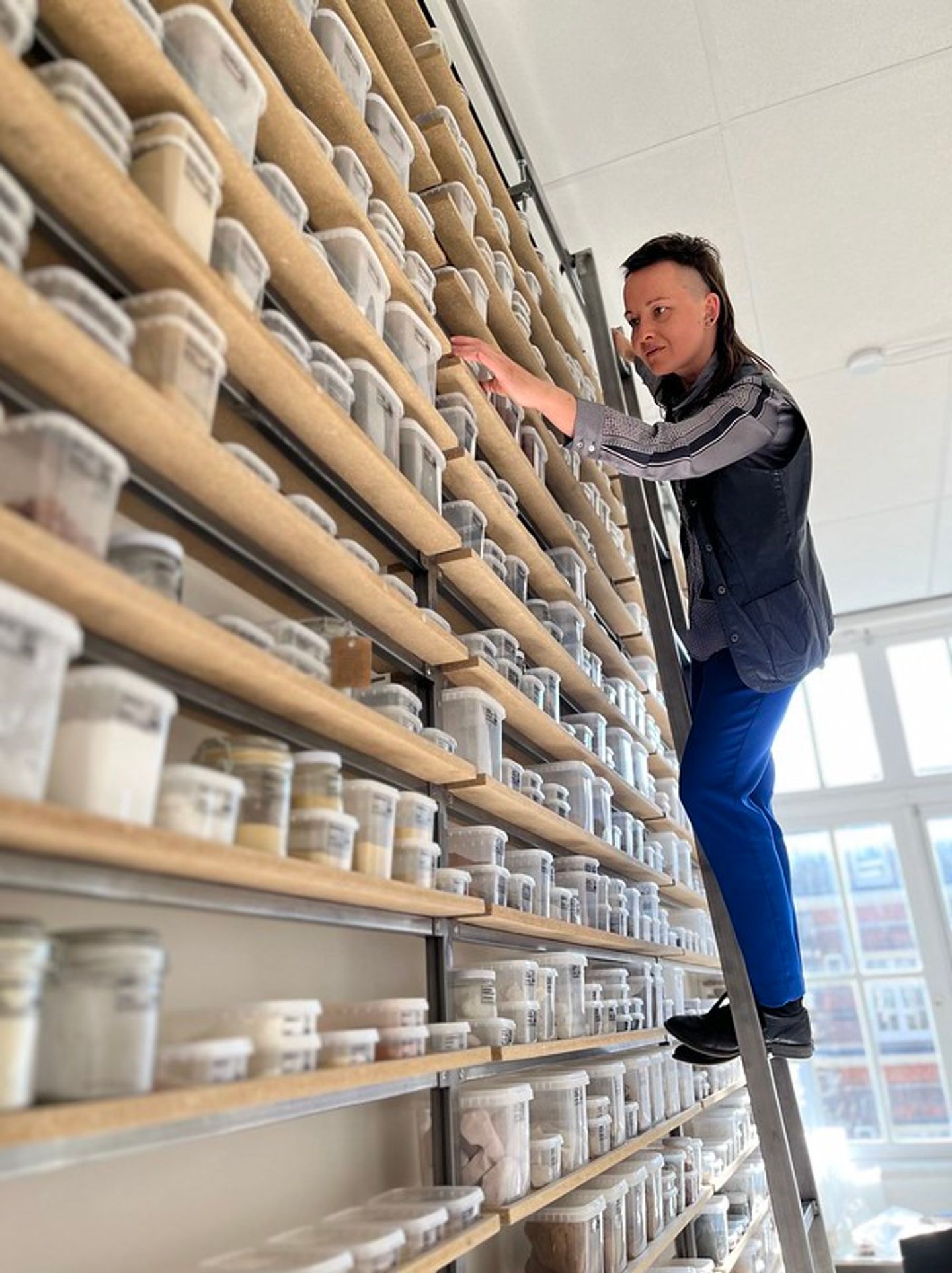
Founder Museum of Edible Earth
dr. masharu
Founder Museum of Edible Earth
masharu is an earth eater and an earth lover, a founder of the Museum of Edible Earth (http://www.museumofedible.earth/). masharu's projects combine scientific research with a personal approach and cultural practices. In 2011 they obtained a PhD in Mathematics and graduated with honours from the Photo Academy Amsterdam. In 2013-2014 they participated in the art-in-residency programme at Rijksakademie van Beeldende Kunst in Amsterdam. In 2018 masharu was an artist fellow at the Netherlands Institute for Advanced Study in the Humanities and Social Sciences (NIAS-KNAW). masharu's artistic as well as scientific work has been exhibited, screened and published in more than 30 countries, in such venues and events as Word Soil Museum in Wageningen, Ars Electronica Center in Linz, Modern Art Museum in Yerevan, African Artists’ Foundation in Lagos, Spanish Cultural Centre in Guatemala City, World Design Event in Eindhoven, ReadyTex Gallery in Paramaribo, 4th Jakarta Contemporary Ceramics Biennale in Jakarta, European Ceramic Workcentre in Oisterwijk, Sustainica in Dusseldorf and Museo Maritimo in Bilbao. masharu received several awards, such as Award of Distinction at Prix Ars Electronica (Austria) and YouFab Global Creative Awards (Japan). The work of masharu is supported by the Mondriaan Fund.
Nonhuman Nonsense
Read more
Art-Design Collective
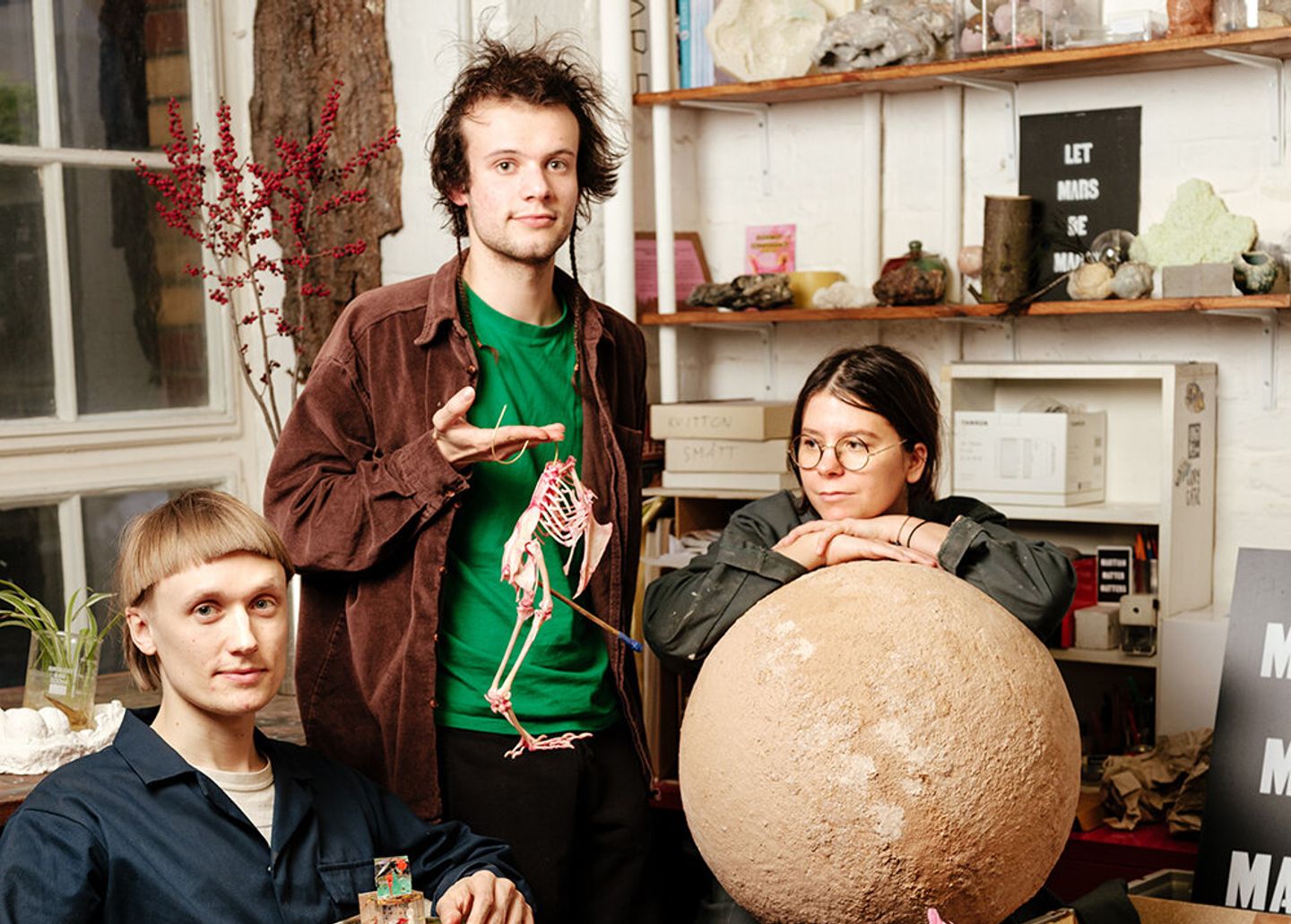
Nonhuman Nonsense
Art-Design Collective
Nonhuman Nonsense is a research-driven art and design collective working in the realm of social dreaming and world-making. Their projects engage with the nonhuman: animals, objects, ecology, technology, and the spectres between and beyond categories. They use nonsense as an antidote to “common sense” – embracing paradoxical stories to explore the ethical and metaphysical layers of our relationship with the (nonhuman) world. The collective creates contradictory scenarios & propositions in which they appropriate ideas from fields such as science, computing, law and mythology. Nonhuman Nonsense enjoys curiosity, cherishes compassion, and recognises that separating the human from the nonhuman is nonsense.
Sophie Strand
Read more
Writer
Sophie Strand
Writer
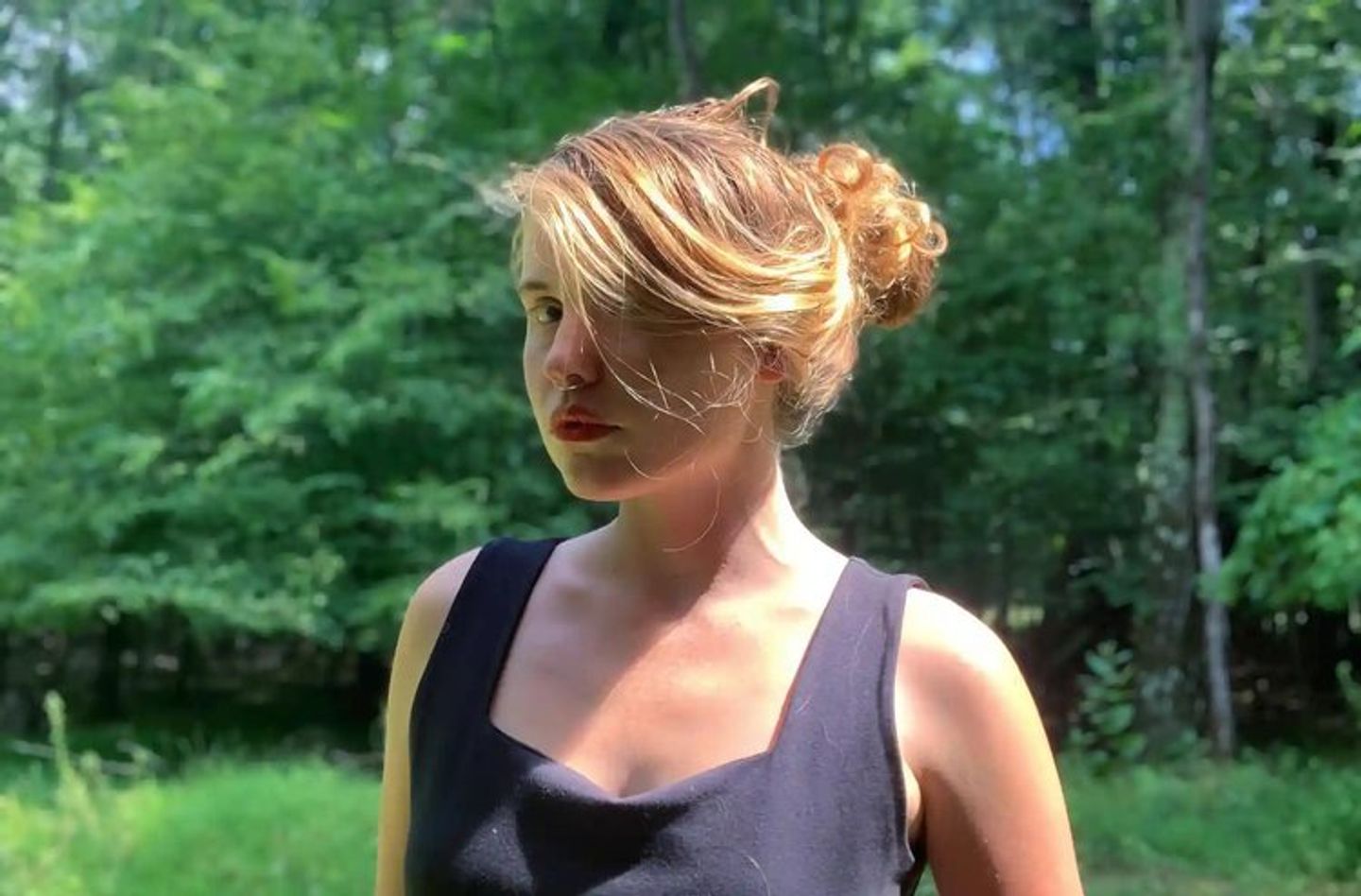
Sophie Strand is a writer based in the Hudson Valley who focuses on the intersection of spirituality, storytelling, and ecology. She is the author of The Flowering Wand: Rewilding the Sacred Masculine and The Madonna Secret. Her memoir The Body is a Doorway: A Journey Beyond Healing, Hope, and the Human is forthcoming from Running Press Spring 2025.
Grandeza Studio
Read more
Research cluster of Architects
Grandeza Studio
Research cluster of Architects
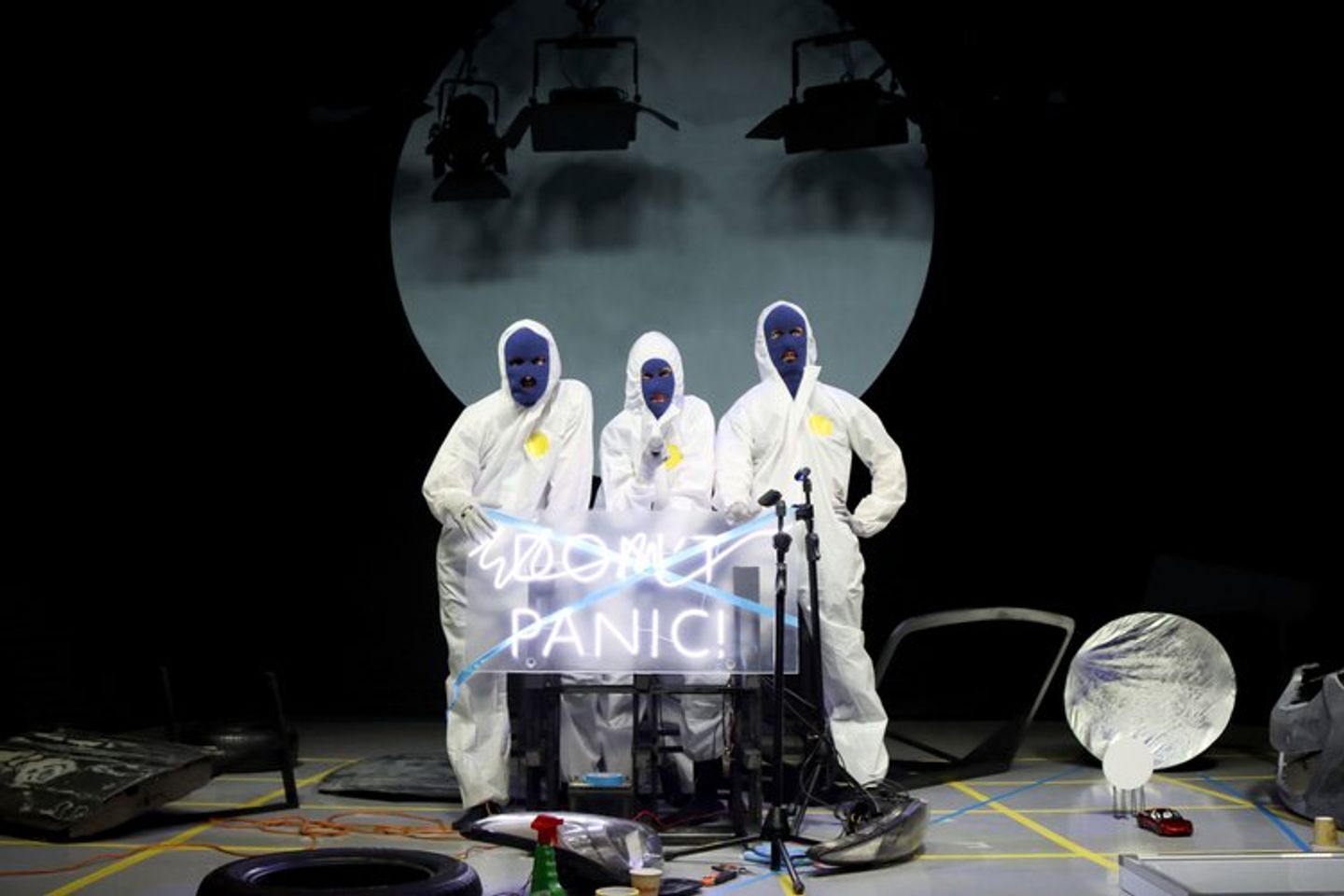
Based between Madrid and Sydney, GRANDEZA STUDIO
(Amaia Sanchez-Velasco, Jorge Valiente Oriol and Gonzalo Valiente Oriol) is a collective of architects and artists founded in Madrid in 2011. Their work studies late-capitalist spaces and narratives to identify – through critical analysis – and challenge – through political imagination – the mechanisms that veil and normalize structural forms of violence.
GRANDEZA STUDIO´s work hybridizes methodologies that entangle with research, critical spatial practice, writing, performance, design, filmmaking and pedagogy.
Parama Roy
Read more
Academic Researcher
Parama Roy
Academic Researcher
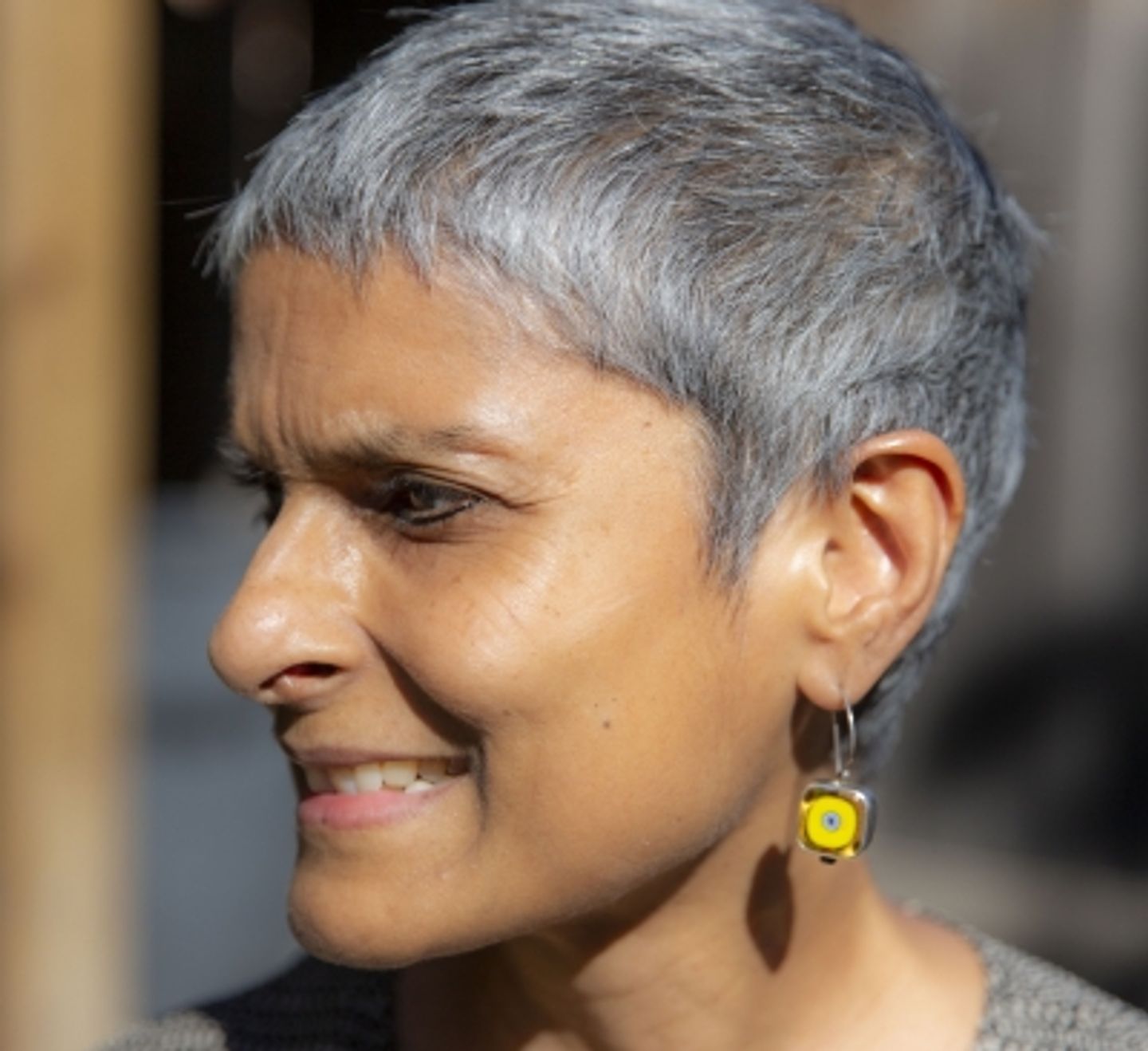
Parama Roy is a Professor of English at the University of California, Davis. Her research focuses on issues related to postcolonial theory and literatures; Victorian studies; appetite, consumption and taste/food studies; and animal studies. She is the author of three books, including, Alimentary Tracts: Appetites, Aversions and the Postcolonial (Duke, 2010), States of Trauma: Gender and Violence in South Asia (Zubaan, 2009), and Indian Traffic: Identities in Question in Colonial and Postcolonial India (University of California, 1998).
Asunción Molinos Gordo
Read more
Artist
Asunción Molinos Gordo
Artist
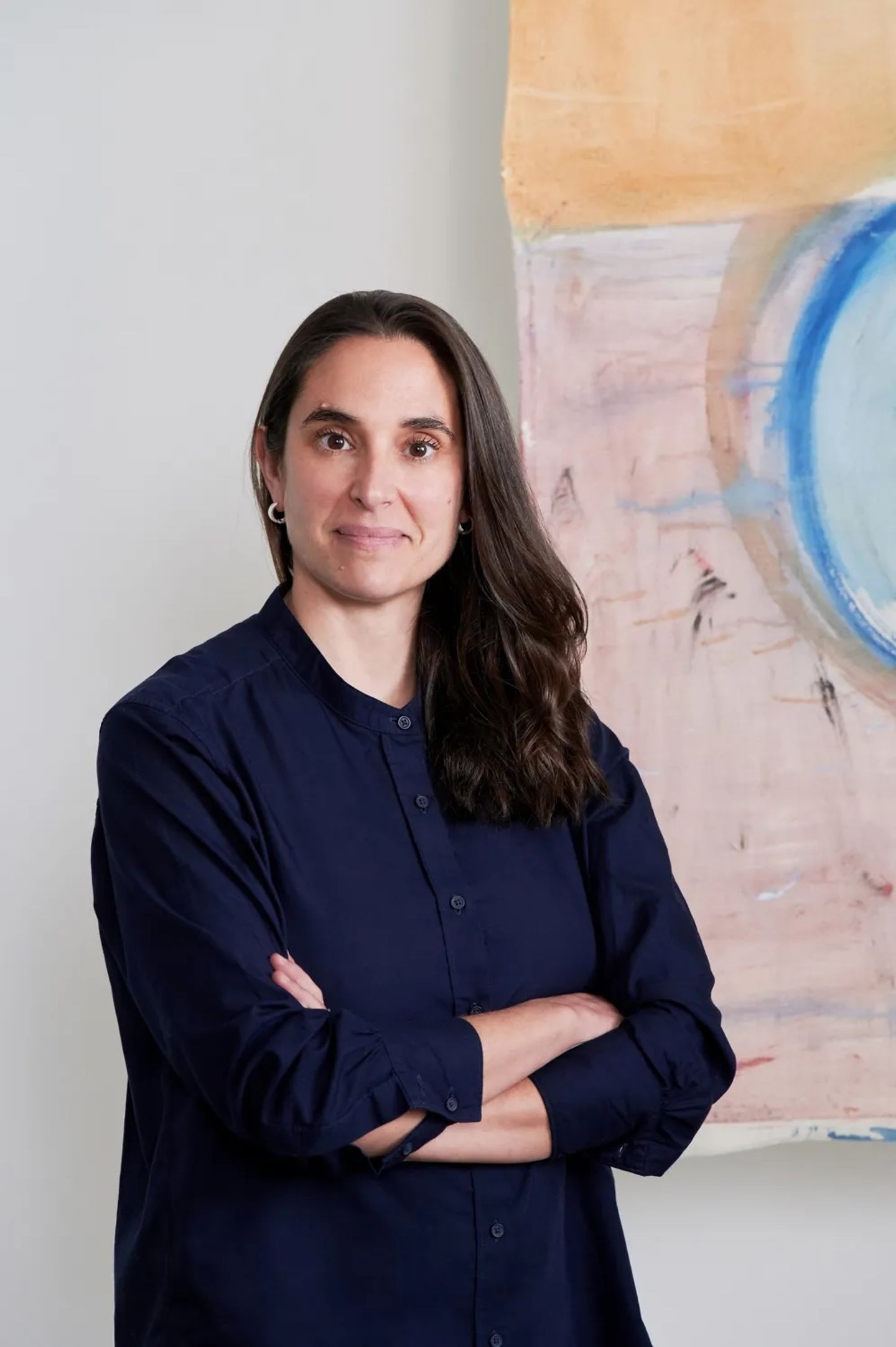
Asunción Molinos Gordo is a research-based artist strongly influenced by disciplines such as anthropology, sociology and cultural studies. In her practice she questions the categories that define “innovation” in mainstream discourses today, working to generate a less urban-centric way of understanding progress.
The main focus of her work is contemporary peasantry. Her understating of the figure of the small or medium farmer is not merely as food producer but as cultural agent, responsible for both perpetuating traditional knowledge and for generating new expertise. She employs installation, photography, video, sound and other media to examine the rural realm driven by a strong desire to understand the value and complexity of its cultural production, as well as the burdens that keep it invisible and marginalized.
She has produced work reflecting on land usage, nomad architecture, farmers’ strikes, bureaucracy on territory, transformation of rural labour, biotechnology and global food trade.
Molinos Gordo won the Sharjah Biennial Prize 2015 with her project WAM (World Agriculture Museum) and represented Spain Official Section at the 13th Havana Biennial 2019. Her work has been exhibited at venues including V&A Museum (London), Delfina Foundation (London), ARNOLFINI (Bristol), Jameel Arts Center (Dubai), The Townhouse Gallery (Cairo), Darat Al Funun (Amman), Tranzit (Prague), ART BASEL Miami Beach (US), Cappadox Festival (Uchisar-Turkey), The Finnish Museum of Photography (Helsinki), Museo Carrillo Gil (Mexico), MAZ Museo de Arte de Zapopan (Mexico), MUSAC (León, Spain), CA2M (Madrid, Spain), CAB de Burgos (Spain), Matadero (Madrid, Spain) and La Casa Encendida (Madrid, Spain), among others.
She obtained her B.F.A. from the Universidad Complutense de Madrid, where she also pursued her Master in Contemporary Art Theory and Practice. She is currently studying Anthropology and Ethnography at UNED (Spain).
Molinos Gordo is represented by Travesia Cuatro gallery in Spain and Mexico.
Darren Le Baron
Read more
Etnomycology and Psychedelic Studies
Darren Le Baron
Etnomycology and Psychedelic Studies
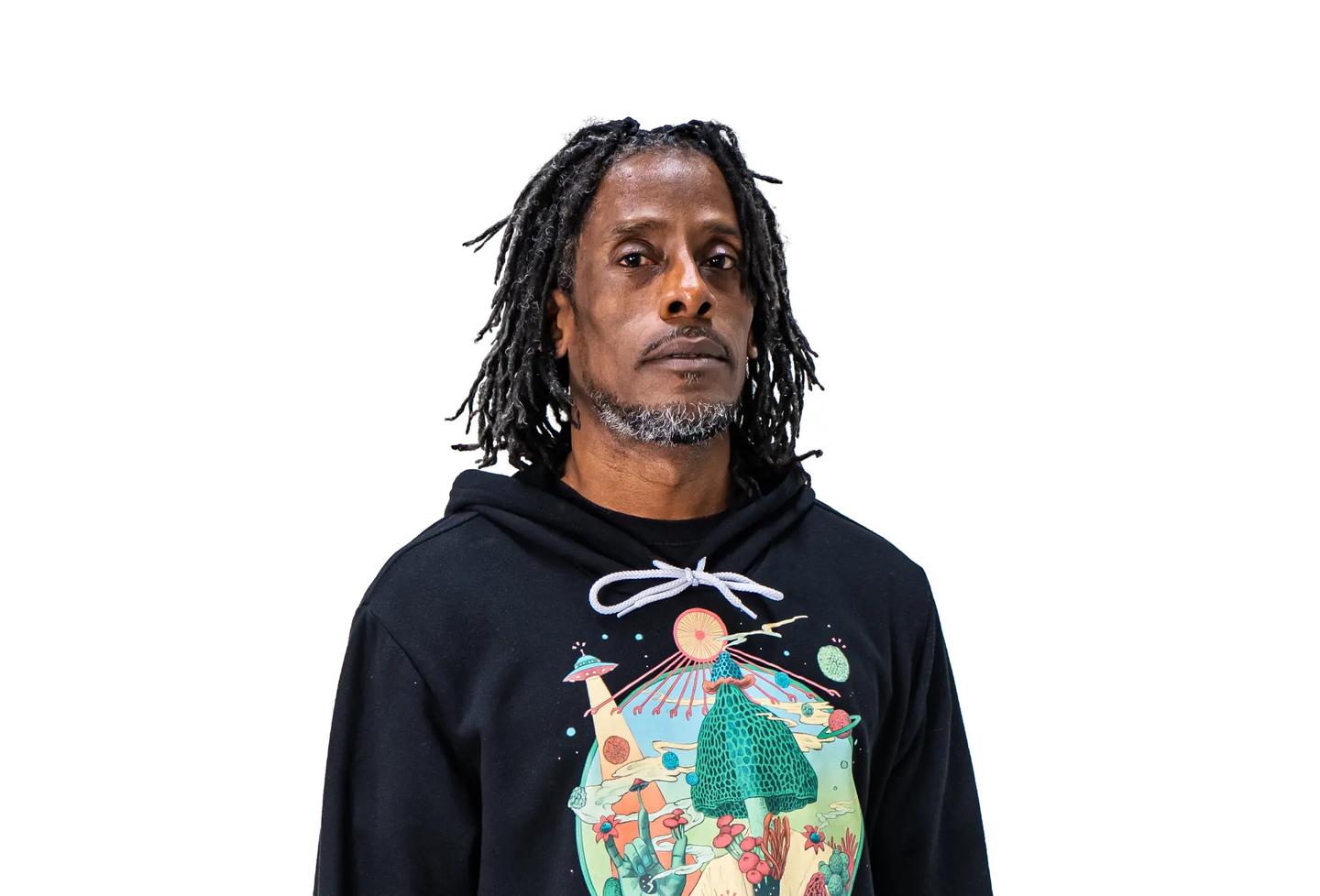
Darren Le Baron is a world renowned educator in Ethnomycology and Psychedelic studies. Based in the UK and the Caribbean he is also a grassroots community activist and influencer. With a background in Creative Arts, Organic Horticulture and Permaculture, he is the creator of the Shroomshop, a Mushroom Cultivation initiative that engages local communities, schools and business enterprises alike.
Rowan Deer
Read more
Writer and Editor
Rowan Deer
Writer and Editor
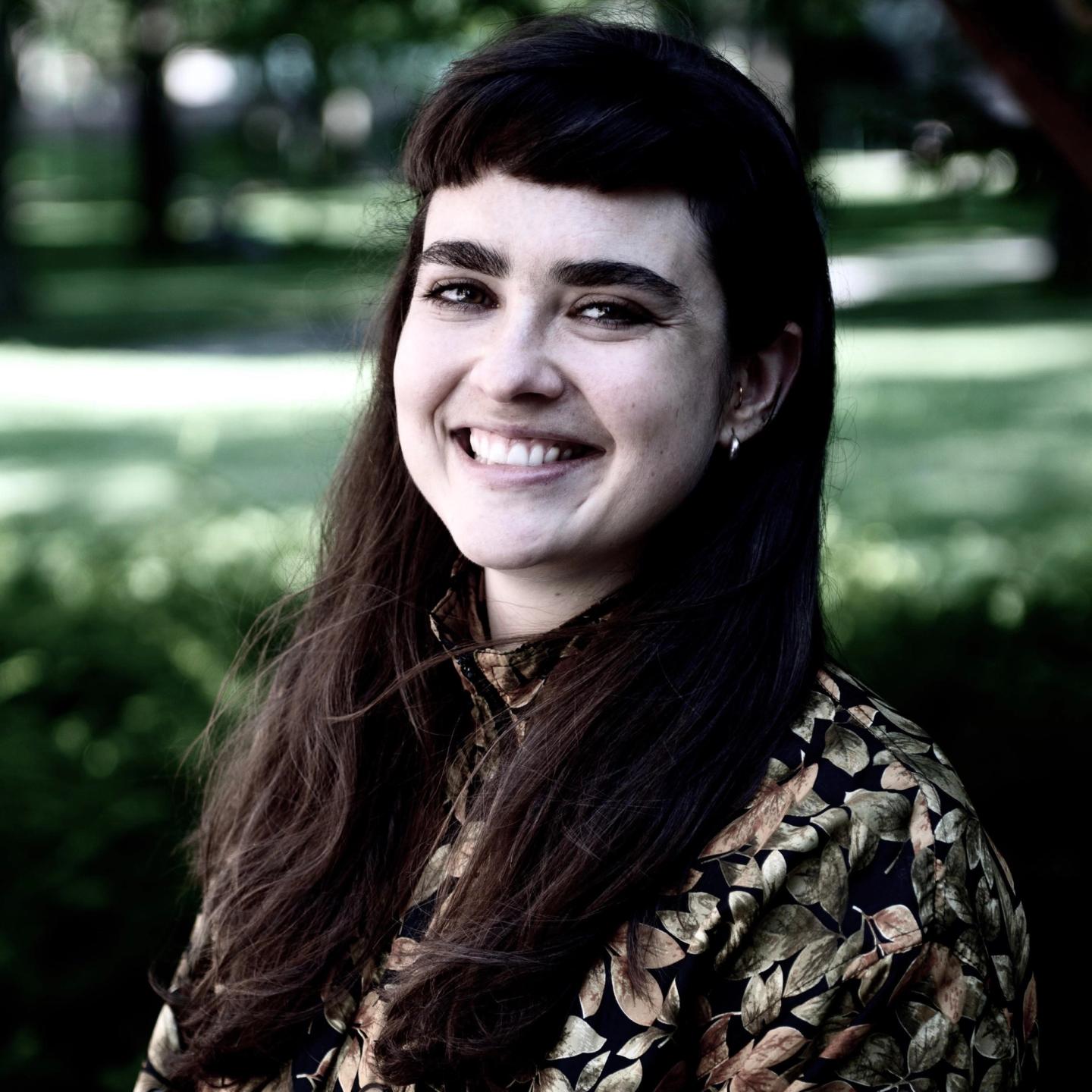
Rowan Deer is a writer and editor based in Berlin. Her academic monograph, Radical Animism: Reading for the End of the World, is published by Bloomsbury and her writing can also be found in Orion Magazine, The New Statesman, and The Canary.
Salma Serry
Read more
Host, Lecturer, Curator
Salma Serry
Host, Lecturer, Curator
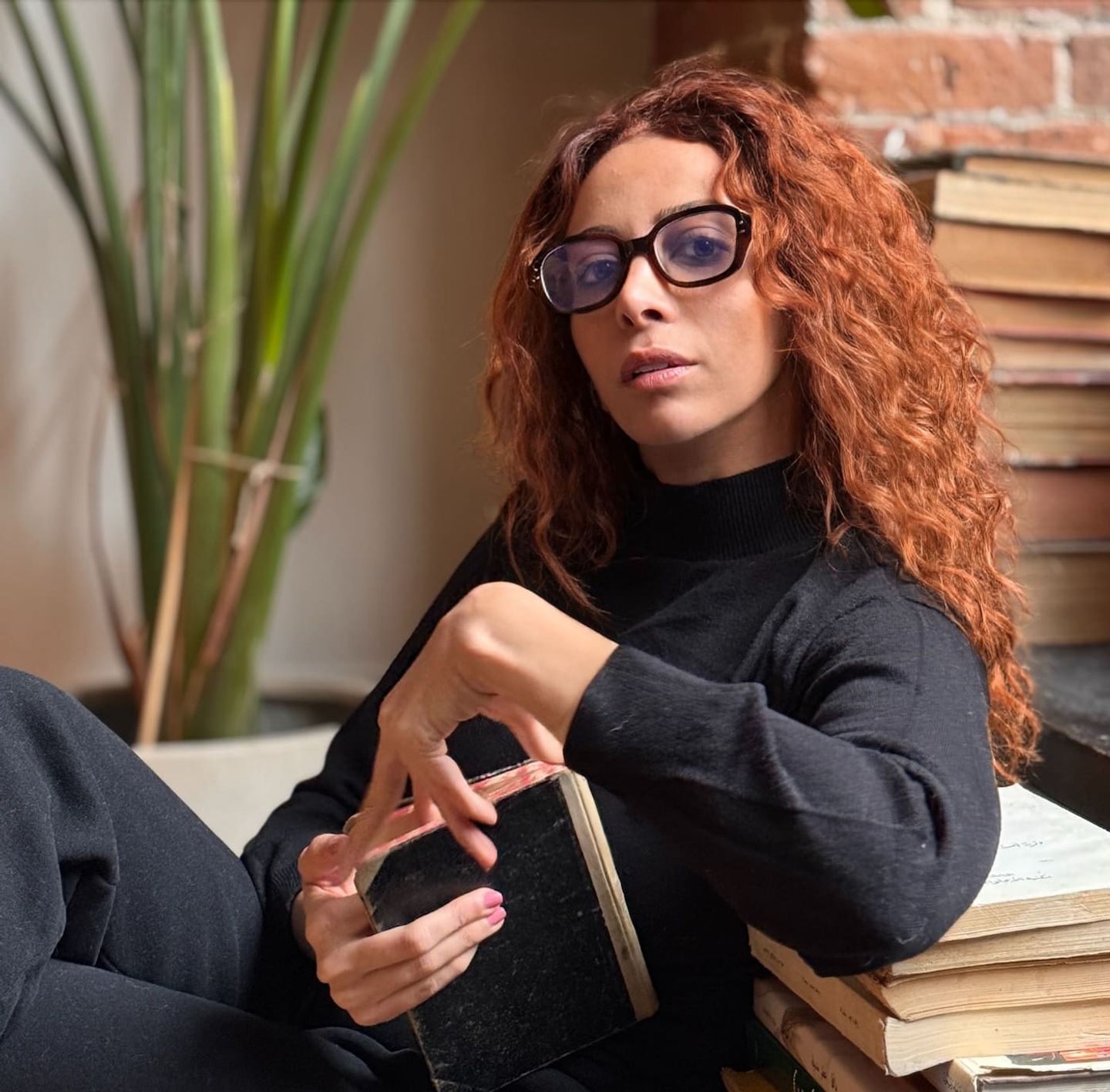
Salma Serry is a doctoral researcher and cultural worker specialized in the history of food in West Asia and Egypt. She is also the curator of Sufra Archive , a digital archive project and social media platform dedicated to West Asian and North African food history and culture. She is working on a PhD in History in the University of Toronto with a specialization in Food Studies at the Culinaria Research Center. Her projects revolve broadly around reconfigurations of power on the scales of imperial structure as well as everyday life, through food politics, mobility networks, and technology in the region. Her PhD project was recently awarded the distinguished SSHRC Doctoral Award from the Social Sciences and Humanities Research Council in Canada, while her art projects have received the Research on the Arts grant from the Arab Fund for Arts and Culture (AFAC) and the Arab Council for Social Sciences (ACSS). Her research and public programming projects have been exhibited at Art Jameel (Dubai), Hayy Jameel (Jeddah), the Arab Council for Social Sciences (Beirut), the Islamic Biennial (Jeddah), and Cairo Design Week.
TestTafel
Read more
Plant-based Restaurant
TestTafel
Plant-based Restaurant
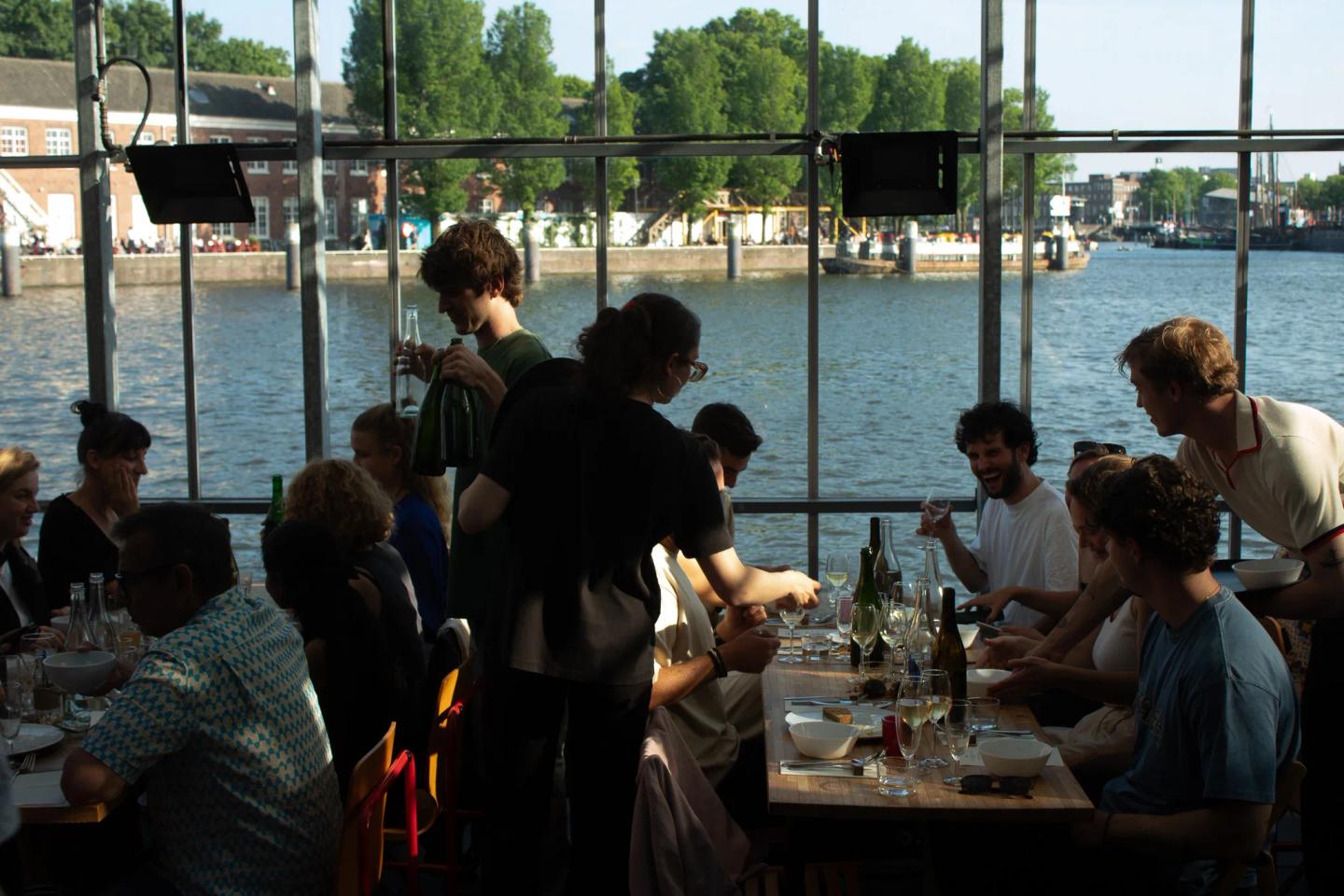
De Sering was created in 2019 with the mission that it is critical in the current social landscape, for activism, and for the political left as a whole to rebuild communities. De Sering was founded on the belief that strong communities are essential for activism—and for the political left as a whole. We live in a time of unprecedented isolation and loneliness, and we don’t see this as a coincidence.
As social connections weaken, so does the strength of activist and leftist movements. Rebuilding community isn’t just important—it’s critical for change. Since 2019, De Sering has been a community-driven space where food, culture, and activism intersect, offering 300 donation-based meals daily to ensure food remains accessible to all.
At the heart of De Sering is the Community Kitchen, fostering connection through affordable, plant-based meals. In the evenings, we host events, workshops, and cultural programming, creating a lively, inclusive atmosphere.
Lelani Lewis
Read more
Culinary activist, Food stylist, Cook
Lelani Lewis
Culinary activist, Food stylist, Cook
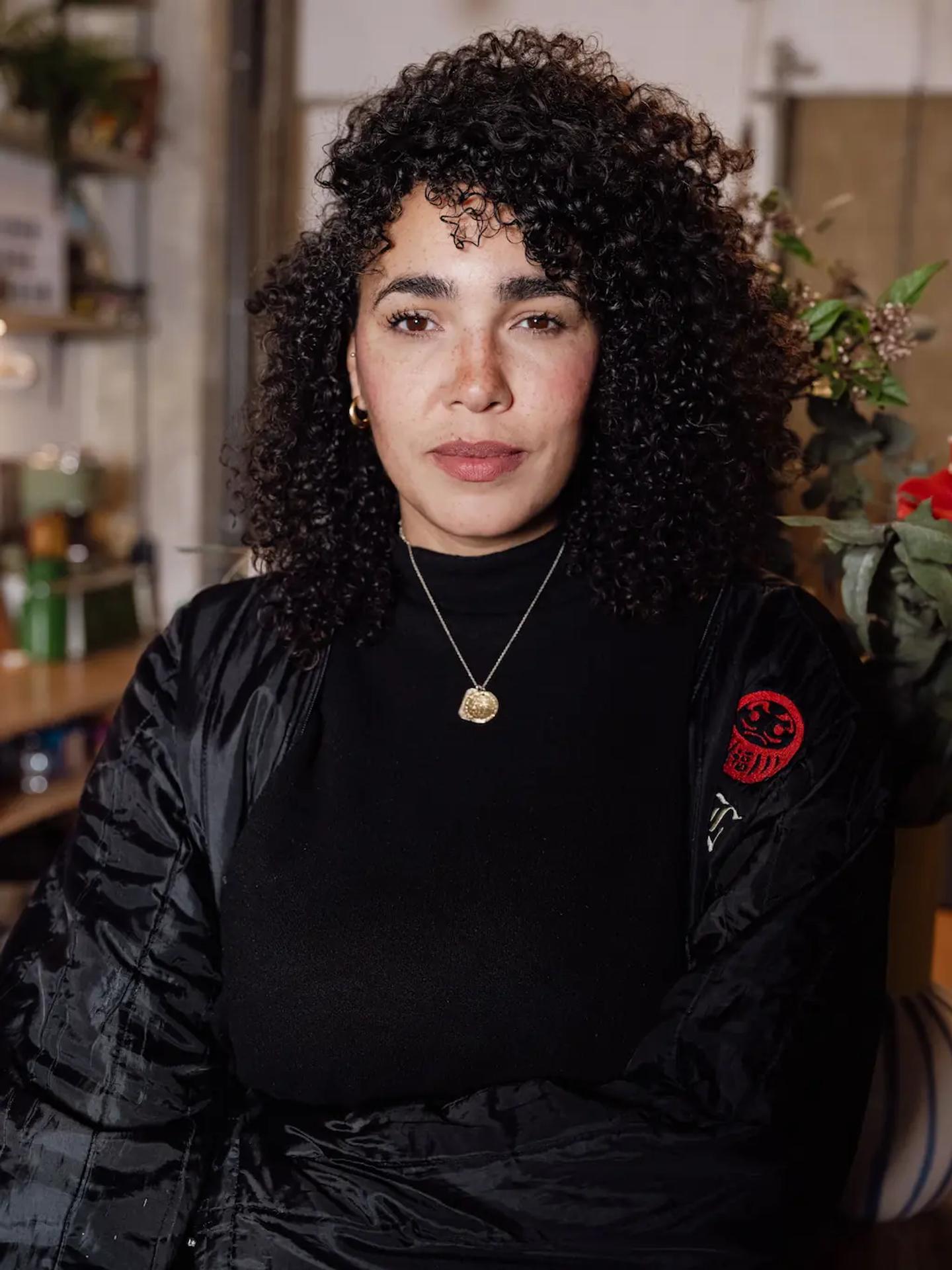
Lelani Lewis creates inspiring experiences with her innovative and vibrant approach to food. Hailing from South London with Grenadian and Irish heritage, Lelani grew up amongst the diversity of cuisine; learning the ins and outs of global flavours from a young age with favourites such as bara and sweet potato pie.
Becoming obsessed with developing a mainstream platform for Caribbean food, Lelani wanted to demonstrate just how unique and diverse Caribbean cuisine is, combining her love of bringing people together around the table and paying homage to those who came before her.
The rich histories of the islands provide a deep well of inspiration for Lelani to further explore the cultural impact of food, and how the world’s ingredients unravel beautiful –and tragic– stories.”
ruangrupa
Read more
Art Collective
ruangrupa
Art Collective
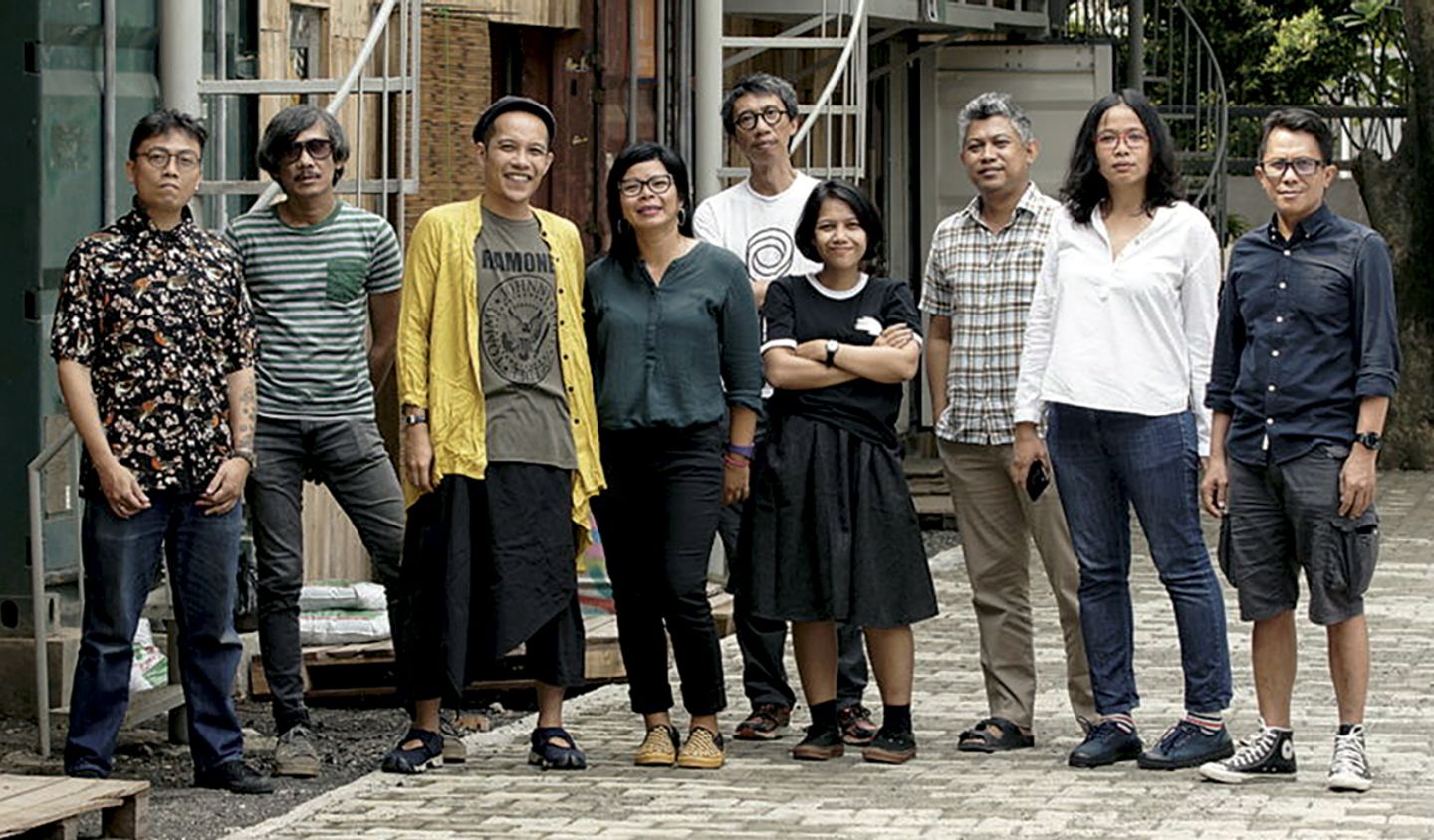
ruangrupa (abbreviated as ruru) is a contemporary art collective based in Jakarta, Indonesia. Founded in 2000 by a group of seven artists, ruangrupa provided a platform in South Jakarta for organising exhibitions, events, and festivals, also conducting publishing services, workshops, and research.
ruangrupa functions as a non-profit organisation that supports contemporary art within the urban and cultural contexts of Indonesia and beyond, often involving artists and practitioners from other disciplines such as the social sciences, politics, and technology. The collective also supports the development of video art through research, documentation, and their biennial video art festival, OK Video, first held in July 2003.
As a collective, they co-directed documenta fifteen , which took place 2022 in Kassel, Germany; notably the first Asian group and the first art collective to curate the large-scale international exhibition.
While the collective has no fixed number of members, ten of the group's core members engaged in the directorship role, including director Ade Darmawan, Ajeng Nurul Aini, Daniella Fitria Praptono, Farid Rakun, Indra Ameng, Iswanto Hartono, Julia Sarisetiati, Mirwan Andan, Narpati Awangga, and Reza Afisina.
In 2022, ruangrupa topped the ArtReview Power 100 list for their defense of artistic freedom amidst the controversies of documenta fifteen, as well as their influential mode of nonhierarchical working that continues to inspire ongoing collaborations across the art world.
Melanie Bonajo
Read more
Artist, Somatic sex coach, Activist
Melanie Bonajo
Artist, Somatic sex coach, Activist
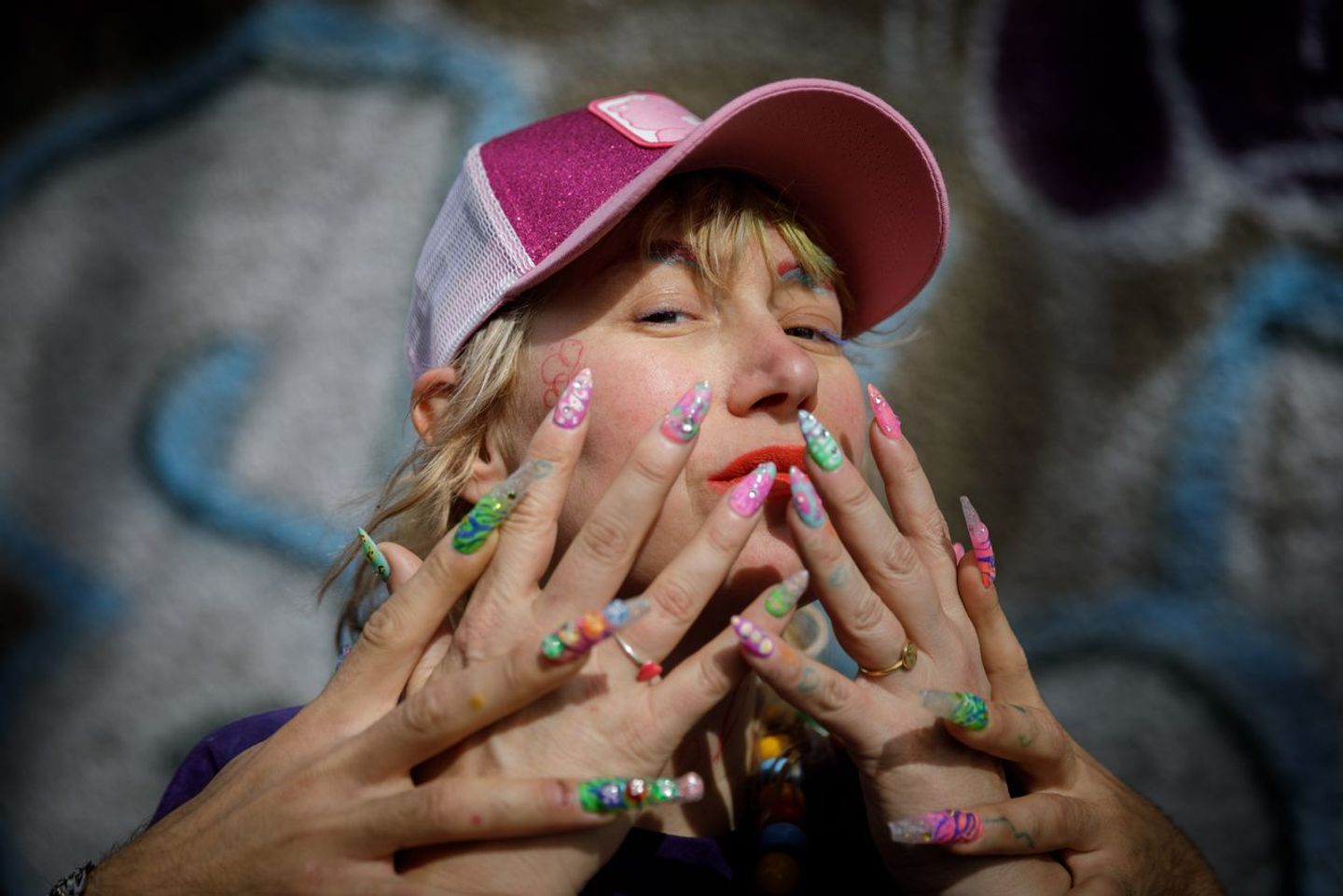
melanie bonajo (they/them/theirs) is an artist, filmmaker, sexological bodyworker, somatic sex coach and educator, cuddle workshop facilitator and activist. Through their videos, performances, photographs and installations, they examine current conundrums of co-existence in a crippling capitalist system, and address themes of eroding intimacy and isolation in an increasingly sterile, technological world. They research how technological advances and commodity-based pleasures increase feelings of alienation, removing an individual’s sense of belonging. Their works present anticapitalist methods to reconnect and to explore sexualities, intimacies and feelings. bonajo’s experimental documentaries often feature communities living or working on the margins of society, either through illegal means or cultural exclusion, and the paradoxes inherent to ideas of comfort with a strong sense for community, equality and body-politics. They initiated the collective Skinship- A touch based place for Kinship-, an all bodies inclusive queer space to learn somatically about touch and intimacy.
melanie bonajo represented The Netherlands at the 59th Venice Biennale in 2022 with ‘When the body says Yes’. bonajo has been working with a curatorial team consisting of Orlando Maaike Gouwenberg, Geir Haraldseth and Soraya Pol. The scenography for their immersive installation ‘When the body says Yes’ is created in collaboration with Théo Demans.
Meet our guest tutors
Sean Roy Parker
Read more
Artist, Writer and Landworker
Sean Roy Parker
Artist, Writer and Landworker
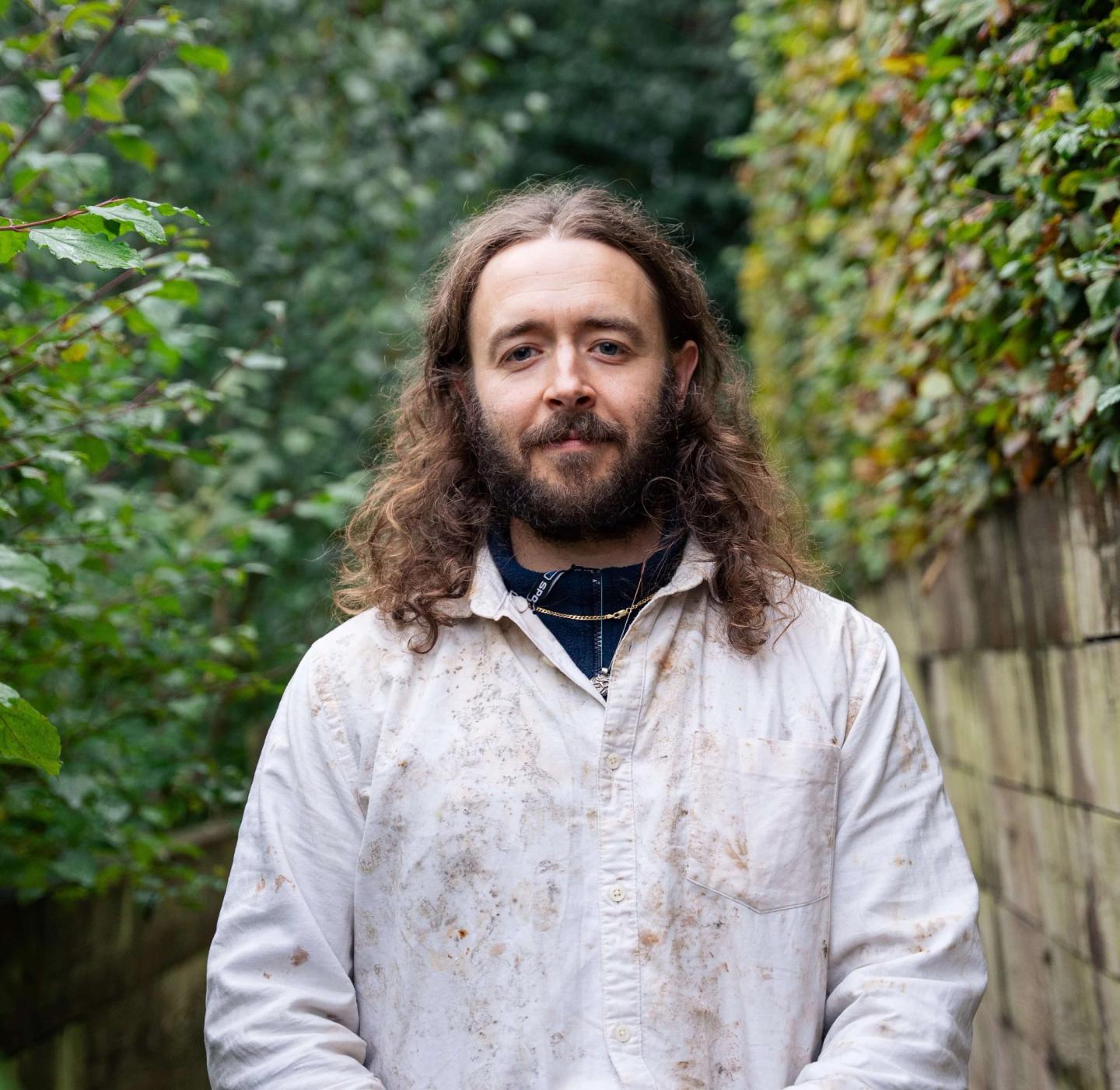
Sean Roy Parker is a visual artist, environmental educator and fermenting enthusiast living in East Midlands, UK. Until recently, Roy was living and working from The Field, an artist-run housing project set in a former Steiner School in Derbyshire, where he was finding harmony in self-organised community and researching food as cultural infrastructure for artistic production. For five years he has worked under Fermental Health, an open-ended self-initiated practice about food sovereignty and emotional well-being in late capitalism. He gives workshops on home fermentation, runs an allotment project with primary school children and makes exhibitions about digesting complex relationships with (beyond)humans.
Photo by: Will Hearle / Omved Gardens
Kaajal Modi
Read more
Artist and Researcher
Kaajal Modi
Artist and Researcher
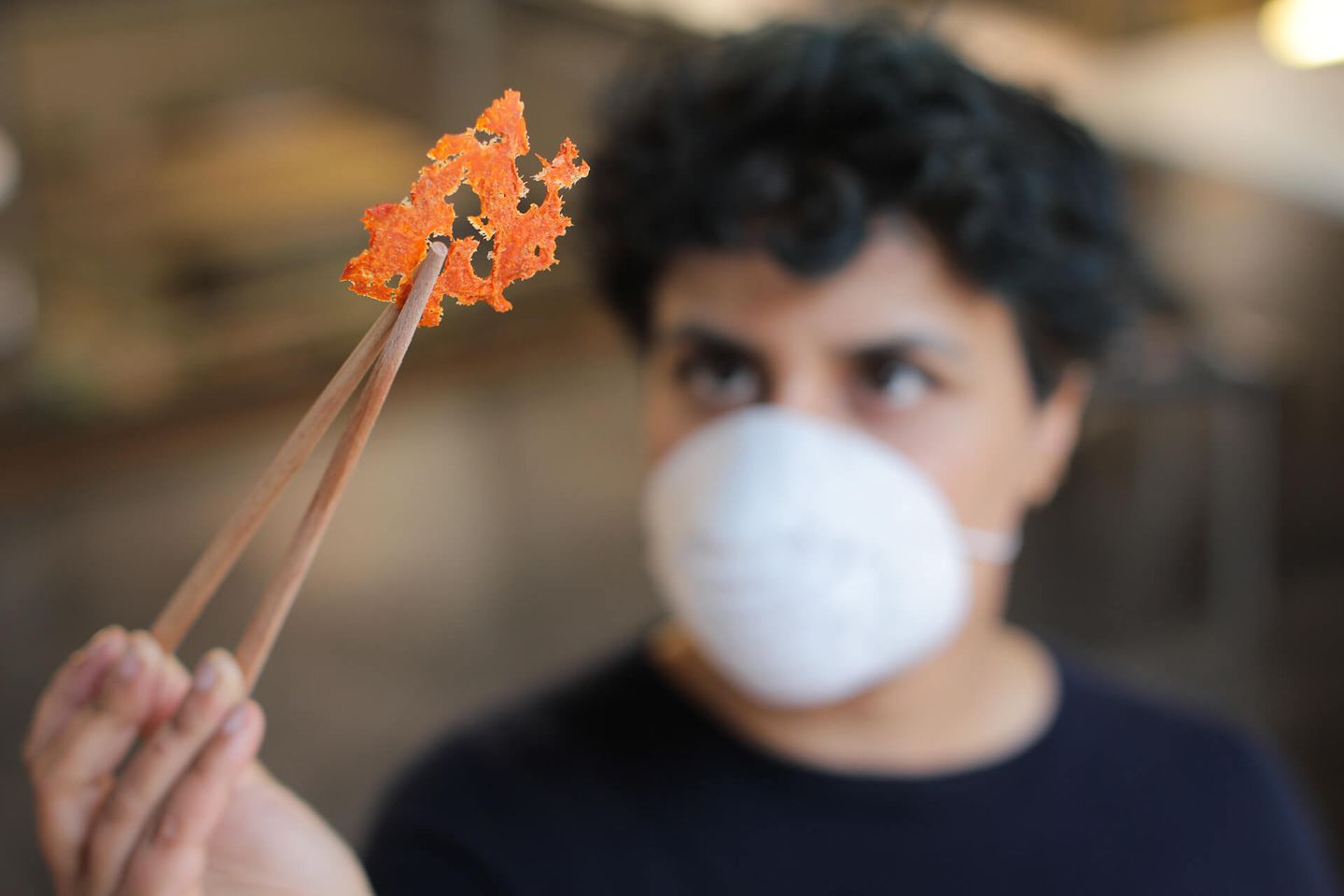
Dr Kaajal Modi (she/they) is a multidisciplinary artist and researcher in anthropocene heritage, working through creative practices to explore how making in collaboration with diverse communities (human, microbial and ecological) opens up novel speculations on how we create mutually-resilient climate futures. Their practice is rooted in co-creation, and incorporates fermenting, cooking, image making, live art, sound and creative interactions to enact lively and situated encounters between people, organisms and ecosystems in ways that invite critical reflection and action.
Rain Wu
Read more
Artist and Architect
Rain Wu
Artist and Architect
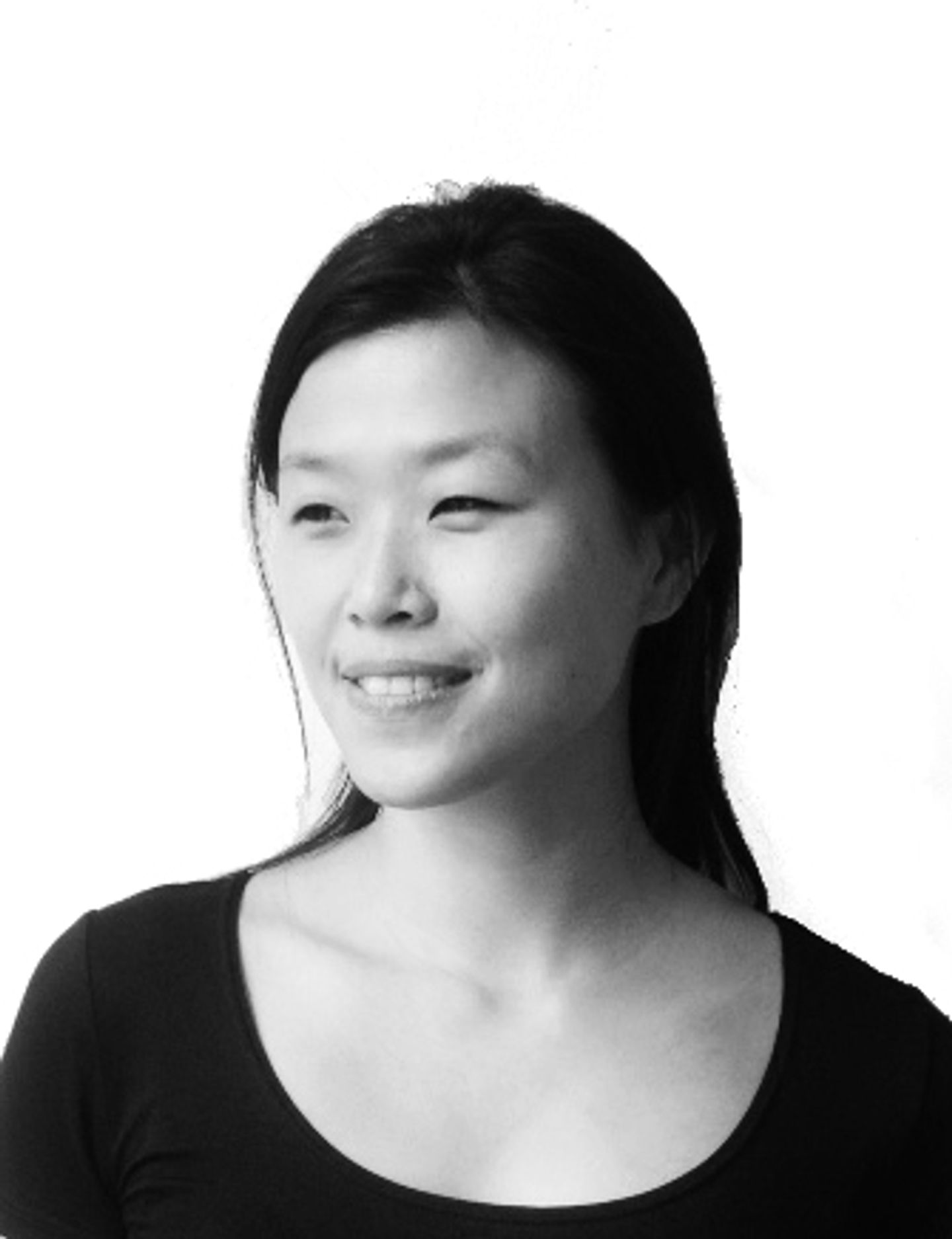
Rain Wu is a Taiwanese artist and architect based in London. Her work is conceptually-driven and materialises in different forms and scales from drawings, sculptures, food performances, essay films to installations.
She works with the temporality of perishable materials to instigate discussions around our manifold relationships with nature. Following the geographic, political, cosmological and microbial traces of living materials, her work investigates the interconnection between the consumption of food,
digestion of cultures, charting of lands and recalling the myths.
She graduated from the Royal College of Art and The Bartlett School of Architecture, UCL. Her artwork has been exhibited in Sharjah Biennial, Taipei Biennial, The Palestinian Museum, London Design Biennale, Istanbul Design Biennial, Lisbon Architecture Triennale, The Shape of the Circle in the Dream of the Fish; she was one of the Designers in Residence at the Design Museum
(London) in 2016, an artist in residence at Jan van Eyck Academie (NL) 2018-9, and she is currently a lecturer at University of the Arts London and Goldsmiths University.
Photo by: Su Yu Hsin
Course Content
Term 1. Unexpected Edible Partnerships
In this term, we will engage with overlooked and fascinating agencies in our food systems: microbes, plants, fungi, and other non-human entities. Through a multispecies lens, lectures and conversations interrogate how these organisms shape culinary and cultural practices, as well as how they can inspire new experimental approaches to art-making and radical thinking. Exploring mycelial networks and plant intelligence, we will study the creative potential of companion species and entangled ecologies.
Term 2. Brewing Gender Politics
This term delves into the intersections of gender, food, and magical thinking, drawing on feminist theory and critiques of patriarchal systems. From studying witchcraft, rewilding masculinity and magic as metaphysical rewiring, we will explore cooking as a site of gendered labour, power, and ritual. Feminist theories and magical practices become a subversive binomial, a framework challenging normative binaries and reclaiming culinary spaces as stages of empowerment, queering and political transformation.
Term 3. Food is the Future;
the Future is a Monster
As the ecological crisis is also one of imagination, we will research the profound issues of industrial animal farming while speculative design projects draft alternative futures for us. Over this term, food will guide us in exploring the boundaries of ethics, scale and imagination. As we investigate animal rights discourse, genetic engineering, and the ecological impact of large-scale farming, we follow designers, artists and researchers on unpaved roads into speculative futures.
Term 4. Deconstructing Institutional Appetites
This term focuses on the mechanisms by which institutions mould food politics and art practices into normative traditions and canons, while also offering some examples of resistance strategies. We examine the influence of specific food and art institutions and networks, and discuss the potential and limitations of artist-run restaurants at the border of institutional frameworks. As we explore key concepts like readymades, participation, and institutional critique, food emerges as a lens through which we can understand positionality and political engagement in contemporary contexts.
Term 5. Bittersweet Cartographies
Colonial histories are deeply intertwined with food systems, as culinary practices and crops have shaped colonial exploitation. This second term maps the cultural and political geographies of colonialism through the lens of food, exploring how artists and activists engage with the legacies of imperialism and the struggle for food sovereignty. Through ingredients like sugar, rice, potatoes, chocolate and bananas, we will engage with a broad history of agriculture and the current “plantationocene”.
Term 6. Stories of Entangled Foodscapes
We end the first year on food and site specificity, focusing on cultural heritage and ecosystemic contexts. As we study artists and architects addressing the politics of land management, agroecology, and community engagement, we will explore artistic and quantitative methodologies to dive into specific foodscapes. From the analysis of Agnes Denes' Wheatfield: A Confrontation to Cooking Sections' Climavore projects, we interrogate the intricacies of dynamics like rurality and city, human and more-than-human interdependencies, while reflecting on sustainability as a multilayered subject.
Calendar
01 Feb Full and online altMA applications open
29 Mar Full altMA applications close
30 Mar Online scholarships applications open
30 Apr Online scholarships applications close
April - May Full altMA places offered - enrolment
1 Jul Pre-entry materials sent
18 Sep - 27 Sep First residency
27 Sep Online access sign-up deadline
28 Sep Online altMA begins!
(Remaining residency dates tbc)
Term 1
Unexpected Edible Partnerships
18 Sep - 01 Dec 2025 Online course starts 28 Sep!
Residency #1: 18 Sep - 27 Sep 2026 Confirmed
Winter Break: 07 Dec 2025 - 8 Jan 2026
Term 2
Brewing Gender Politics
11 Jan - 8 Mar 2027
Residency #2: 15 Jan - 25 Jan 2027 Confirmed
Spring Break: 15 Mar - 02 Apr 2027
Term 3
Food is the Future; the Future is a Monster
05 Apr - 12 Jun 2027
Residency #3: 14th May - 23rd May
Summer Break: 13 Jun - 26 Sep 2027
Term 4
Deconstructing Institutional Appetites
27 Sep - 6 Dec 2027
Residency #4: 1 Oct - 10 Oct 2027 (tbc)
Winter Break: 07 Dec 2027 - 10 Jan 2028
Term 5
Bittersweet Cartographies
17 Jan - 20 Mar 2028
No residency
Spring Break: 10 Apr - 21 Apr 2028
Term 6
Stories of Entangled Foodscapes
27 Mar - 22 May 2028
Residency #05: 26 May - 04 Jun 2028 (tbc)
Final show
Residencies
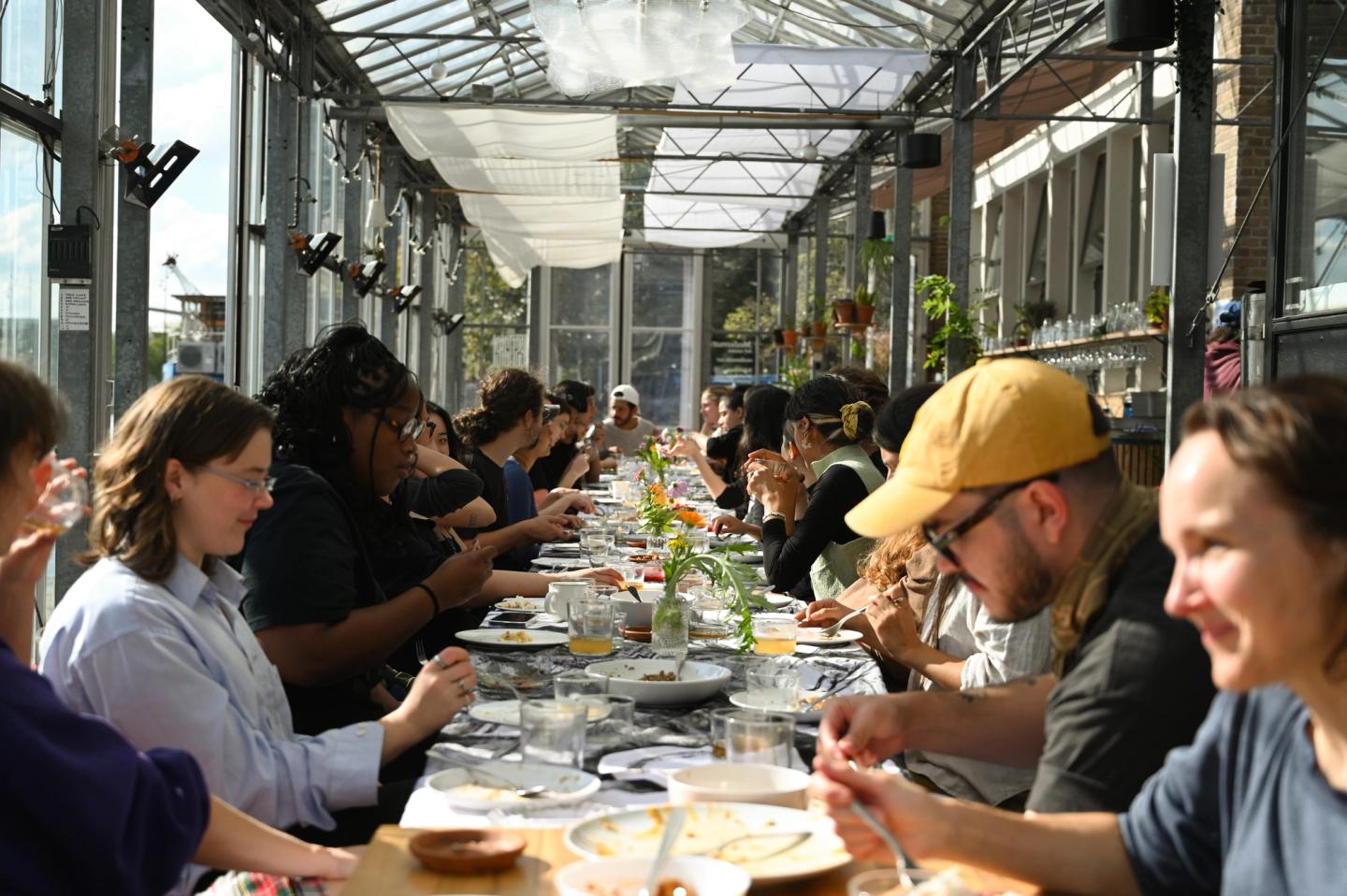
Residency #1 - Term 1. Amsterdam, The Netherlands. In collaboration with Mediamatic.
Mediamatic is an art centre dedicated to new developments in the arts since 1983. They organise lectures, workshops and art projects, focusing on nature, biotechnology and art+science in a strong international network. Mediamatic is interested in how art, design and science merge and how that can be used to experiment with new (living) materials. They challenge the senses and tackle perceptions regarding food, waste and unconventional materials such as urine, bacteria and fungi.
Residency #2 - Term 2. Mexico City. Mexico. In collaboration colectivo amasijo.
colectivo amasijo emerges from the act of collective cooking to care for both the land and relationships. It seeks to make visible the interdependence between language, culture, and territory as a daily practice, aiming to understand food as a web of interrelations. Their research focuses on recognising diversity and, through it, rethinking the culture of scarcity. The collective listens to non-dominant narratives - those of people closely tied to the land - to measure the true cost of climate change and build pathways toward the regeneration of the land. Their practice is expressed through workshops, exhibitions, markets, educational activities, and collective celebrations.
Residency #3 - Term 3. Madrid, Spain.
In Madrid, the cohort will encounter the participants of the 2025-2027 Alternative MA during their final show. Peer learning opportunities will emerge from discussing the exhibition and from diving into Madrid’s vibrant scene of contemporary research projects addressing arts and food, such as the Institute for Postnatural Studies , Foodscapes , Organismo , The Gramounce, and its sister supper-club FONDO . Spanish cuisine has earned Spanish food tradition UNESCO Intangible Cultural Heritage status.
Residency #4 - TBC
More information soon!
Residency #5 - TBC
More information soon!
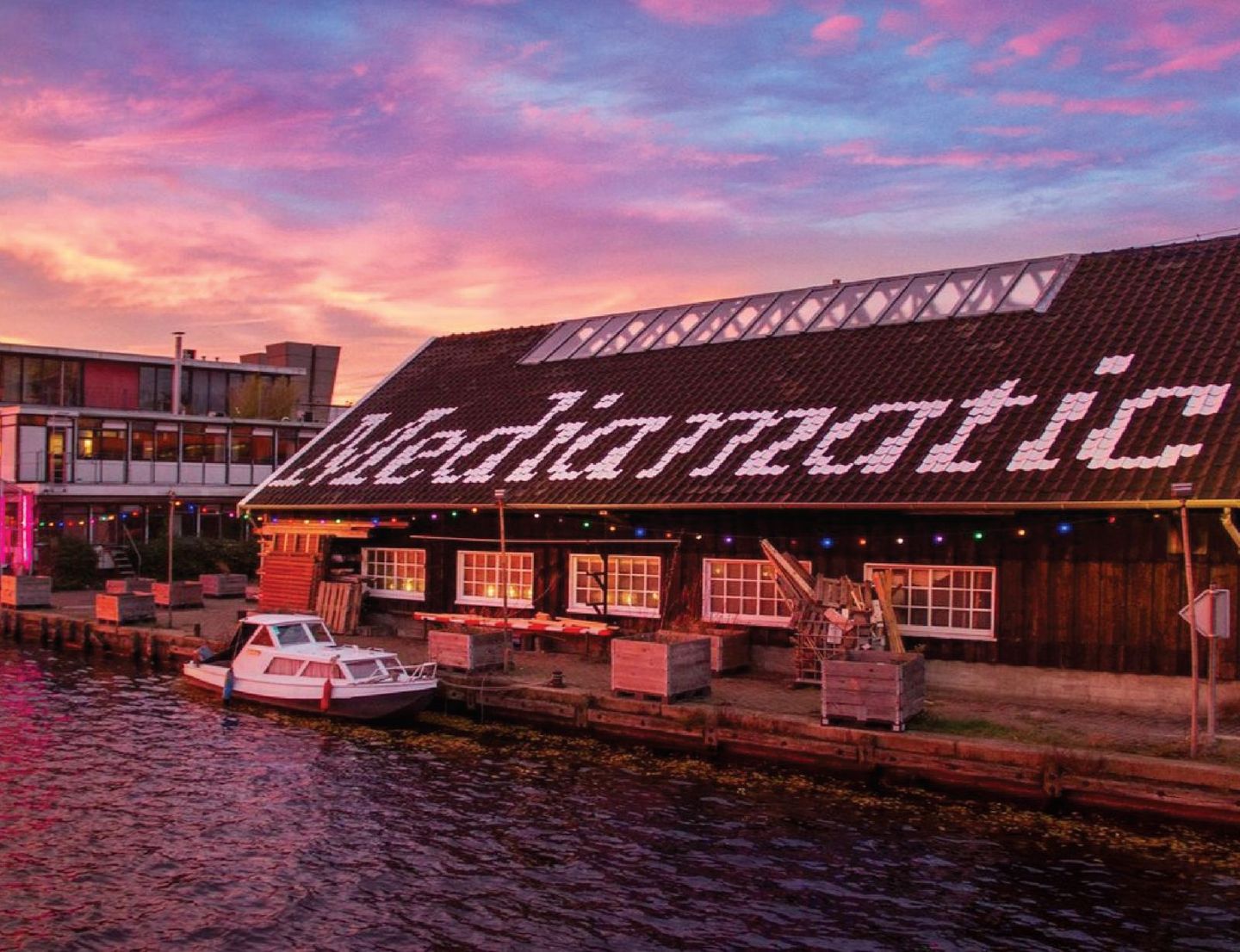
Residency #1 - Term 1. Amsterdam, The Netherlands. In collaboration with Mediamatic.
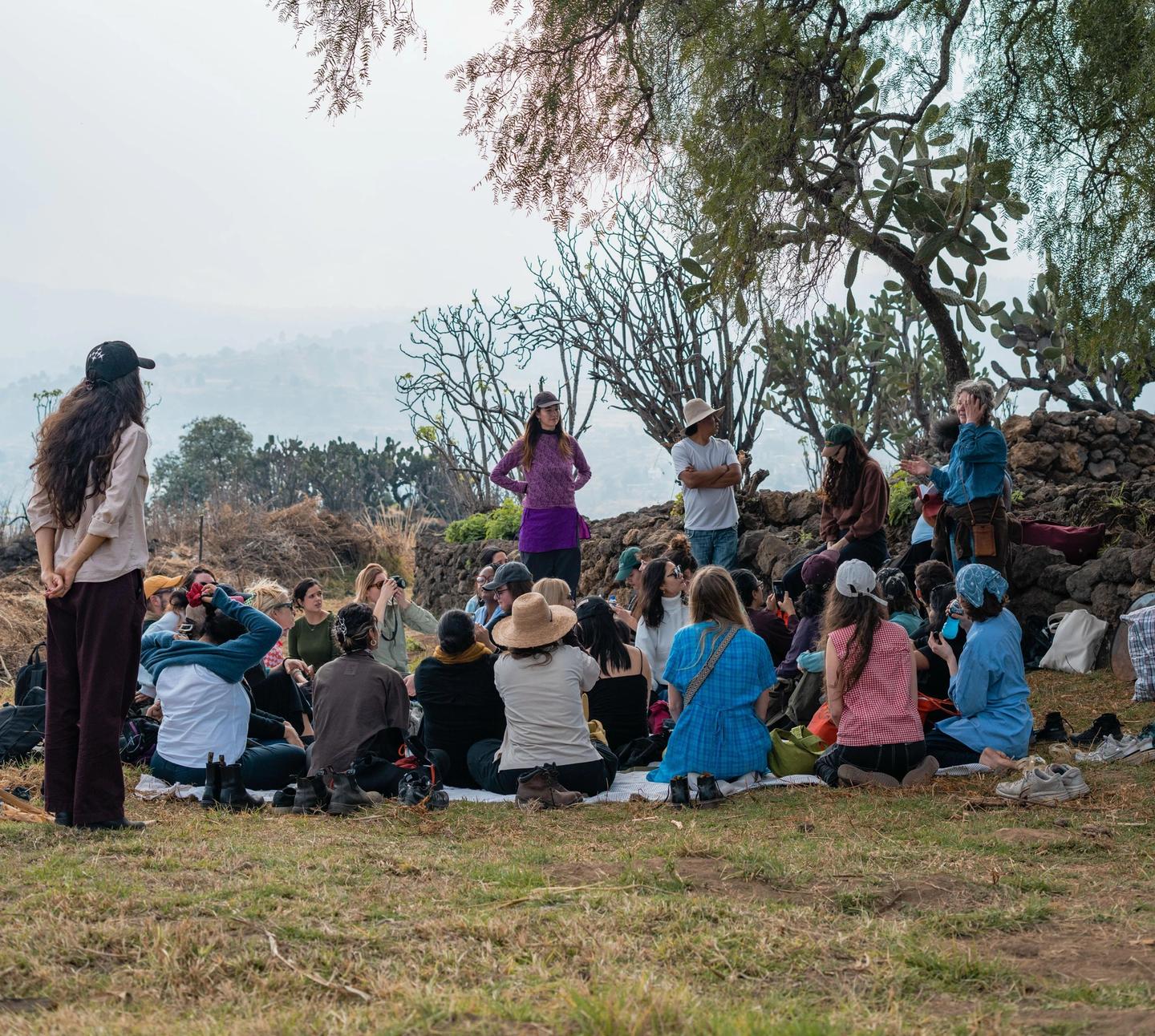
Residency #2 - Term 2. Mexico City. Mexico. In collaboration with coletivo amasijo.
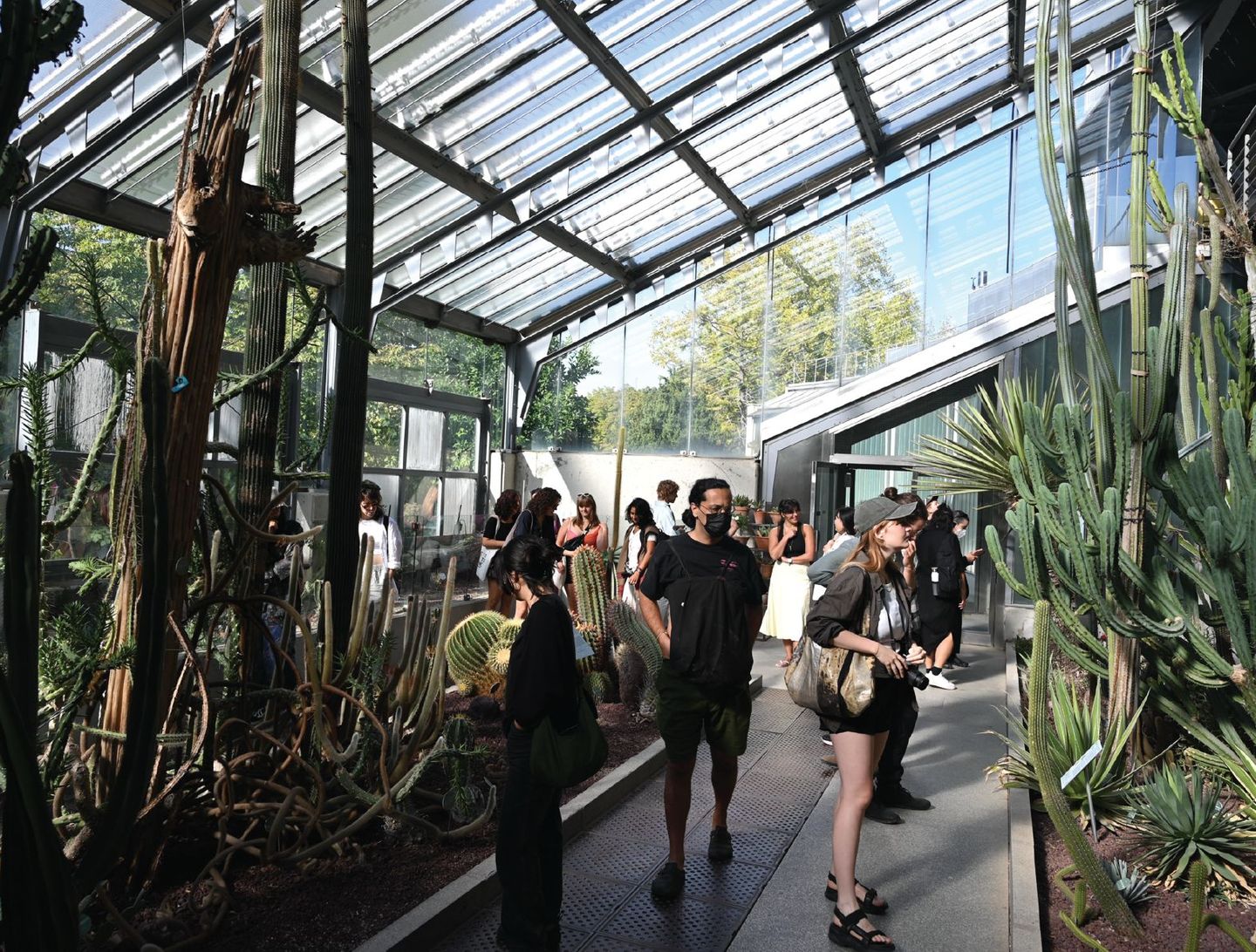
Residency #3 - Term 3. Madrid, Spain.
FAQs
Contact
The Gramounce does not have physical headquarters,
but is run online from Madrid, London, Brussels, Porto and Milan.
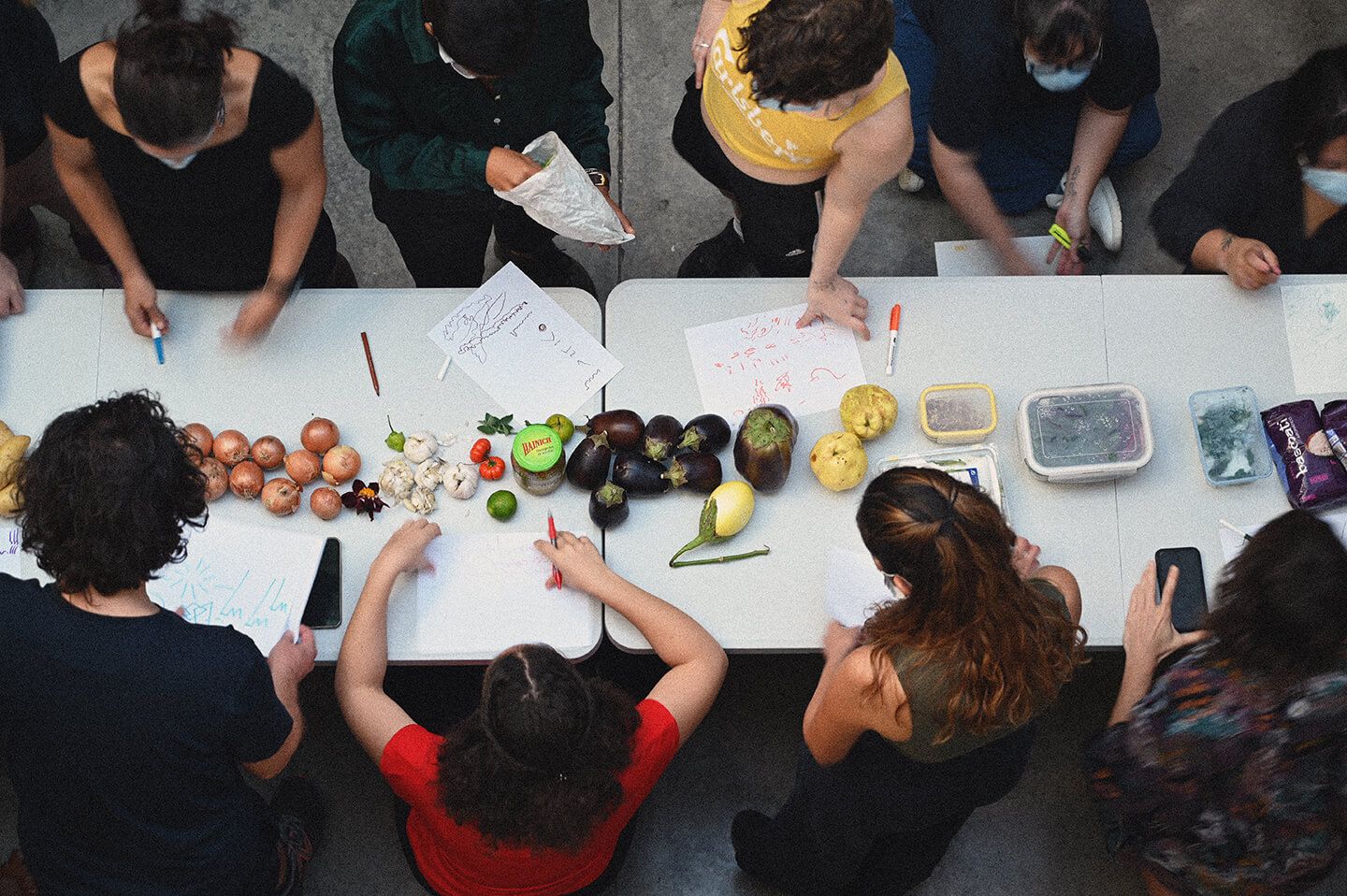
Participants at a workshop in Madrid in 2023
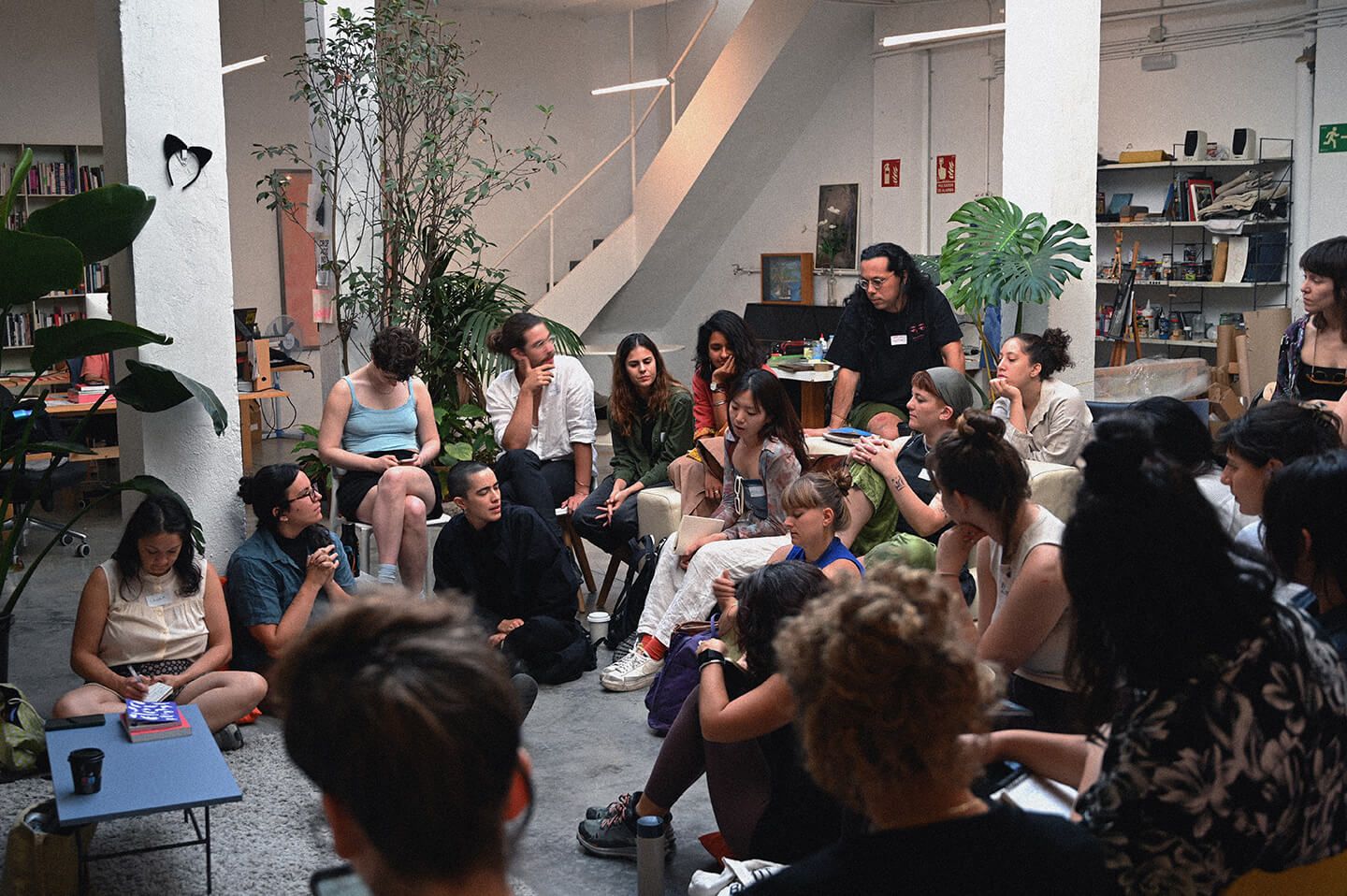
Participants at a workshop with the Institute for Postnatural Studies at the residency in Madrid in 2023
Sign Up
You can sign-up directly for the online-only altMA (no application needed). Scholarships are available only for the online-only altMA, via the form linked below.
Applications for the full altMA have now closed.
Please read our return and warranty policy here
And our terms and conditions of purchase