Residency Description
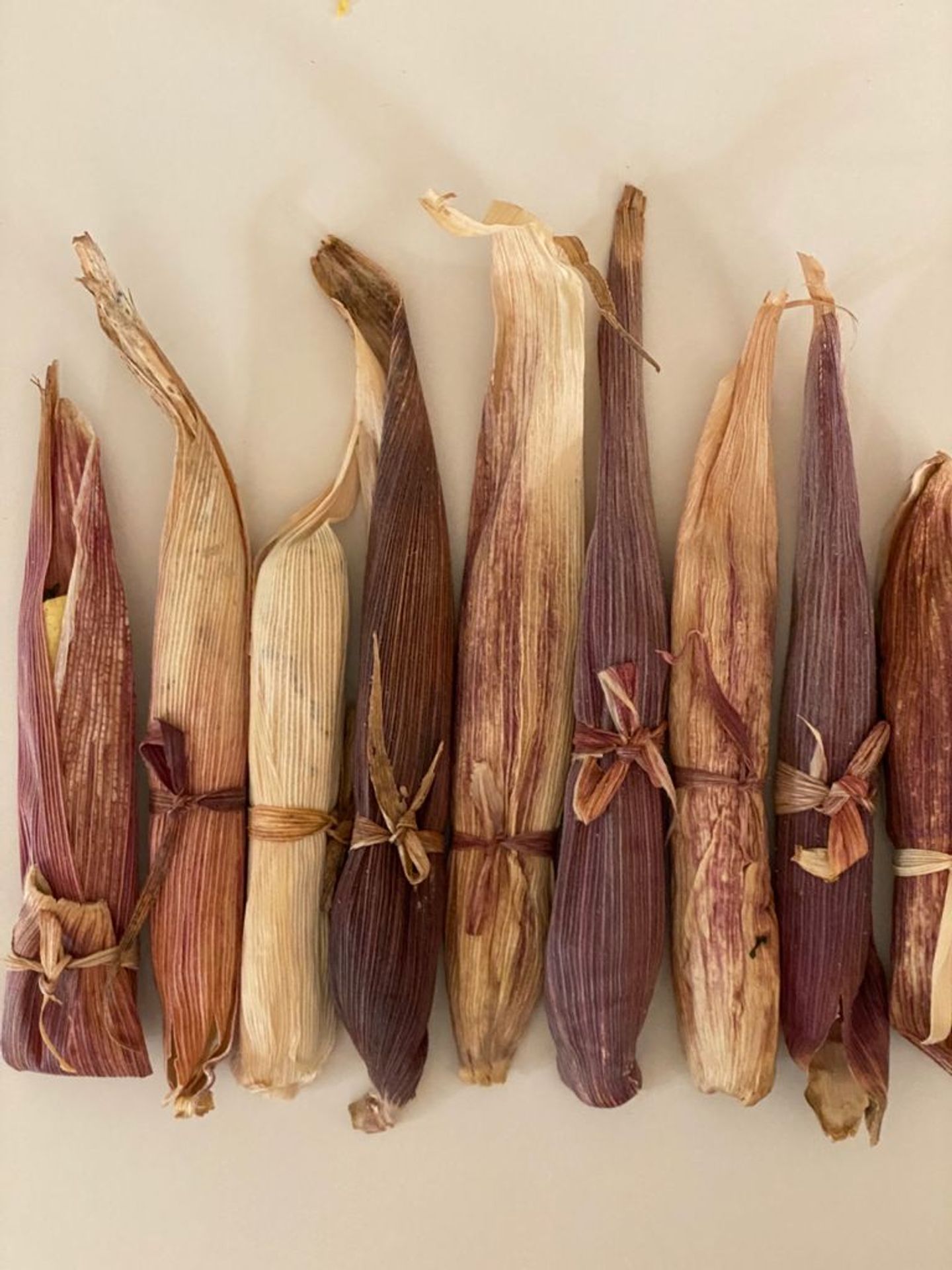
This course proposes colour as an epistemological category: not a visual attribute of objects, but a form of ecological knowledge produced through sustained relationships between communities, species, and territories. In the Central Valleys of Oaxaca, the region with the greatest linguistic and biological diversity in Mexico, colour has historically operated across domains that Western disciplinary structures tend to separate: agriculture, medicine, textile production, cuisine, ritual, and trade. A pigment such as cochineal is simultaneously an agricultural product, a dyeing technology, a medium of colonial commerce, and a material that reshaped European painting. To study colour in Oaxaca is therefore to study the entanglement of biodiversity, technique, and cultural memory.
The course is situated within current debates on biocultural heritage, material culture, and situated knowledge. It departs from the premise that pigments and dyes constitute archives: they register ecosystems, seasonal cycles, extraction economies, and intergenerational transmission of technique. Reading colour in this way reframes familiar sites. The market stall becomes a cartography of bioregions; the textile, a document; the plate of food, a landscape condensed through processes of drying, smoking, roasting, charring, and grinding.
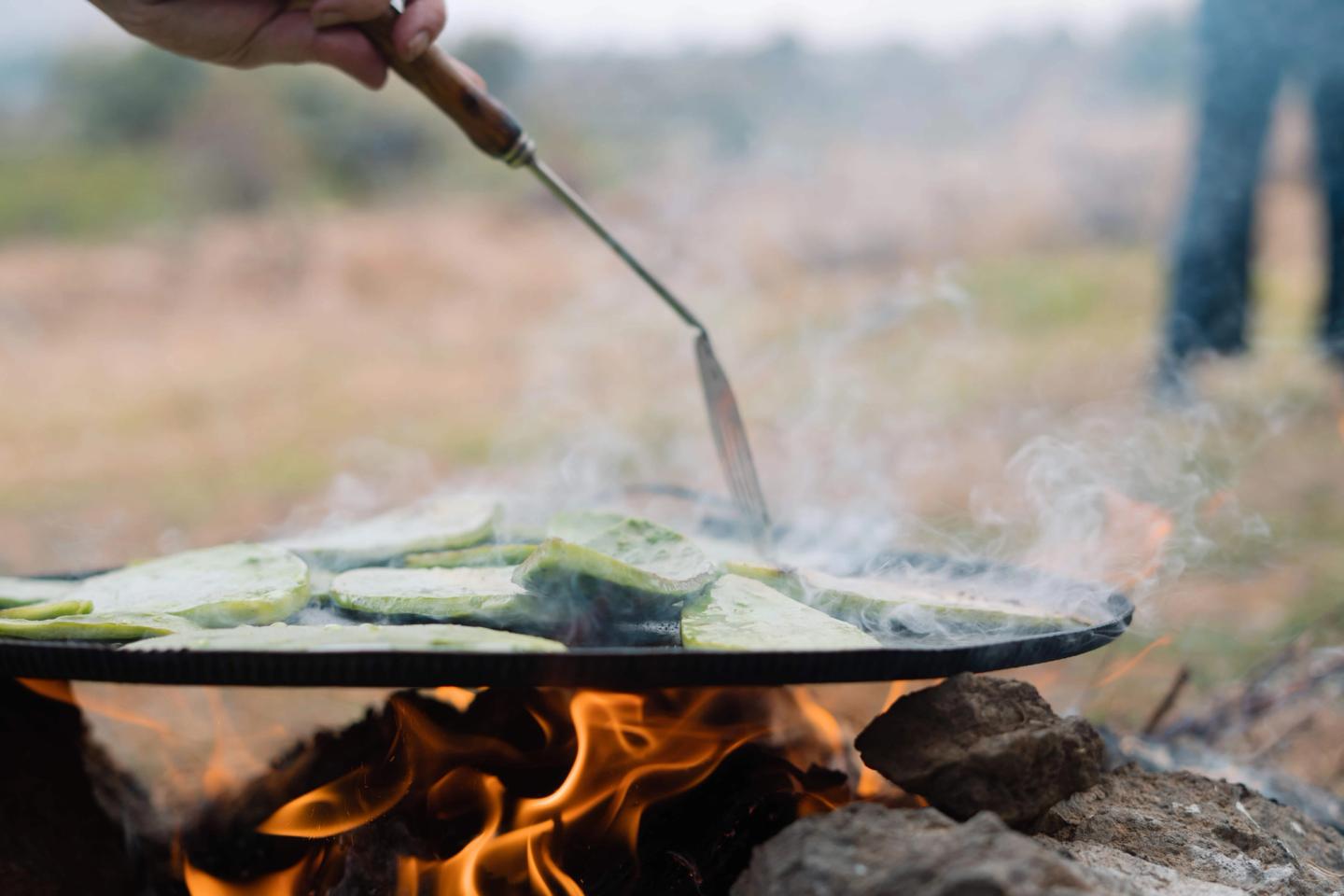
A second premise concerns the continuity between dyeing and cooking. Both are technologies of transformation governed by fire, water, time, and mineral agents; both encode material knowledge developed and refined by communities, frequently by women, over centuries. Nixtamalization, mordanting, fermentation, and the preparation of mole are approached here as parallel operations within a single technological field. The course thus positions food and colour not as adjacent themes but as expressions of the same territorial intelligence.
Info
Residency in Oaxaca
Residency spots are limited to 25 participants.
*Accommodation and travel to Oaxaca are not included in the price and must be arranged by participants independently.
PRICE
Full price: 1200€
Early bird: 960€ (until 31 August 2026)
HOST
Curated by colectivo amasijo
DATES
25 - 31 January 2027
ENROLLMENT
No application required, sign up directly
Methodology
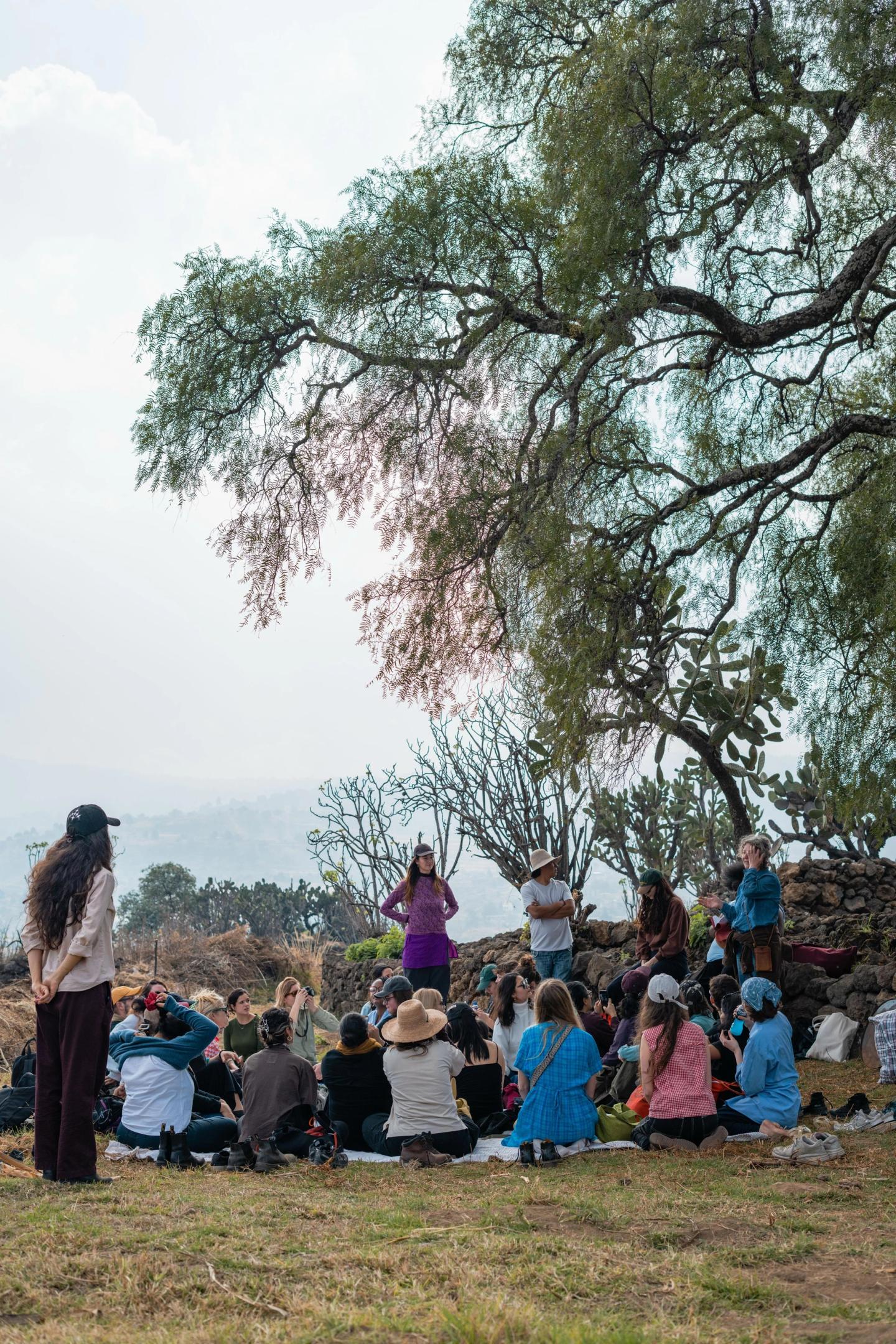
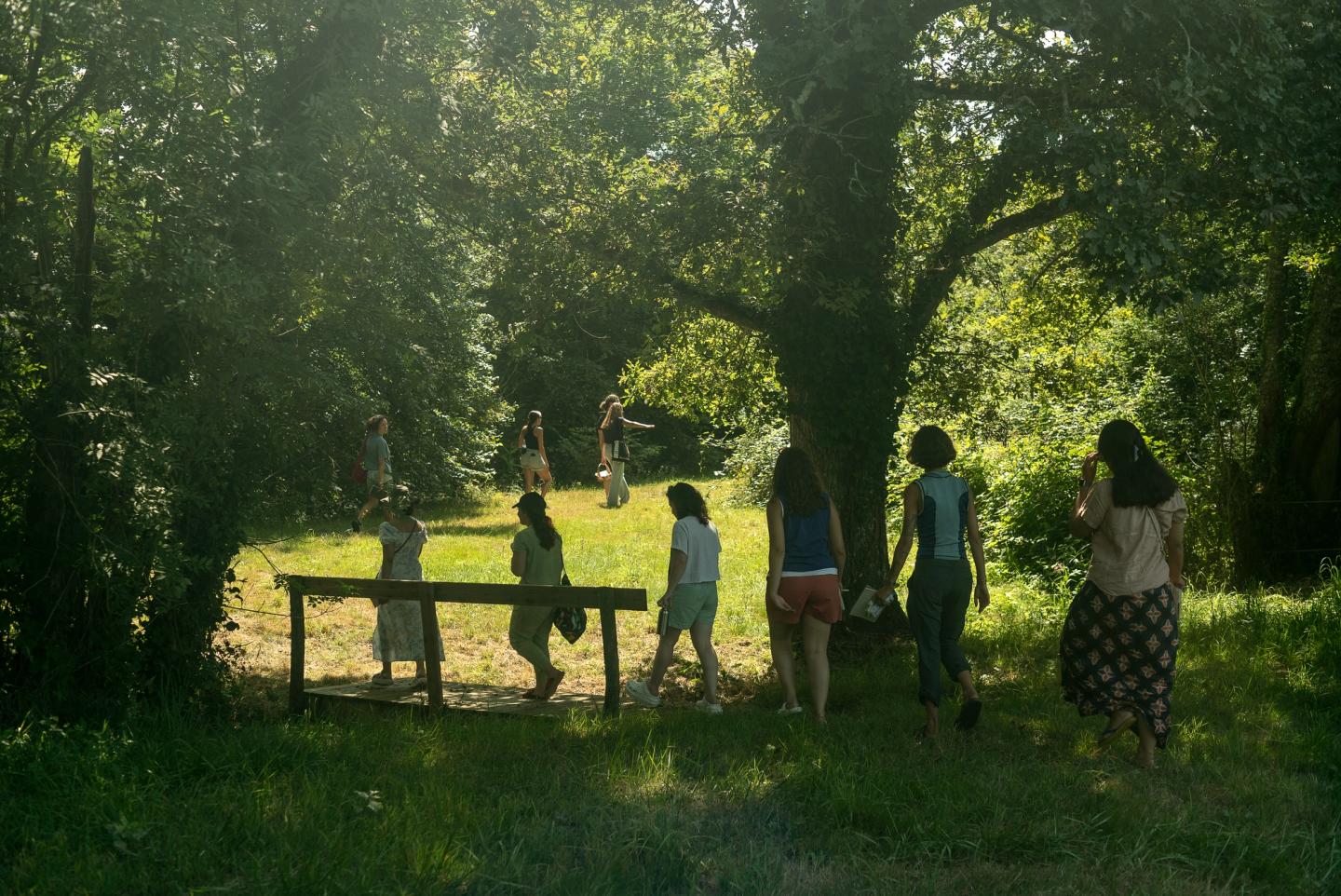
The course adopts a field-based, embodied pedagogy structured around direct engagement with practitioners in their sites of production. Rather than extracting knowledge from its context, participants work within the spatial, temporal, and social conditions in which that knowledge operates: the market at opening hour, the dye workshop across successive baths, the domestic kitchen, the palenque, the public mill.
Four methodological principles organise the week:
Learning through practice. Knowledge is acquired through the execution of processes in their entirety: gathering dyestuffs, mordanting, dyeing, nixtamalizing, grinding, cooking, embroidering, printing. Each process is completed rather than demonstrated, allowing participants to experience the durations, rhythms, and material resistances that constitute technique.
Situated dialogue. Sessions are led by the custodians of each practice: dyers, weavers, potters, cooks, mezcal producers, carvers, and artists. Their authority over their own knowledge structures the exchange. Guided questions accompany each encounter, addressing labour, provenance, seasonality, and collective organisation.
Iterative reading of territory. Sites are revisited conceptually throughout the week. The dyes gathered on day one are processed on days three and four and embroidered on day six; the maize nixtamalized on day five is ground and printed on day six. This recursivity allows participants to trace materials through complete cycles of transformation.
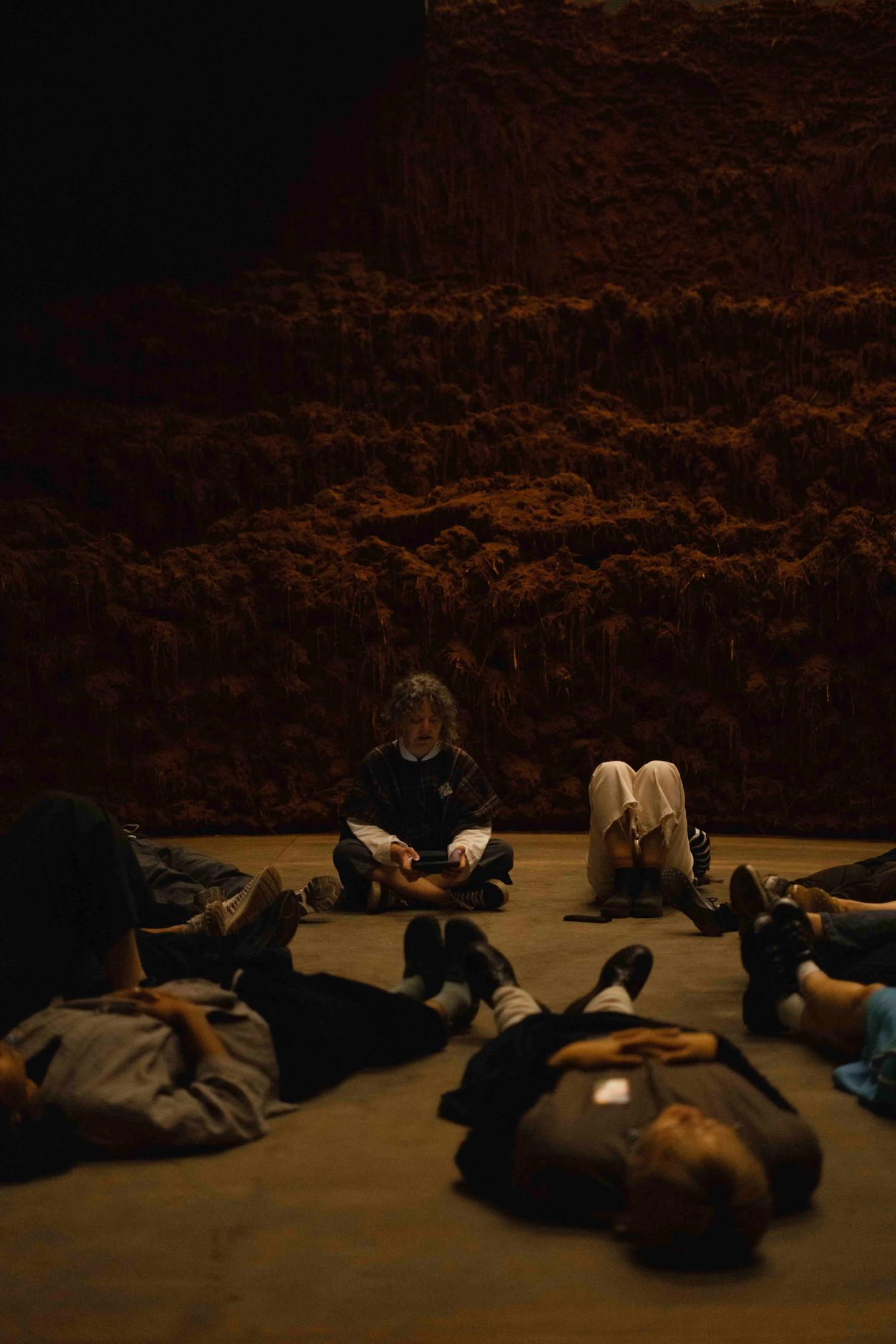
Collective reflection. Shared meals, readings, and structured discussions close each day, consolidating observations and connecting individual experience to the course's theoretical framework.
Structure
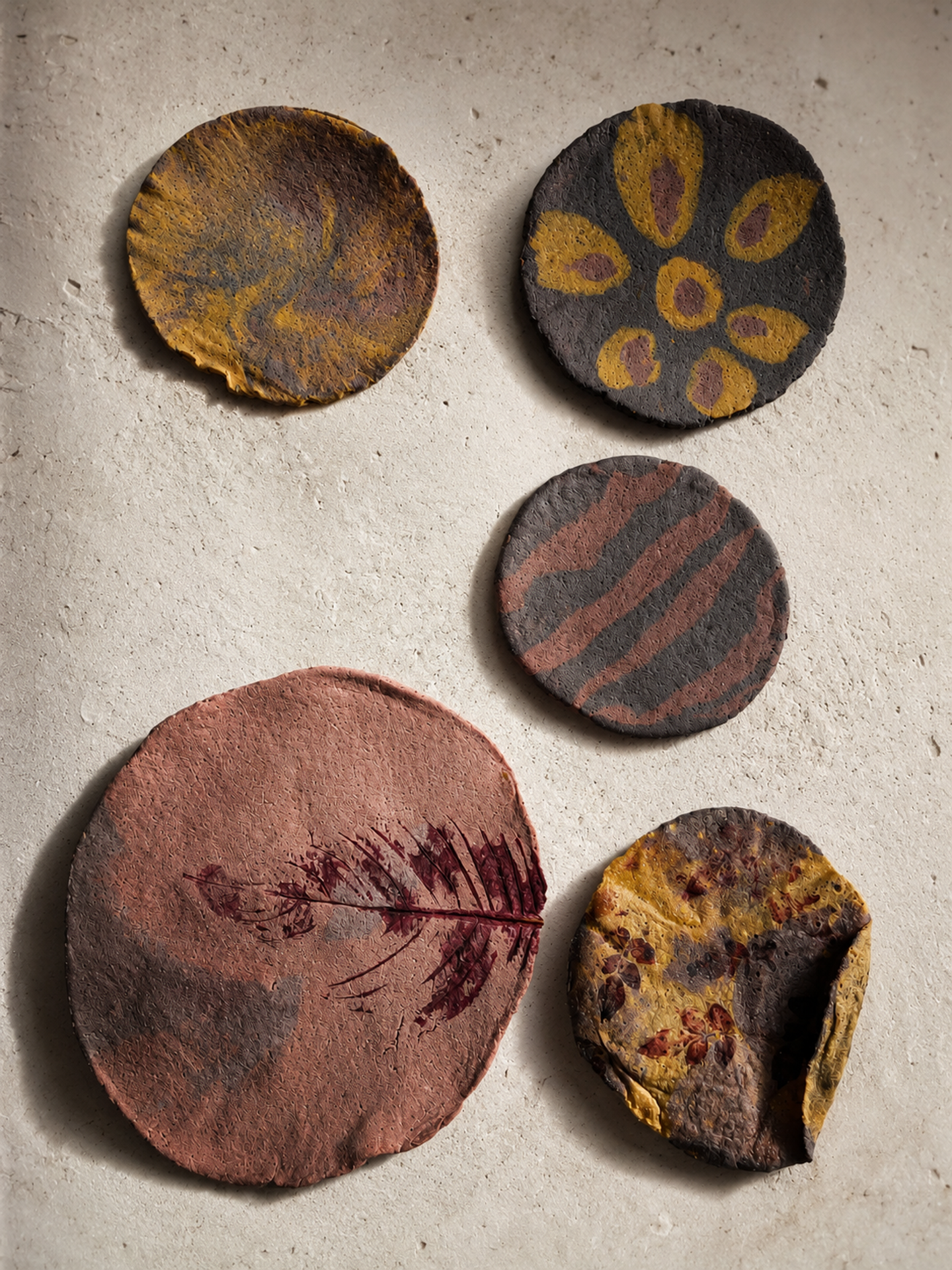
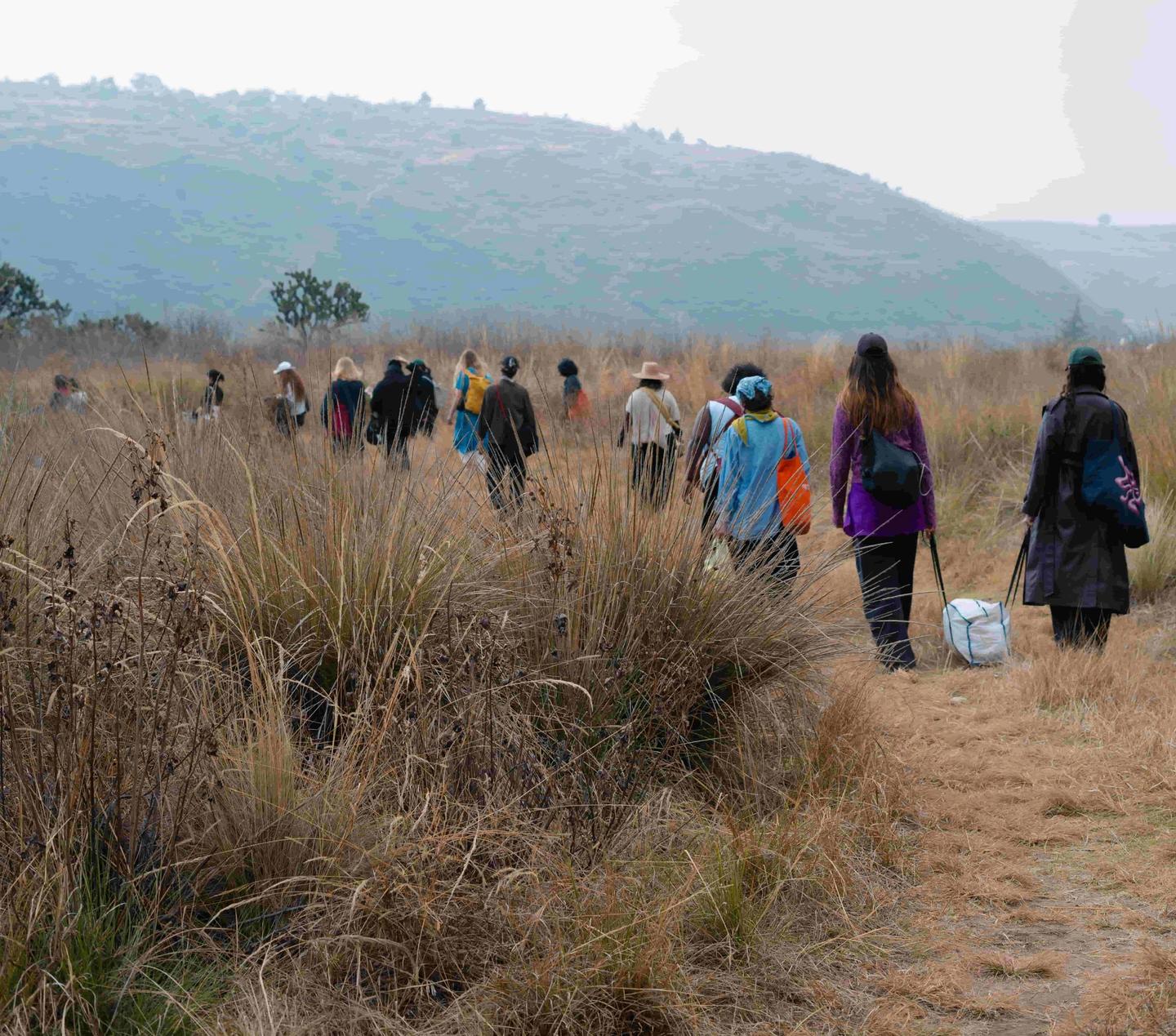
Over the course of seven days, participants move between the city of Oaxaca and the communities of the Central Valleys, following materials through complete cycles of transformation. The week opens at Casa Yaxe with an introduction to the ecological and political context of the territory, and unfolds through fieldwork in regional markets, where dyestuffs, medicinal plants, and seasonal produce are gathered and studied alongside the people who trade in them. Successive dye baths at Hilos Flojos, dedicated to mordanting, cochineal, and indigo, run in parallel with sessions on clay with potter Rosario Cruz in Tlapazola, a mezcal tasting with maestra Sósima Aguilar, and encounters with artists, publishers, and cultural spaces working on questions of territory, water, and maize. In the final days, the maize nixtamalized by the group is ground at a public mill and printed with edible pigments in a ceremonial tortilla workshop, the dyed yarns are embroidered with artist Edith Morales at Milpa Urbana, and the week closes in Tilcajete and San Antonino with the collective preparation of a regional mole, understood as a synthesis of the colour technologies studied throughout the course. Find a detailed scheduled here .
Cancellations and Refunds Policy
At The Gramounce, we operate with a no-refunds policy. Once you have enrolled in a course, residency, or event, all fees are non-refundable and non-transferable.
Refunds will only be issued in the unlikely event that The Gramounce cancels the course, residency, or event in its entirety. In such a case, participants will be refunded the full amount paid.
We encourage participants to carefully review the program details before enrolling. If you have any questions regarding the content, schedule, or participation requirements, please contact us prior to confirming your registration.
FAQs
Sign up
Please read our return and warranty policy here
And our terms and conditions of purchase