“Exploring the Dialectical Tension between Governance and Subversion Through Food”
This short course, designed by Nin Yan and Qisen Song, explores the dialectical tension in modern China between food as a tool of governance—used to discipline, unify, and manufacture a collective identity—and food as a site of subversion—where ordinary people navigate the cracks of the system through culinary ingenuity.
Over two months, we feature eight weekly online foundation seminars highlighting diverse Chinese practitioners who position food at an intersection of the contradictions and frictions encountered in their creative work. This program culminates in a ten-day residency in Shanghai, using the city as a prism of investigation. Through shared “banquets”, film screenings, active cooking, field visits, and guest seminars, we look beyond the plate to see the Chinese dinner table and the functioning mechanism behind as a theatre of power, where socialism and capitalism, scarcity and abundance, and centralised order and individual agency are negotiated every day.
Online course and residency in Shanghai
Residency spots are limited to 25 participants.
*Accommodation and travel to Shanghai are not included in the price and must be arranged by participants independently.
PRICE
Full price: 1200€
Early bird: 960€ (until 31 August 2026)
DATES
Online Course: January through March, 2027
Residency in Shanghai: 22nd - 31st March 2027
HOSTS
Curated by Nin Yan and Qisen Song
Enrollment
No application required, sign up directly.
Methodology
This program employs a multidisciplinary and critical approach to food studies. During our online foundation online lectures, we treat the dinner table as a complex text to be decoded. The course’s methodology will combine:
- Interdisciplinary Lectures – Engaging with a curated cohort of historians, urbanists, elite chefs, curators, and journalists to analyze food through the diverse lenses of political economy, spatial design, visual culture, and grassroots journalism.
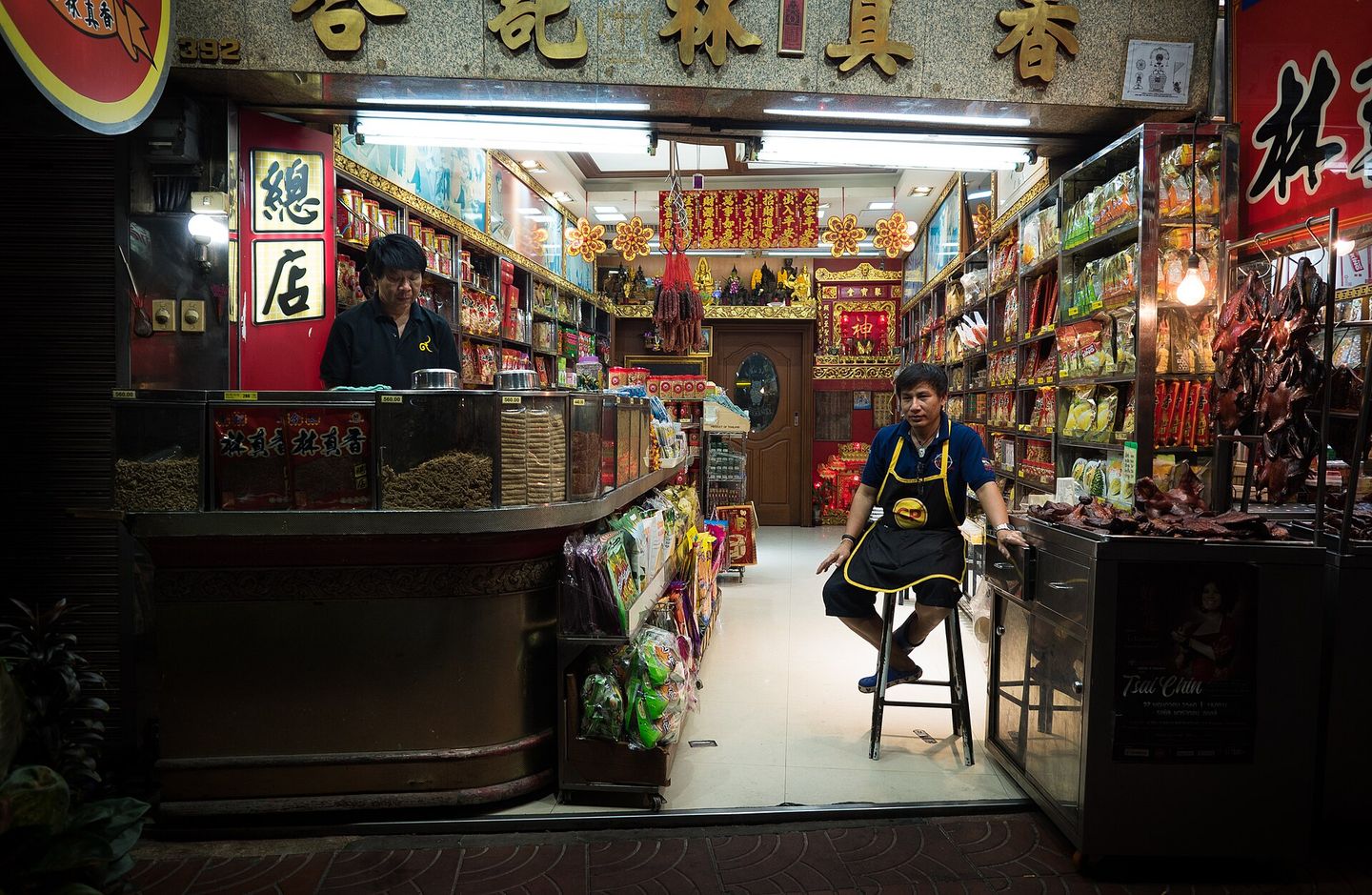
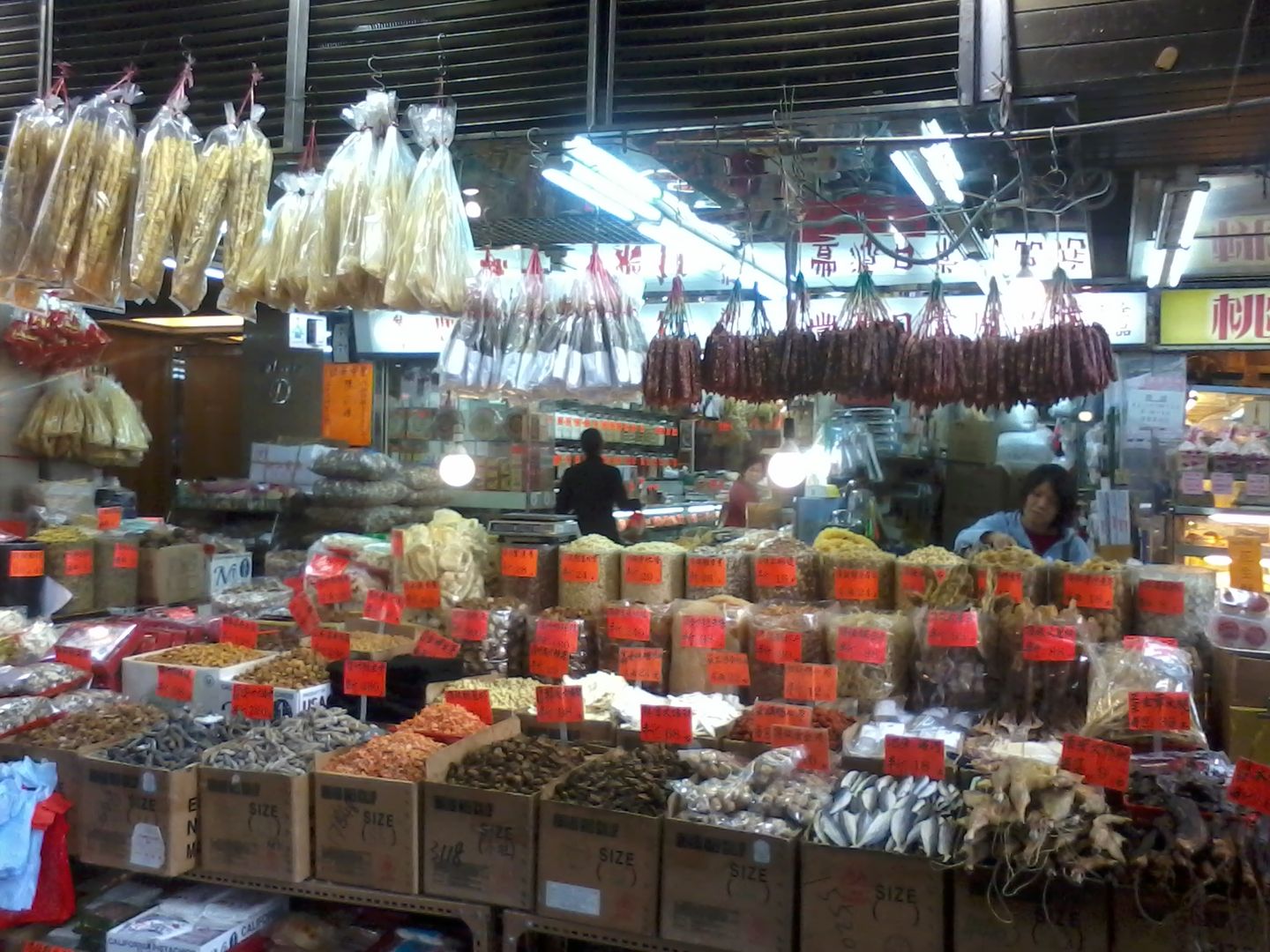
- Critical Case Studies – Deconstructing specific cultural artifacts and phenomena—from ancient scroll paintings and state granaries to modern shopping malls and high-velocity food markets—to reveal the underlying mechanics of power and subversion.
- Cross-Disciplinary Dialogues – Fostering an interactive space where macro-historical concepts are debated alongside the intimate, everyday realities of cooking, migrating, and eating. We aim to bridge the gap between academic theory and the visceral nature of the culinary arts.
- Directed Inquiry & Presentation – Culminating in the collective formulation of critical hypotheses (the "Three Questions" framework), sharpening our intellectual lenses to transform passive listening into active, structured investigation.
The goal of these sessions is to build a robust theoretical framework, equipping participants with the critical vocabulary needed to read the Chinese dinner table as a dynamic theatre of governance, identity, and resistance before we step into the field.
Structure
The program consists of two main components:
- Online Foundation Seminars (2 months) – 8 weekly sessions featuring diverse guest practitioners, critical lectures, and foundational discussions to build our theoretical framework.
- Shanghai Residency (10 days) – A hands-on, immersive investigation using the city as a prism, featuring shared banquets, field visits, active cooking, and in-person seminars to observe these dialectics in practice.
You can sign up to both or just to the online course.
Schedule
Online Lecture Schedule (Weekends)
Time:
- Beijing: Saturdays, 5:00 PM – 6:30 PM
- Madrid: Saturdays, 10:00 AM – 11:30 AM
- London: Saturdays, 9:00 AM – 10:30 AM
- CDMX: Saturdays, 2:00 AM – 3:30 AM
Dates (2027):
- January: Jan 9, Jan 16, Jan 23, Jan 30
- February: Feb 13, Feb 20, Feb 27 (Off: Feb 6)
- March: Mar 6, Mar 13 (Off: Mar 20)
Residency Dates 2027
- Shanghai: Mar 22nd - Mar 31st
Curators
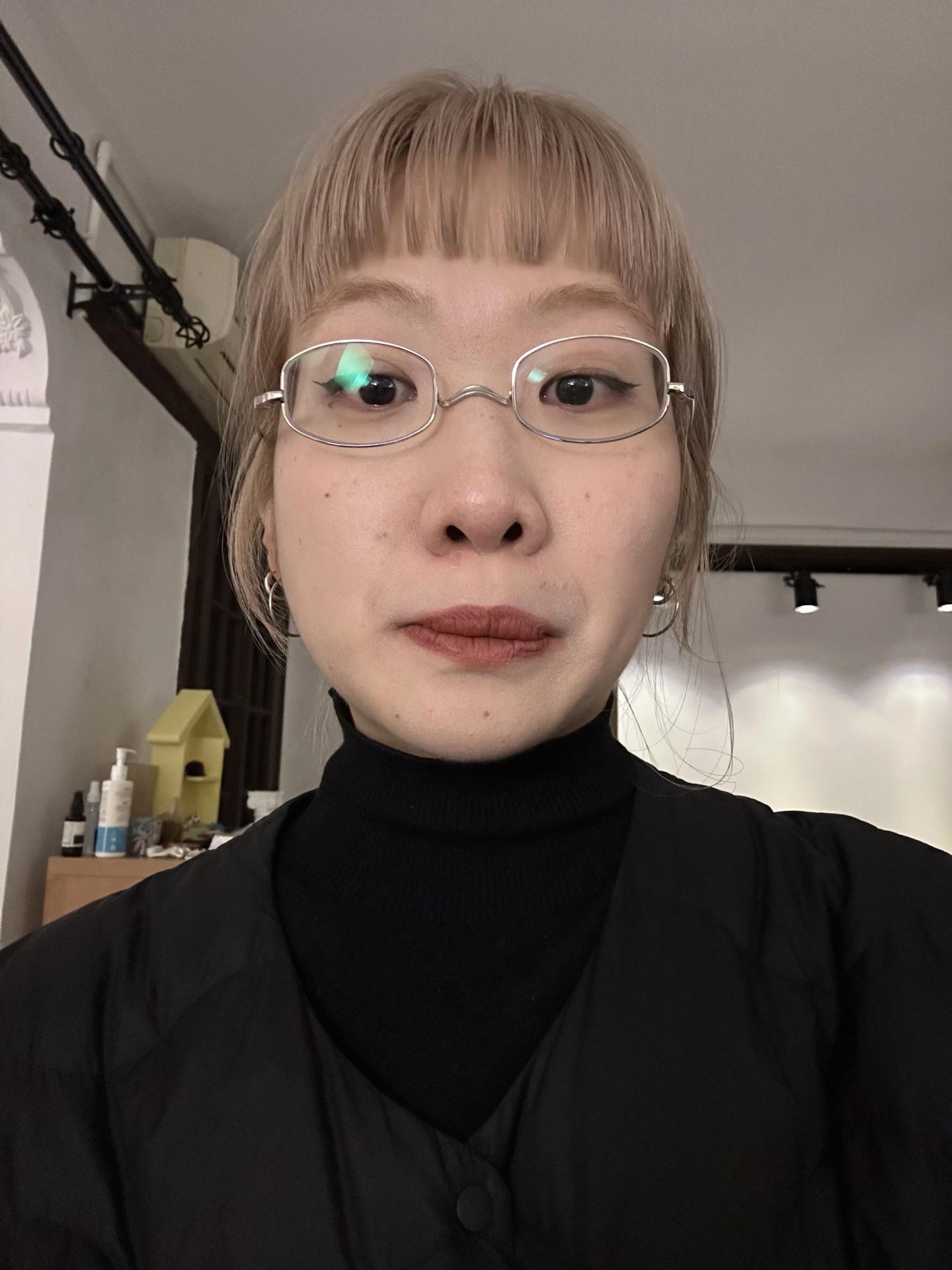
Nin Yan
Read more
Artist and Curator
Nin Yan
Artist and Curator
nin is a freelance graphic designer whose practice has always naturally gravitated toward the culinary world. After earning her undergraduate degree in Graphic Communication Design from Central Saint Martins, she joined The Gramounce altMA in 2025. There, she began exploring the intersection of her graphic design concepts and gastronomy, launching her ongoing research project: edible steganography. Fascinated by the art of concealing and revealing messages, she translates this sense of secrecy and playful "spycraft" from her design work directly into food-making. Alongside her creative work for brands and personal artistic development, she runs the design studio asGarnish, is one-half of the Chinese podcast 酸沙发 Sour Sofa, and co-runs On the Rug, a wine bar based in Shanghai.
nin 是一位自由平面设计师,她的创作实践总是自然而然地与食物世界产生交集。在中央圣马丁学院(Central Saint Martins)攻读并取得平面传达设计本科学位后,她于 2025 年加入了 The Gramounce altMA 项目。在此期间,她开始探索平面设计概念与美食的交汇,并开启了她正在进行的研究项目:“可食用的隐写术”(edible steganography)。她对隐藏与揭示信息的艺术充满热情,并将这种源自设计工作中的神秘感与充满趣味的“谍报”特质,直接转化到了食物的制作过程中。除了为品牌提供创意设计以及个人的艺术探索之外,她还经营着设计工作室 asGarnish,是中文播客 酸沙发 Sour Sofa 的联合主播,同时也是上海葡萄酒吧 On the Rug 的1/2。
Qisen Song
Read more
Academic and educator
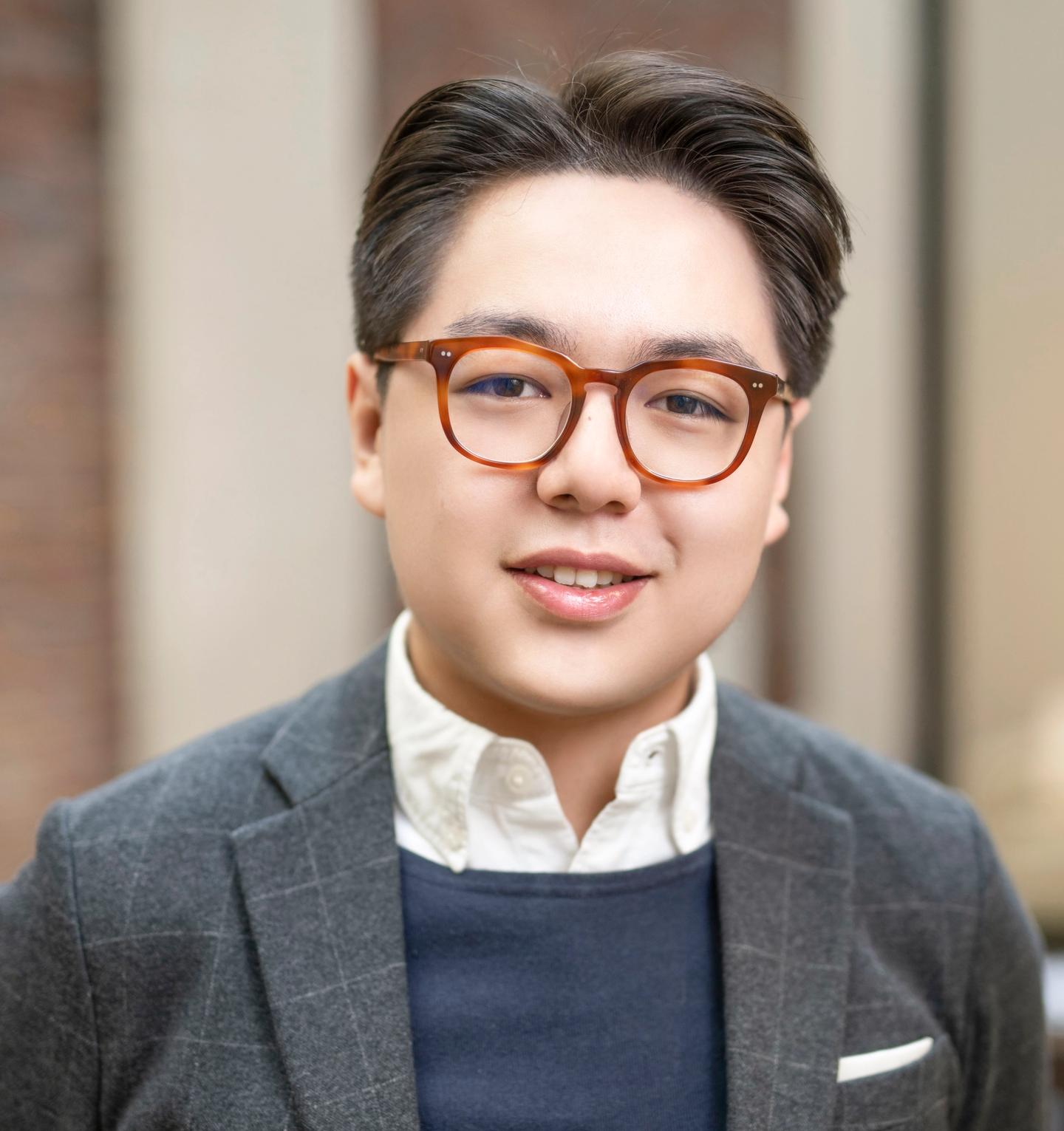
Qisen Song
Academic and educator
Qisen Song is an educator based in Shanghai and the co-founder of the food curation agency JOYFOR. He earned a BA with honors in Art History from Vanderbilt University, followed by an MA and MPhil (ABD) from the Department of Art History and Archaeology at Columbia University. Transitioning from academia to the culinary arts, Qisen returned to Shanghai to establish JOYFOR alongside his collaborators Scene Peng and Hanqi Zhu. His current work and research interests are focused on the history of socialist food culture and the gastronomic heritage of the Silk Road.
宋淇森是一位常驻上海的教育工作者,也是饮食策划机构“乐于 JOYFOR”的联合创始人。他本科毕业于范德堡大学,荣获艺术史最高荣誉学位;随后前往哥伦比亚大学艺术史与考古学系深造,先后取得文学硕士及哲学硕士学位。作为一名跨界学者,他并未局限于学术象牙塔,而是将视野转向了饮食艺术领域。从纽约回到上海后,他与合伙人Scene Peng及Hanqi Zhu共同创立了JOYFOR。目前,他的工作与研究兴趣主要聚焦于社会主义饮食文化史,以及丝绸之路的饮食文化遗产。
Contributors
Friso Hsiao
Read more
Food curator
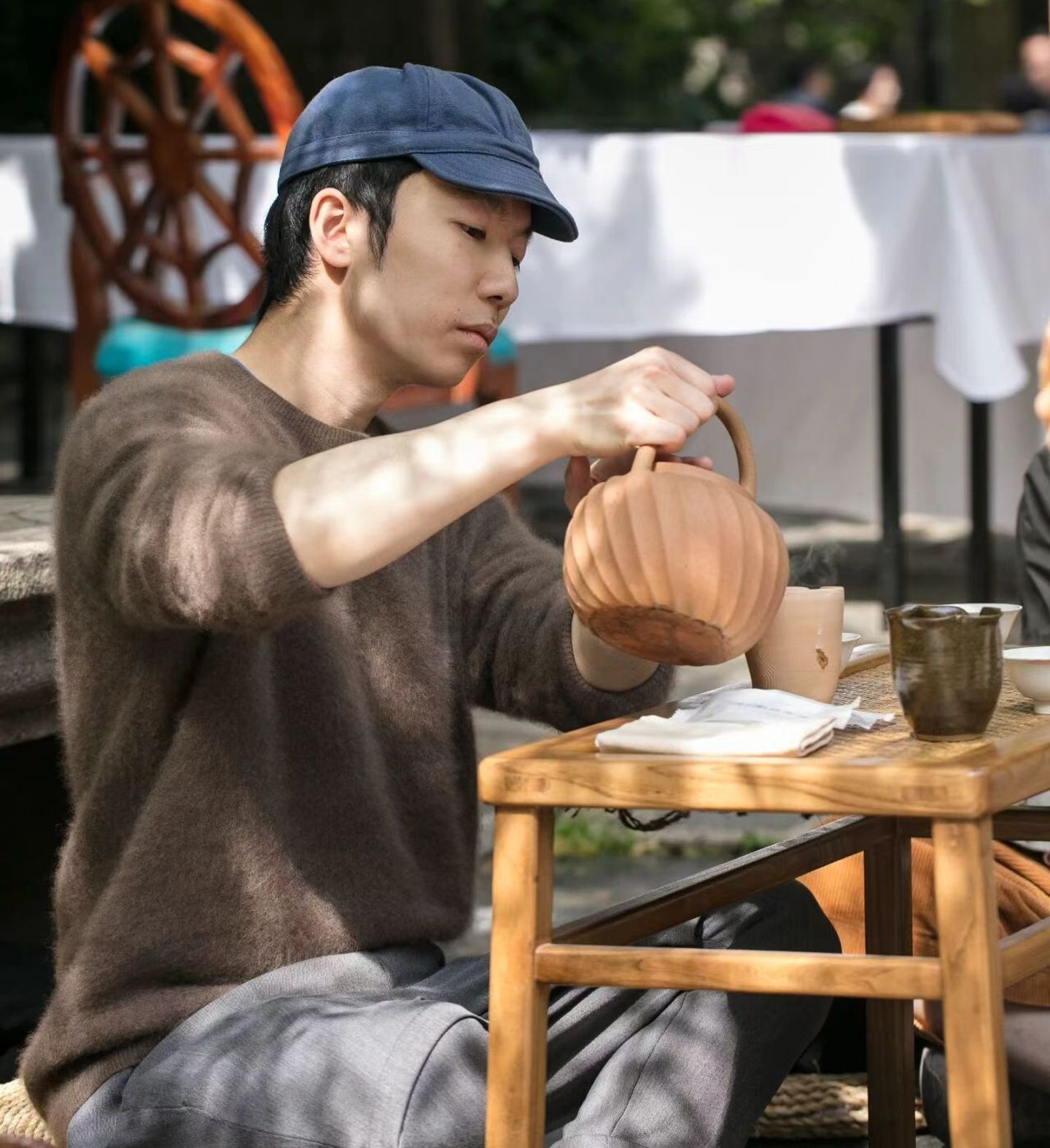
Friso Hsiao
Food curator
Friso Hsiao is the founder of De Artan dessert dining & gallery and a pioneering food curator who blends contemporary art with haute pastry. An alumnus of Vanderbilt University and Ferrandi Paris, Friso formerly worked in the R&D department of the legendary Parisian pastry house Dalloyau, creating custom dessert designs for iconic brands like Cartier and Disneyland Paris.
Transitioning from a background in contemporary art to the culinary world, he now serves as a dessert consultant for Michelin-starred restaurants and major food brands. Passionate about education and media, Friso is a Guest Lecturer at Tsinghua University’s Future Lab, a lecturer for the HKUST HMW course, and was featured in the CCTV documentary The Peach Blossom Spring in the Kitchen. He also runs the popular food and art self-media platform, "Xiao Dou Jun's Cuisine."
萧忠玮(Friso Hsiao),De Artan甜点餐室与画廊创始人、美食策展人。他巧妙地将当代艺术的思考维度融入高级法式甜艺,开创出兼具视觉与味觉深度的跨界表达。萧忠玮早期专注于当代艺术,毕业于美国范德堡大学,后赴法国顶尖厨艺学府巴黎费朗迪深造。他曾就职于巴黎百年甜品名店Dalloyau的研发中心,为卡地亚、巴黎迪士尼等国际品牌量身打造高定甜点。在完成从当代艺术到餐饮领域的跨界后,他现受聘为多家米其林星级餐厅及知名连锁品牌的甜品顾问。在创作与商业咨询之外,萧忠玮积极投身于设计教育与公共传播。他受邀担任清华大学未来实验室Future Lab客座讲师与香港科技大学HMW课程讲师;央视纪录片《厨房里的桃花源》关注主厨之一,并制作美食艺术自媒体“小豆君的料理”。
Tong Zhou
Read more
Architect and designer
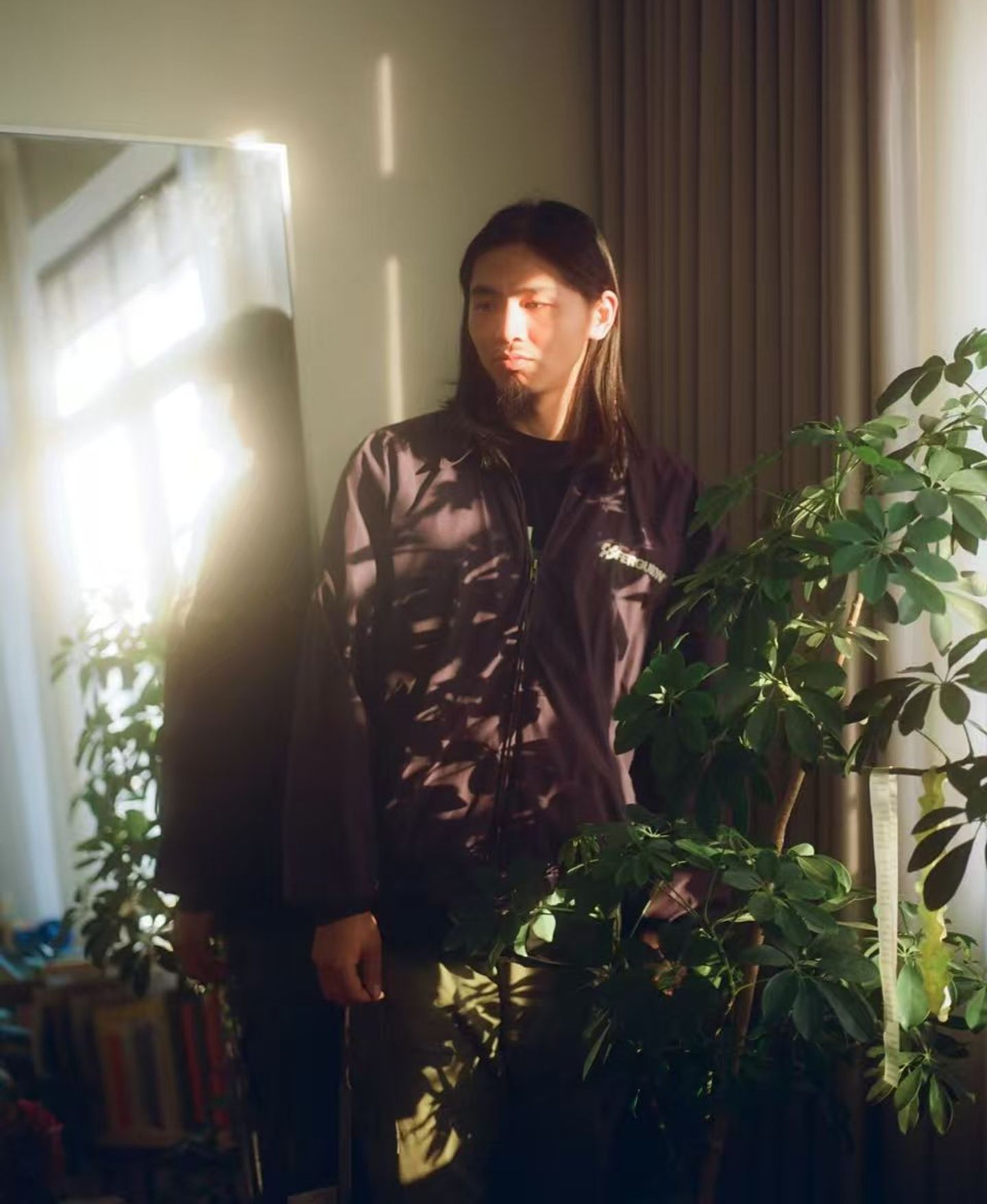
Tong Zhou
Architect and designer
Tong ZHOU is an architect and designer based in Shanghai and New York, and the founder of the independent studio TóngTóngTóng.
He graduated from the School of Architecture at Tsinghua University and earned his Master of Science in Advanced Architectural Design from Columbia University Graduate School of Architecture, Planning and Preservation (GSAPP) in 2018. His master's portfolio, Tong Zhou is a mild trilogy, received the GSAPP Honor Award for Excellence in Design. That same year, he was awarded the MAD Travel Fellowship to travel across the Iberian Peninsula.
Since 2018, Tong worked as an architect at New York-based practices including SO – IL, Toshiko Mori Architect, and Food Architects, and later served as Chief Studio Assistant to American artist Ekene Ijeoma. In 2024, he established TóngTóngTóng in Shanghai and New York. The studio engages with metropolitan life through an open, collaborative, and invitational practice spanning architecture, interiors, furniture, and events.
Outside of design, Tong is the founder and guitarist of Pu Poo Platter, a Shanghai-based jazz band.
周桐
活跃于上海与纽约两地的建筑师,独立设计师工作室TóngTóngTóng创始人。
他毕业于清华大学建筑学院, 在哥伦比亚大学取得高级建筑设计硕士学位, 他的硕士作品集Tong Zhou is a mild trilogy获得2018哥伦比亚大学建筑规划保护研究生院设计优秀荣誉奖, 同年获得MAD旅行基金资助前往伊比利亚半岛旅行.
自2018年以来, 他作为建筑师就职于SO - IL, Toshiko Mori Architect, Food Architects三家纽约新锐建筑事务所, 后担任中生代美国艺术家Ekene Ijeoma的首席工作室助理. 2024年他在上海与纽约创立独立设计师工作室TóngTóngTóng, 以开放、协作、邀请的姿态介入两座大都市的城市生活, 积极参与包括建筑、室内、家具、与活动在内的设计实践.
在设计工作之余,他也是上海爵士乐队宝宝盘Pu Poo Platter的创始人兼吉他手。
Sophie Chen
Read more
Photographer and editor
Sophie Chen
Photographer and editor
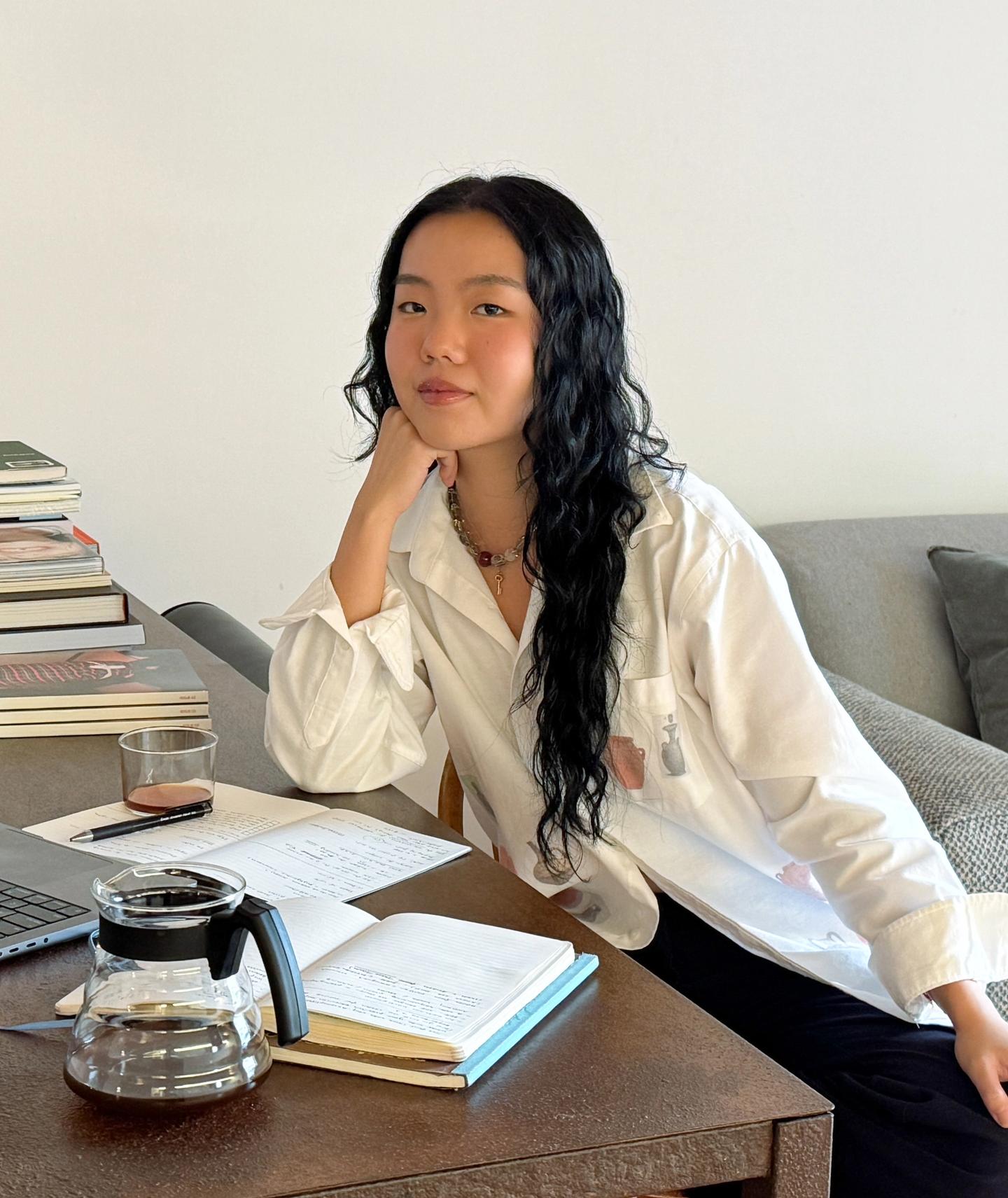
Sophie Chen is a photographer and editor based in Barcelona. She is the founder and editor-in-chief of Off-Menu, an independent publisher and creative studio exploring food and drink culture globally through visual storytelling. Its annual print magazine, special publications, and in-person events highlight the people, places, and ideas shaping contemporary food culture — with a focus on what happens behind the scenes, told through the lens of print.
Her photography practice is rooted in a documentary approach, drawn to the relationship between people and their environments, and to the knowledge and craft embedded in the way things are made. She is currently developing a long-term project exploring slow food culture and small-scale agricultural practices.
Sophie Chen 是一位常驻巴塞罗那的摄影师、编辑,也是独立出版品牌及创意工作室 Off-Menu 的创始人兼主编。Off-Menu 通过视觉叙事记录世界各地的饮食文化,推出年度纸质杂志、特别出版物,并策划线下活动,关注当代饮食文化背后的人、地方与观念——将那些发生在餐桌之外的故事,以纸质出版的形式呈现出来。
她的摄影实践围绕人与环境的关系展开,通过长期的观察与记录,探索知识、记忆与技艺如何沉淀于食物、土地与劳动之中。目前,她正持续进行一项关于慢食文化与小规模农业实践的长期摄影项目。
Ferma Studio
Read more
Fermentation studio
Ferma Studio
Fermentation studio
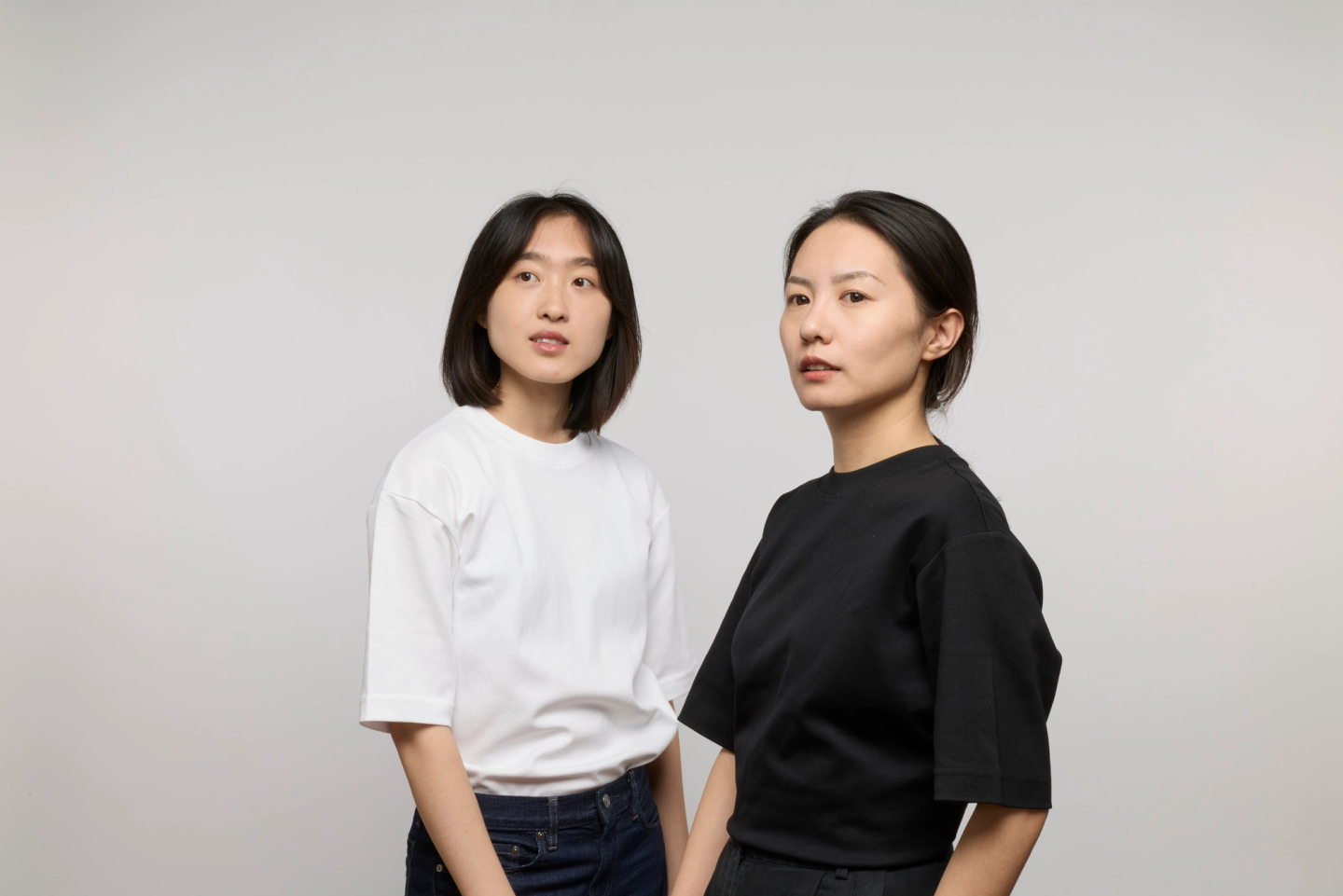
Ferma Studio develops and supplies fermentation materials, with a focus on bacterial cellulose produced through kombucha fermentation. Often discarded as a natural by-product of brewing, bacterial cellulose is transformed by Ferma through material research, application development, and aesthetic exploration into practical new materials.
发酵工作室专注发酵材料研发与供应。工作室以康普茶发酵生成的菌膜为核心原料。作为酿造环节的天然副产物,菌膜原本常被舍弃;团队不断挖掘材料性能、拓宽应用场景,并改良其美学表现力,将这种废弃副产物转化为富有实用价值的新型工业材料。
Watako
Read more
Creative and visual designer
Watako
Creative and visual designer
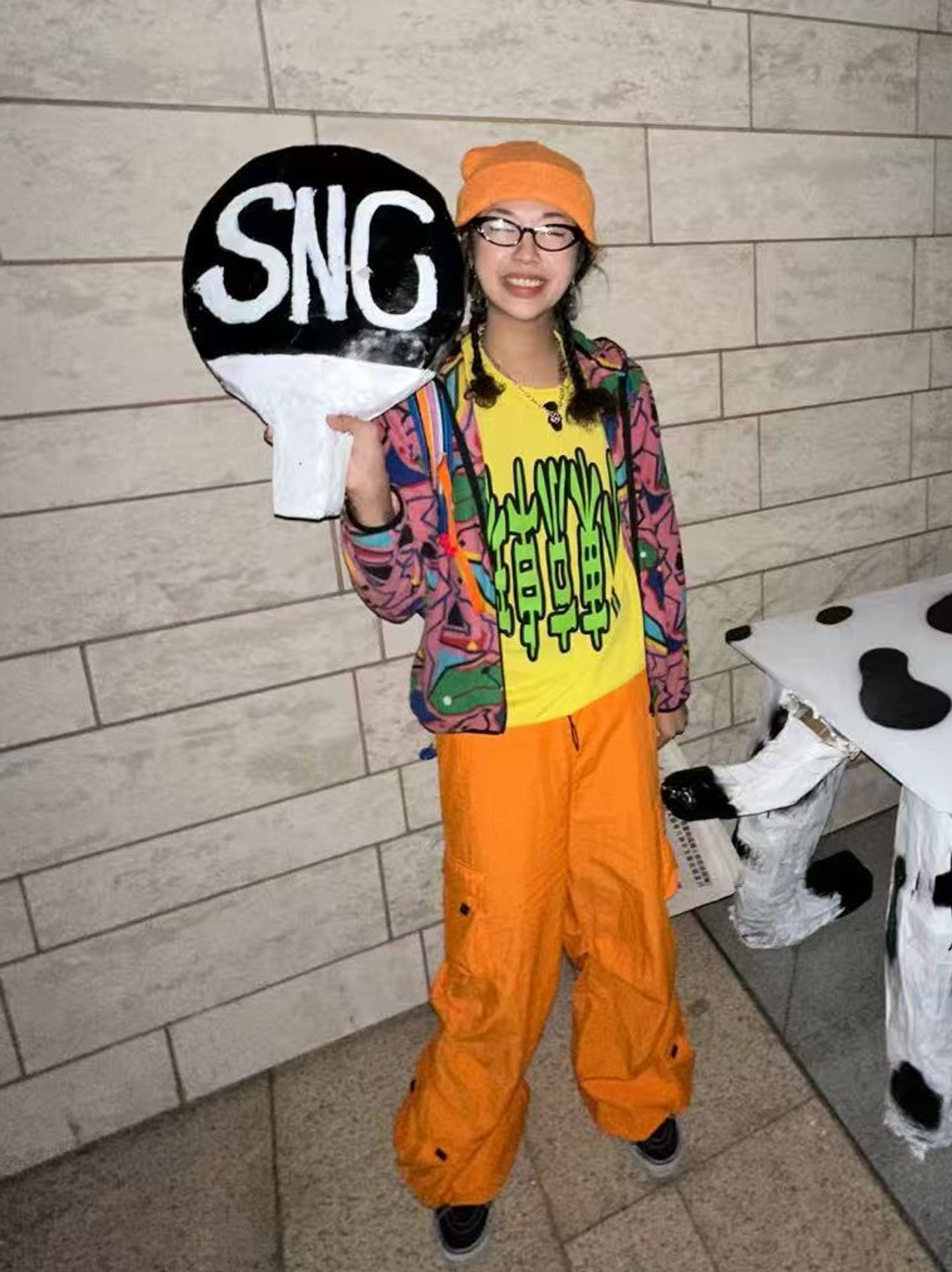
Watako is s creative and visual designer—and an Easterner born under the star of the God of Cookery—currently based in Shanghai. She excels at distilling a playful visual grammar from everyday landscapes, seamlessly blending art direction, visual display, object design, and handcrafting. Continuously drawn to the aesthetic genealogy and folk traditions of street food, she collaborates with a diverse array of artists, designers, and creators. Using food as her medium, she orchestrates varied stylistic experiments and public activations.
Watako 创意兼视觉设计师,食神命格的东方人,现居上海。擅长从日常景致中提炼谐趣的视觉语法。融合艺术指导、视觉陈列、物件设计与手工创作。持续关注街头食物的美学谱系与民间传统,与不同艺术家、设计师、创作者合作,以食物为媒,展开形式各异的造型实验与公共活动。
Iris Sham Sin Hang
Read more
Multidisciplinary artist and researcher
Iris Sham Sin Hang
Multidisciplinary artist and researcher
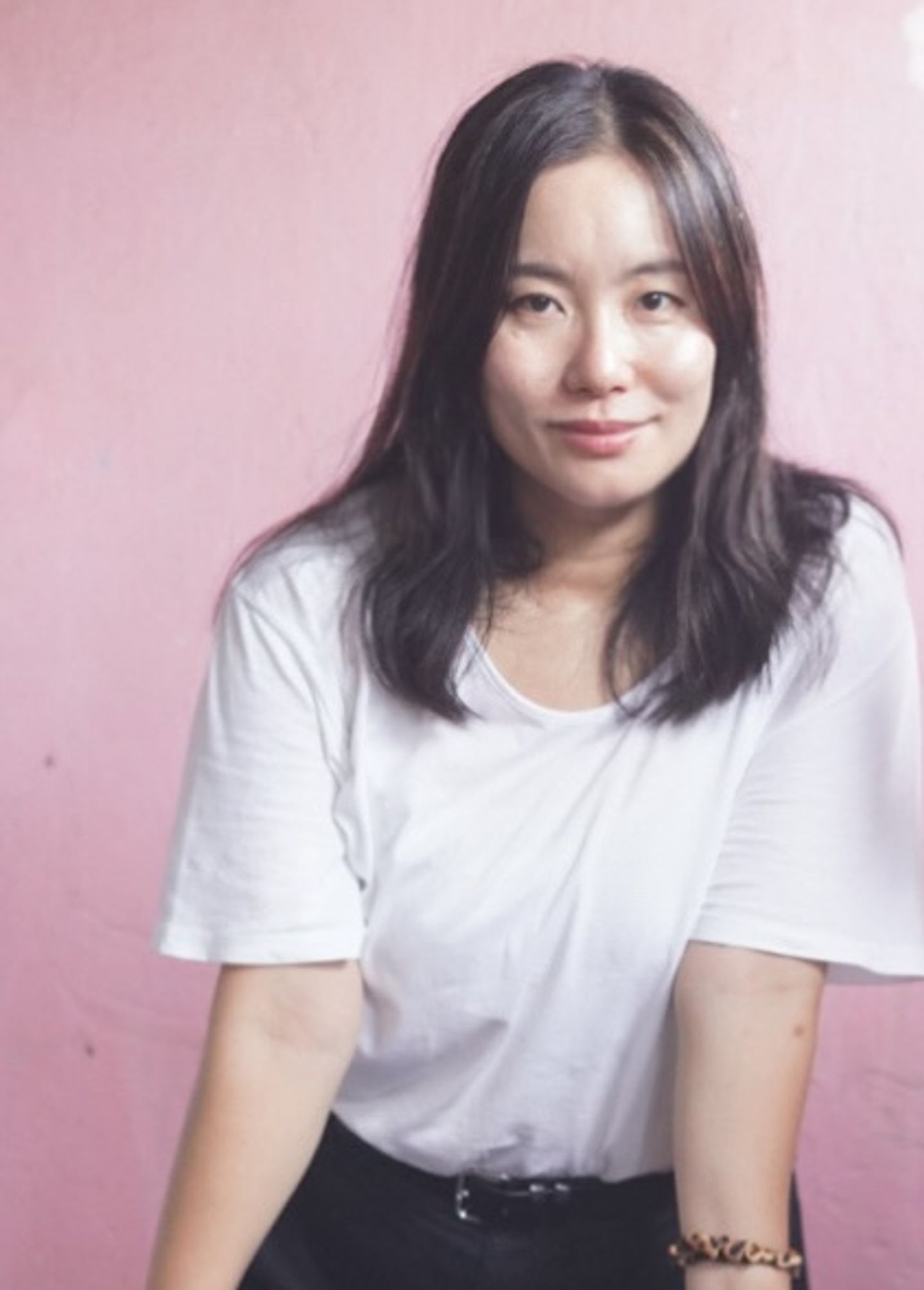
Iris Sham Sin Hang is a multidisciplinary artist and researcher whose practice intertwines food, image and material processes. With a background in politics, law and food-based art research, she explores social justice, collective memory and cultural rootedness. She uses ingredients, fermentation and lens-based work as poetic archives to cultivate tenderness and resilience. She is now a member of Food Art Research Network and the food editor for Planted Journal.
岑倩衡是一位多领域艺术家与研究者,她的创作实践将食物、影像与物质过程交织在一起。
凭借在政治、法律以及食物艺术研究领域的背景,她深入探讨社会正义、集体记忆与文化根基。她将食材、发酵以及基于镜头的影像作品作为诗意档案,以此来孕育温柔与坚韧。
她目前是食物艺术研究网络(Food Art Research Network)的成员,并担任《Planted Journal》的食物专栏编辑。
#fff Studio
Read more
Food design studio
#fff Studio
Food design studio
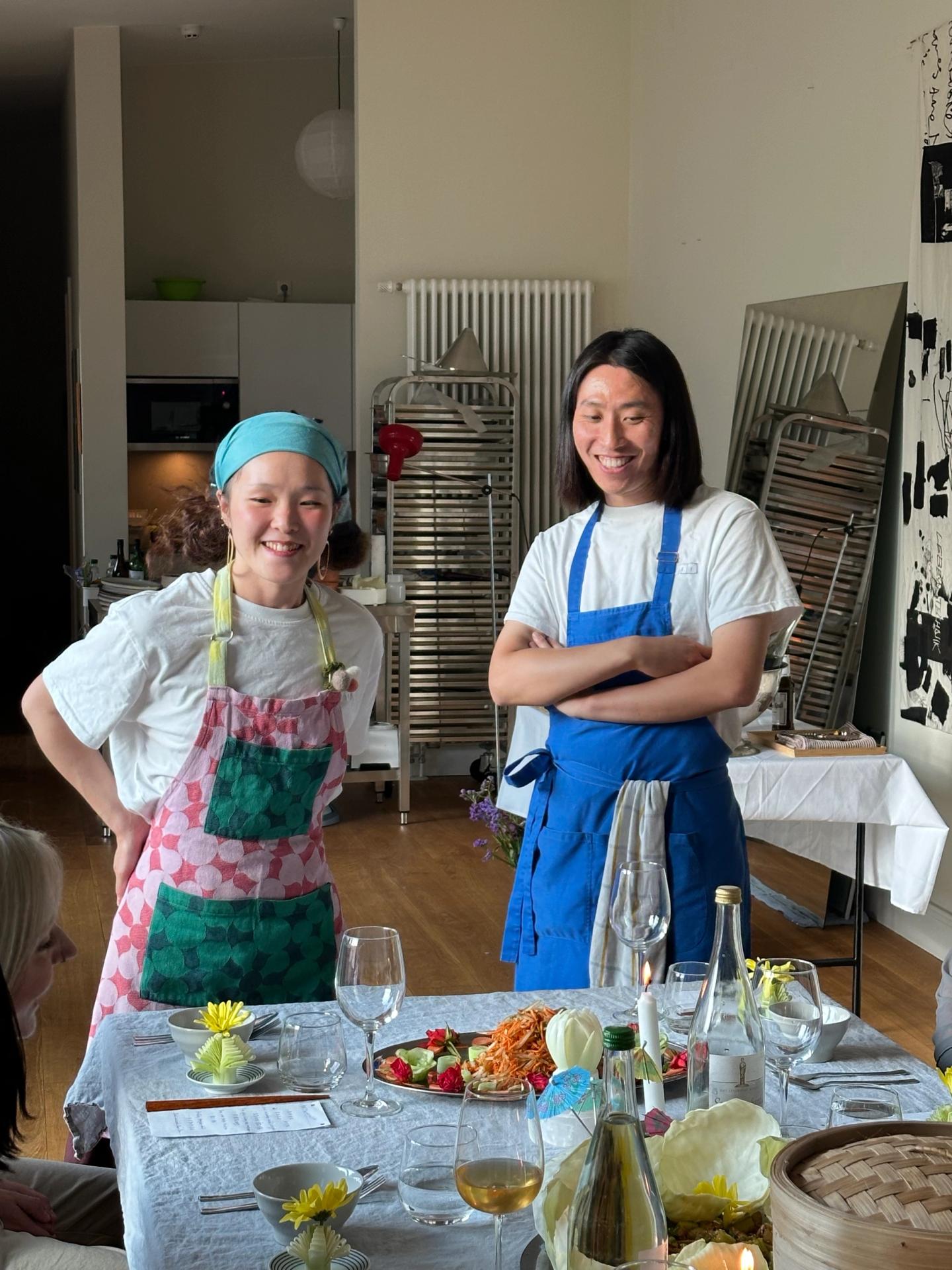
Founded in 2021, #fff is a food design studio centered around culinary-driven activations. We are also a food art collective dedicated to showcasing and selling food-related publications, while providing art direction, food exhibition design, and event catering services.
Here, food is no longer merely an object to be chewed and consumed. Instead, it acts as a thought-provoking protagonist deeply intertwined with a multitude of social activities. Food transcends mere survival—it possesses profound social and political dimensions, exerting a significant influence on economic and societal development.
Initiated in 2021 and formed by a collective of food enthusiasts, our love for gastronomy drives us. Through collaborations with diverse individuals and organizations, we strive to continuously unearth new dialogues. By utilizing food design as our medium, we intimately observe the interactions between food and humanity to explore the fundamental questions: How do people eat? Why do they eat? And in what manner do they eat! This is exactly why #fff was born.
#fff 是一个成立于2021年,围绕“食物”展开活动的食物设计工作室,也是一个用于展示和售卖与食物相关出版,提供美术指导、食物展览设计及活动餐饮服务的食物艺术团队。在这里,⻝物不再是单纯被咀嚼和⻝用的对象,相反与许多的社会活动是紧紧相依并且引发人们思考的主⻆。⻝物不再拥有生存性,而是拥有社会性、政治性、对经济和社会发展有很大的影响力。
我们从2021年开始,并且由一群热爱食物的人组成,我们喜爱食物,希望通过与不同个体和组织的合作不断地发掘议题,并透过食物设计的手段,切身观察食物与人之间的互动从而探究人如何吃?为何吃?以及怎么吃!这就是#fff 诞生的原因。
Residency in Shanghai
The residency unfolds as a ten-day exploration of food as a lens through which to understand the cultural, social and material tensions that shape contemporary China. Beginning with a welcome dinner, participants are introduced to a series of immersive workshops, shared meals, site visits, screenings and discussions that each investigate a different form of "tension". From the physical act of carving a winter melon and practising traditional movement, to encounters with industrial food production, regional cuisines, fermentation, tea culture, communal cooking and the memories embedded in taste, the programme moves between embodied experience and critical reflection. Participants will visit markets, restaurants, studios, parks and cultural spaces, engage with local chefs, artists, designers and researchers, and take part in journalling, drawing and collective cooking sessions. Structured around a gradual progression from physical and systematic tensions to regional, ecological, culinary and emotional ones, the residency culminates in an exploration of memory, diaspora and flavour before participants depart with a richer understanding of China's evolving food landscape and the many relationships that food creates between people, place and culture.
*The residency will happen with a minimum amount of 10 participants. Please wait to buy your travel-tickets until the course capacity is confirmed.
FAQs
Sign Up
Please read our return and warranty policy here.
And our terms and conditions of purchase .