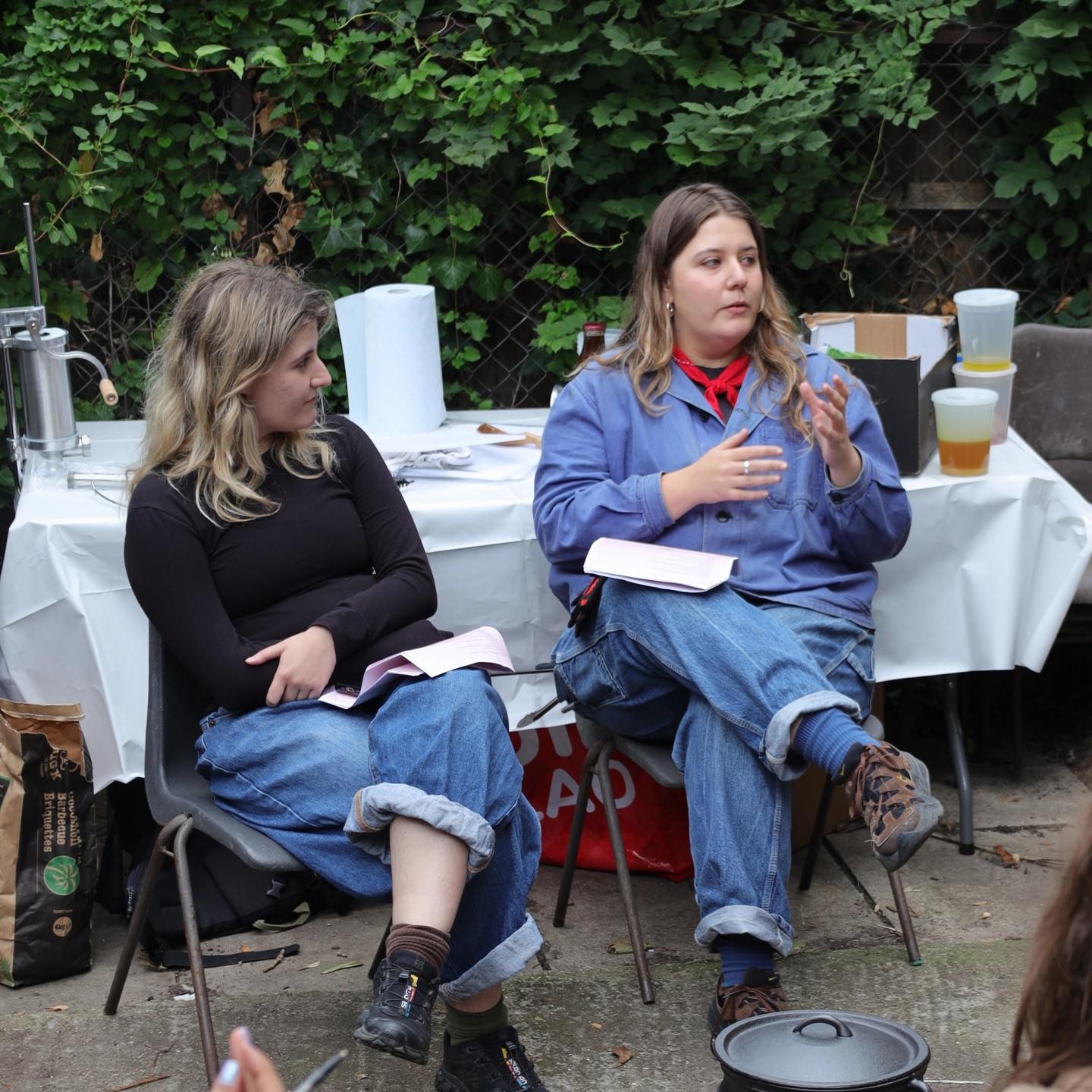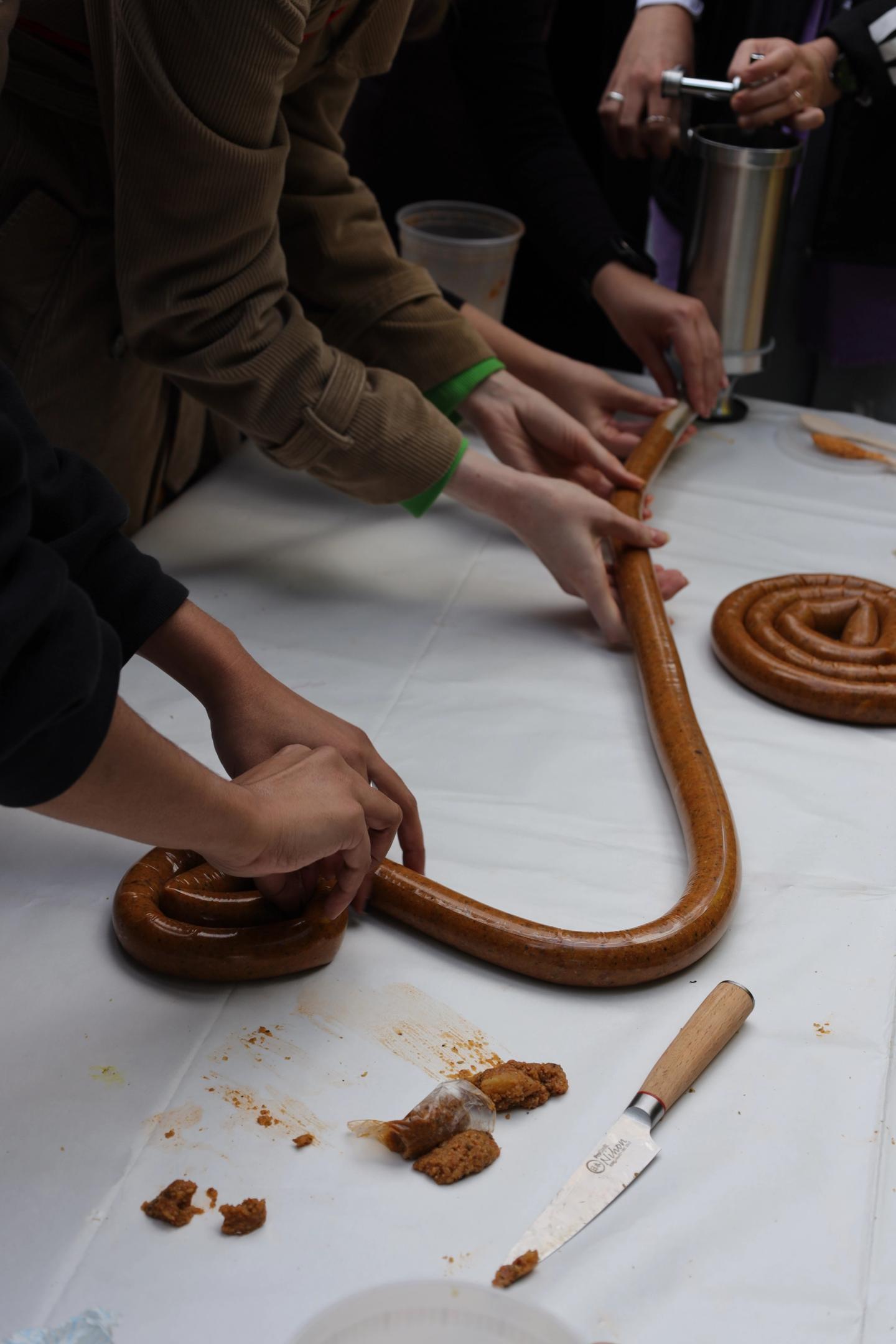
Food has always been more than sustenance. It is gesture, memory, and ritual. It lingers in the kitchen table’s conversation, in the grease on fingertips, in the quiet work of peeling, boiling, fermenting. Queer food, in turn, is not singular; it is plural and it is many. It is open to shaping by all who indulge in it. Queer food can mean so many things due to its unlimited richness, one which even rivals Nigella’s. With queer food, cooking becomes performance; eating becomes ritual; sharing becomes resistance.
These acts of culinary resistance are embedded across history and through generations. It manifested in the lesbians who devoted their time, love, and energy into caretaking during the height of the AIDS epidemic. It existed in the secret language of Polari used by gay men in mid-20th century England, in which food became metaphor. A ‘chicken’ was a young gay man; ‘seafood’: a sailor; and ‘dish’: your buttocks. We see it through potluck suppers and communal meals, which make space for those with little to bring to the table alongside those who have plenty.
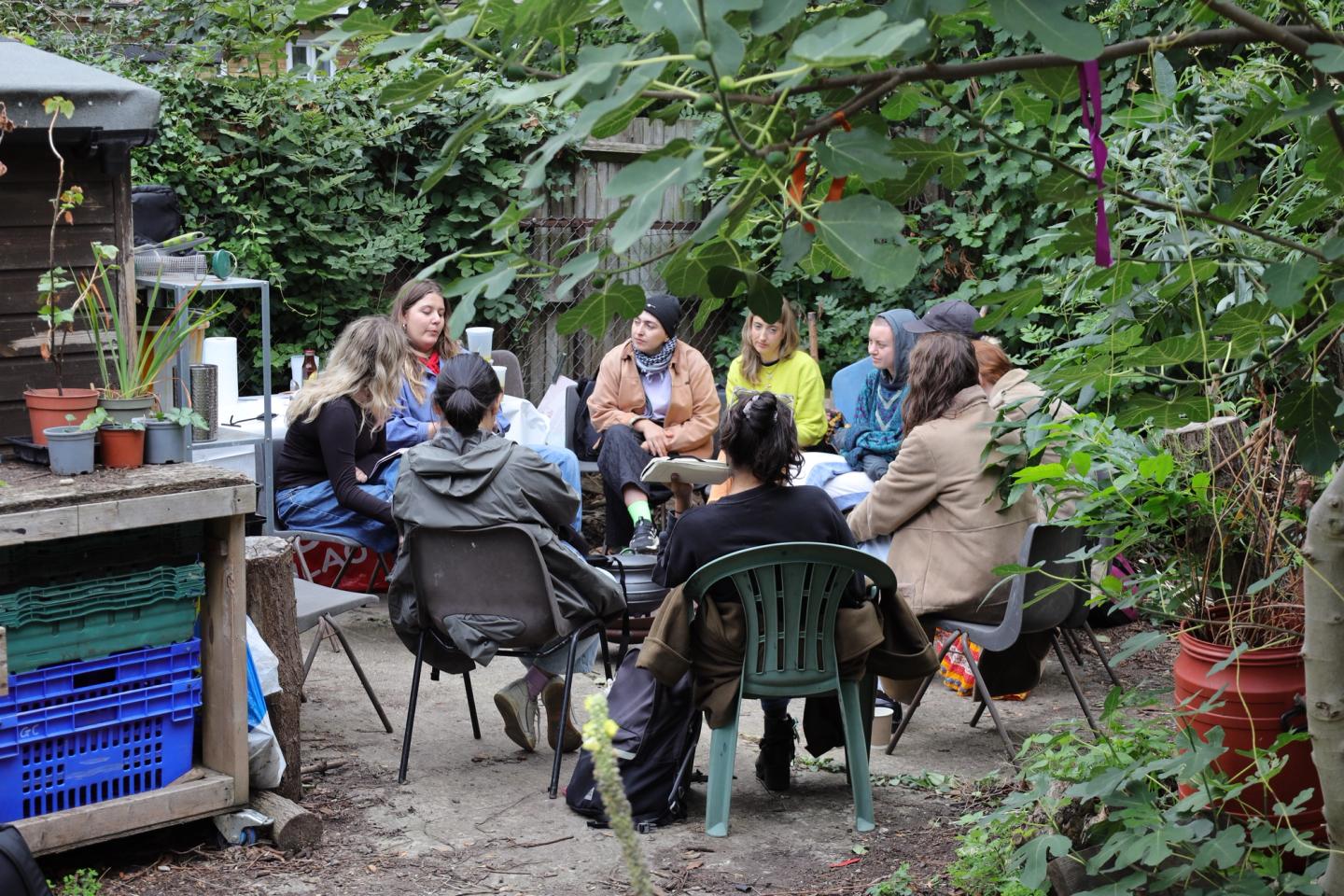
Looking to the past can inform our understanding of queer futurity. Emma Banks puts it well in Pass the Butchy Borscht: Digging in the Lesbian Cookbook Archives (2023), stating:
“When your food—and your recipes—nourish a community that has been torn apart by homophobia, bad politics, and AIDS, at some point every meal starts to feel like an act of resistance. Sometimes getting fat is an act of war. Sometimes sheer survival is the most powerful form of revolt.”
We can learn much from our current political climate, where queer and trans rights are consistently called into question and violated. This short course invites you to taste through its textures, concepts, and transformations. Across this multi-sensory programme, we gather artists, growers, chefs, writers, performers, and thinkers to stir a collective pot. Not to define queer food, but to allow it’s slippages, to poke through its holes and to expand its meanings, undo its hierarchies, and celebrate its mess.
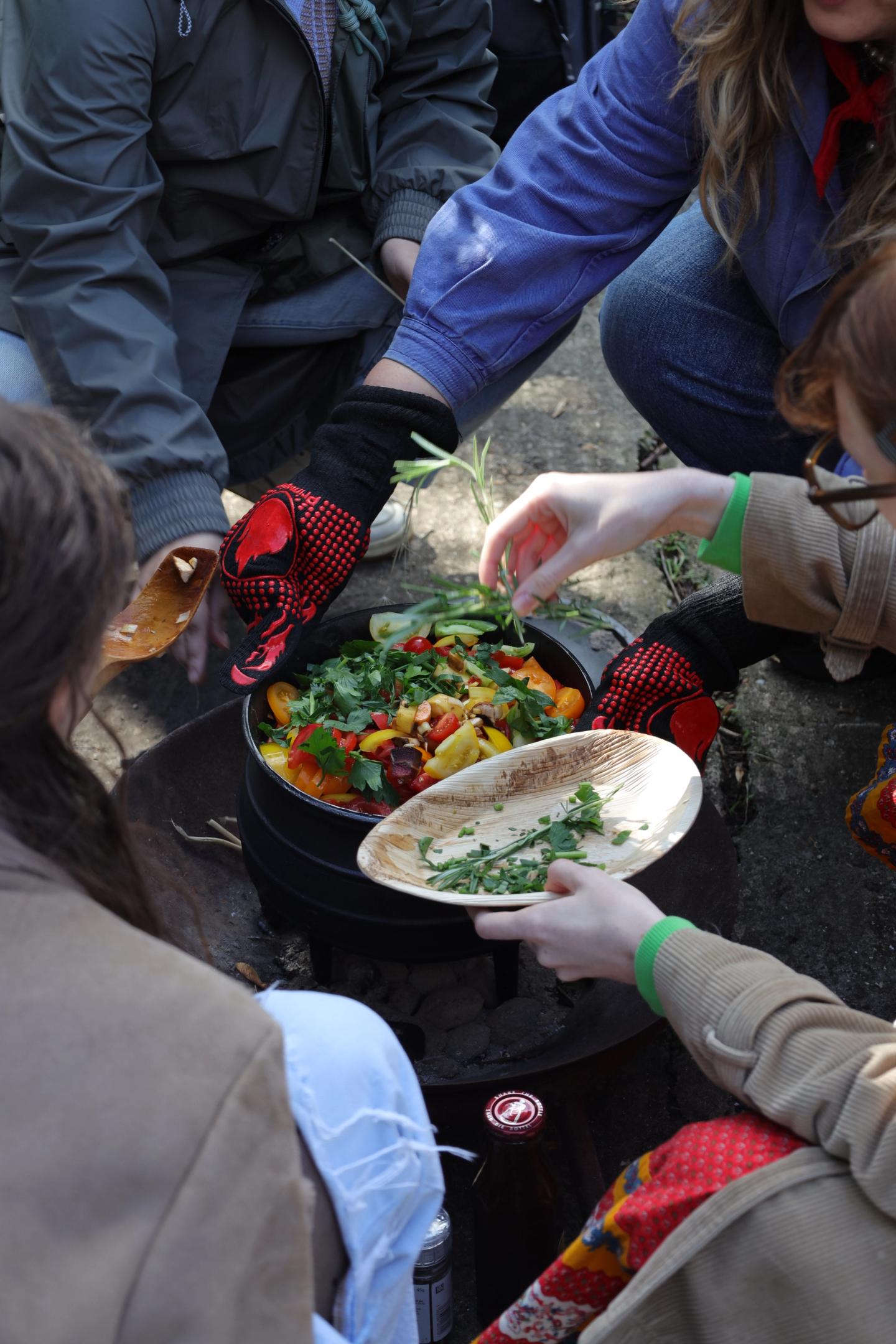
From composting piled and reimagined utensils; to communal , meditative spice blending, and slow fermentation of thought, we’ll delve into food as a site of queer kinship, survival, storytelling, and pleasure. Together, we’ll examine the tools we use, the ecologies we cook in, and the politics of our plate. Food will guide us through soil, spice, simmer, and spit, to ask not just what we eat, but how and why, and with whom.
Queer Food is a recipe not for replication. It’s a table with no head, a collection of mouths, a bubbling pot of a shared hunger. This is not a fixed syllabus, nor a traditional residency. It is a digesting of praxis: slippery, surprising, and tart.
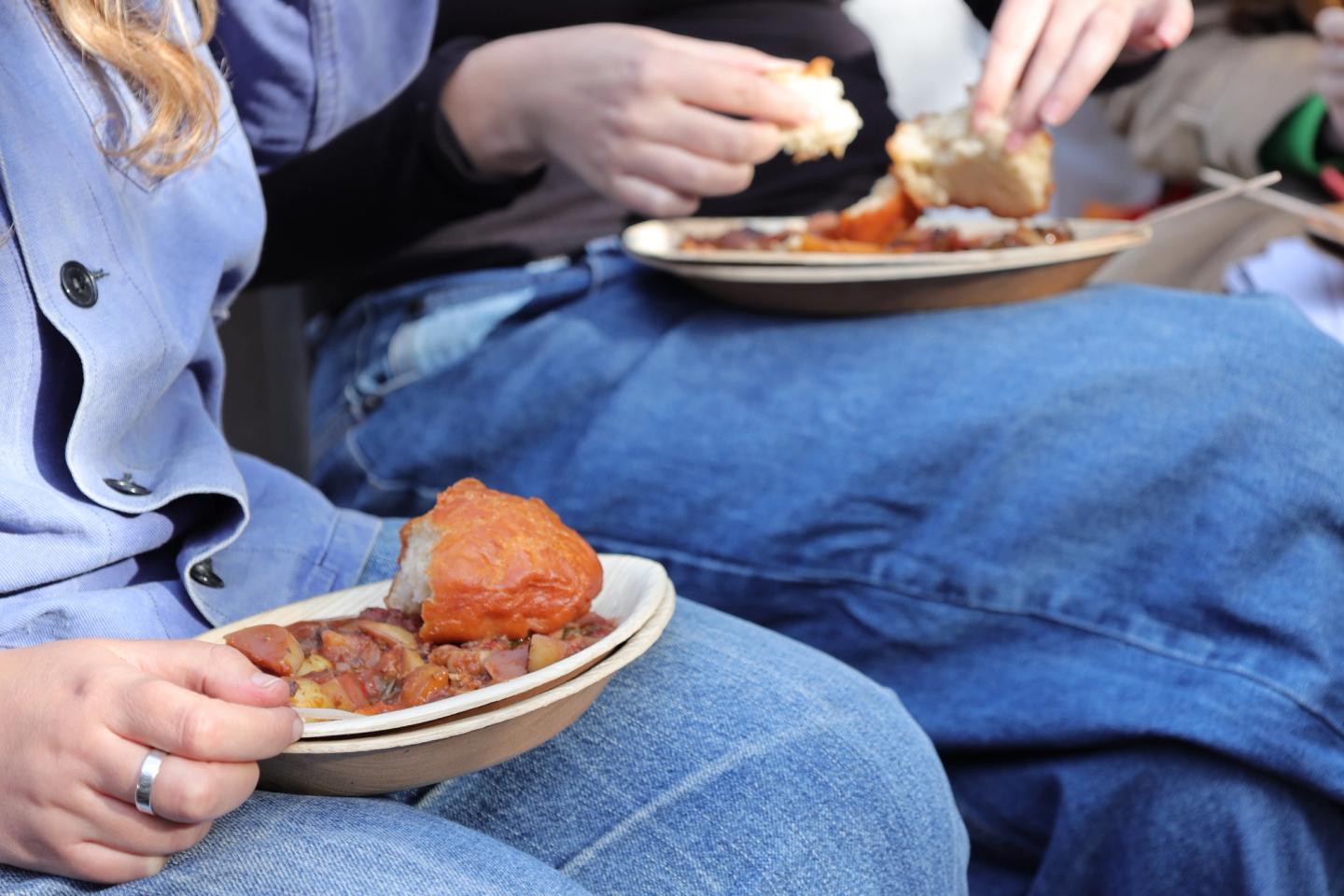
This article is a contribution from collaborators on The Gramounce Queer Food short course 2025. Their writing is taken from the Queer Food introductory handbook, exploring the notion of queer food within food & art.
_______
Every Mouth Needs Filling is a curatorial collaboration between Elisha Fall (they/she) and Caitlin Fleming (they/them), exploring the intersections of queer practice. Envisioned as a future project space, it responds to London’s contemporary art structures through site-specific programming, communal making, critical discourse, and alternative exhibition models.