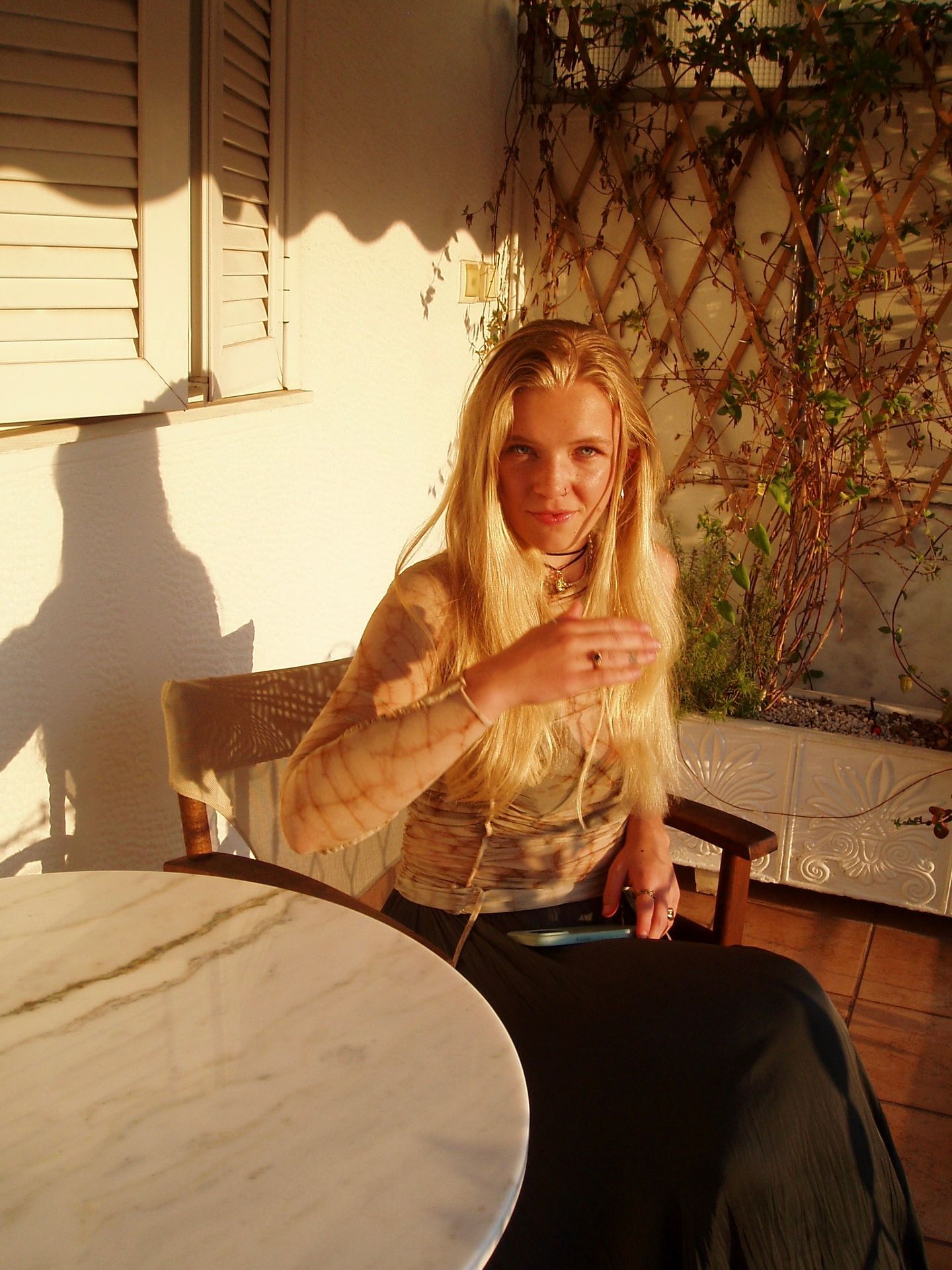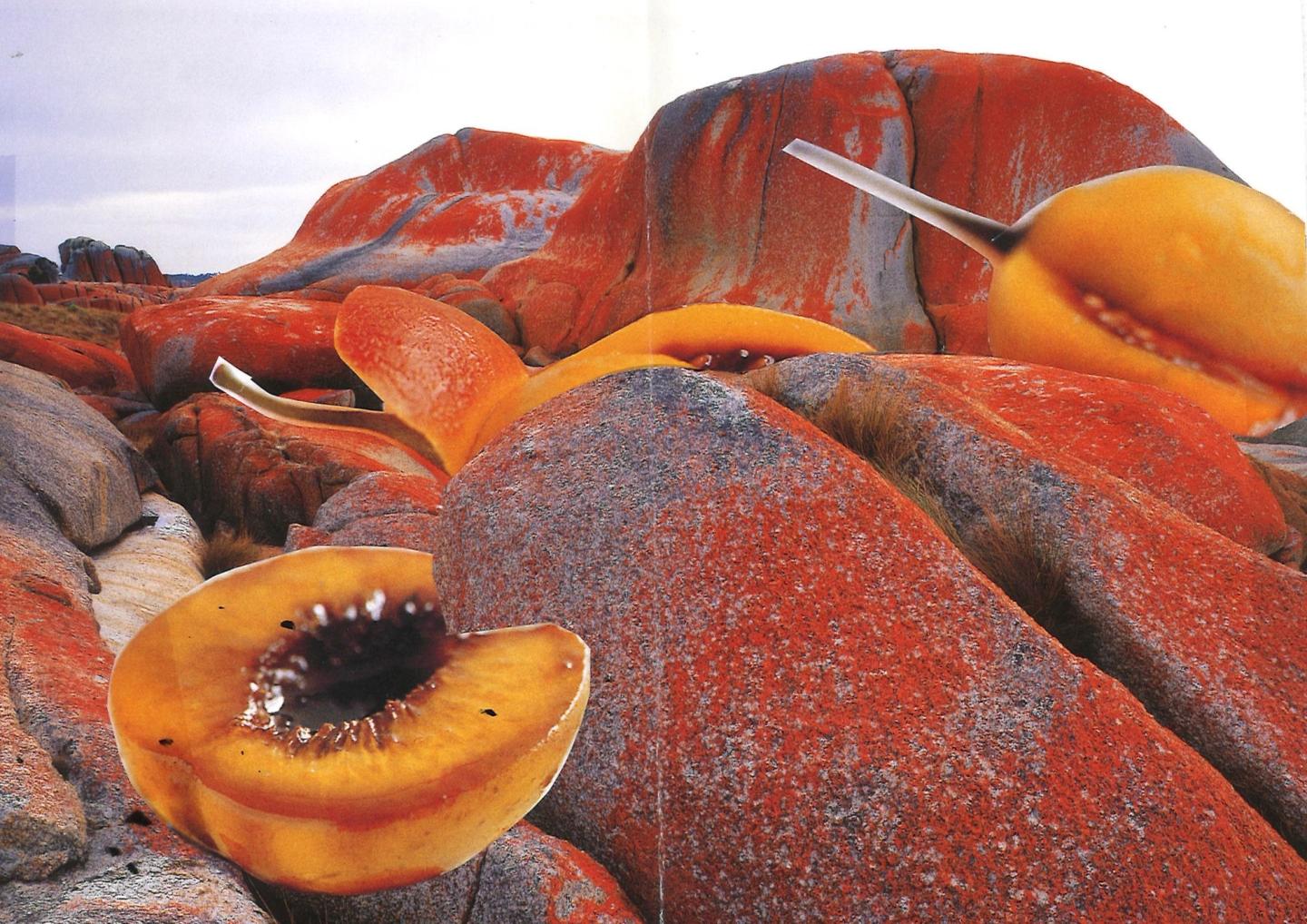
As the sun rises over Sydney, café doors fold back and the ritual begins. Here, a pilates instructor, tradie and executive all reach for the sugar at the same moment. The student pretends to study whilst the retiree reads the morning paper. Run clubs descend flushed and breathless. The Australian café is our daily communion, democratic, rhythmic, and obeyed without question.
It feels quintessentially ours. Iconic and singular, a ceremony that can only be repeated here on this land. And yet, what feels quite so Australian was, in many ways, imported and then gently adapted to fit the rhythms of a then-new environment.
Our cafe culture was built in layers. Long before the run clubs and single-origin pour-overs, Greek migrants were opening milk bars and cafés across Australia in the early twentieth century. In small towns and city strips, they created spaces that stayed open late, fed everyone affordably, and became the social anchors of their communities. The café, even then, was more than a place to eat, it was a meeting point.
Then came the post-war wave of Italian migration. They brought espresso machines, dark roasted beans, and the ritual of standing at a bar for a quick, strong coffee. What was once instant and percolated, evolved to become imbued with crema and textured milk. This is where our famous Aussie flat whites were born.
Later waves of migration folded themselves into the menu. Aussie brunch expanded to feature the Vietnamese crusty rolls, Lebanese garlic sauce and falafel, whipped ricotta and Turkish eggs, sprinkled with Dukka, and Japanese matcha; all now sit comfortably coexisting with smashed avocado. Our café menus read like an atlas. This ritual which we call our own has been gently crafted by many hands.
We speak endlessly about the coffee, and it is good, but it is the food that tells the fuller story.
A plate of caramelised crumpets arrives, their edges lacquered and crisp. On top: coconut labneh, cool and thick, made from local dairy; mint syrup catching the light; pineapple, sweet and sharp, straight from the Queensland heat. Beside it, mince on toast. Blackmore wagyu, richly marbled, descended from Japanese cattle but raised on Australian pasture, now folded onto sourdough with a scattering of currants, toasted almonds and softcrème fraîche. Add an egg, and watch the yolk spill gold across the plate.
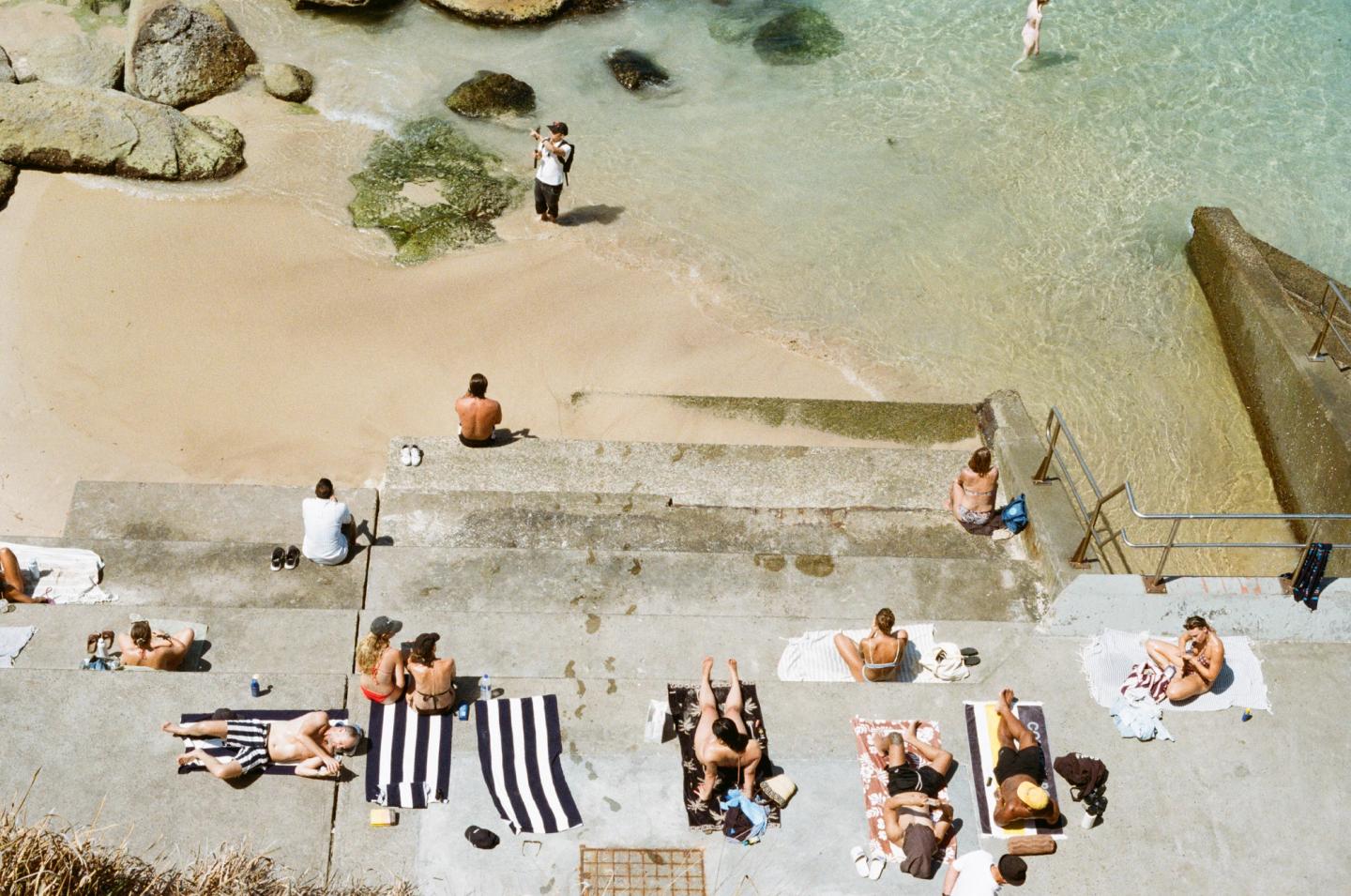
These dishes are not confused. They are composed. Flavours leap bright and immediate, then settle into something slower and deeper—sweetness against salt, richness cut with herb—the kind that makes you lean back and let the taste unfold in waves.
In supermarkets, stickers boast “100% Australian made.” We are proud of what grows here. We are a country ringed by water and baked by the sun. Our produce grows under a sky that rarely withholds light. Our herbs are sharp with fragrance. Our citrus cuts clean and bright. The land works hard, and this translates directly to flavour. This sun-soaked soil allows each fruit and vegetable to shine; tasting any other tomato now feels like a meagre imitation of what a real one should be. Our strawberries drip with sweetness, our mangoes smell of summer, and our seafood carries the salty crispness of a fresh catch.
What we call our own was carried here, layered onto a country whose food culture, those of the First Nations, are arguably the oldest continuous cuisines on earth, were not folded into the menu but instead pushed off it entirely. Everything that came after arrived in that absence. And yet, as the political conversation around migration grows more hostile, we seem increasingly willing to forget the links between the layers we claim and their origins. The hands that built this café culture, the milk bar owners, the espresso pullers, the cooks who folded their histories into our menus, arrived under circumstances not unlike those we now debate on the evening news.
The combinations may travel, but the ingredients are rooted. What we call “Australian” is not singular. It is layered, adaptive, generous. The café is simply where that truth becomes visible and edible. Each morning, before the day properly begins, we gather to eat the evidence: borrowed traditions, local abundance, history softened into habit.
A fork breaks through mince. Labneh melts on warm bread. Around us, cups are cleared and new orders called. It is an ordinary scene, repeated tomorrow and the next day. The yolk breaks, running gold across the toast, catching the light of a generous sky that has fed people for tens of thousands of years.

Isabella Wordsworth (She/Her) is a London-based graphic designer and writer interested in empathy as a design problem, how spaces, images, and quiet rituals shape the ways we gather, witness, and remain with one another. Her work is rooted in designing with communities rather than for them, tracing how culture is built collectively, layer by layer. Moving between design and essay, she explores ritual, memory, and belonging, and the ways everyday environments from public systems to shared tables, shape how we understand one another.