Food has become one of our most visible commodities. Every meal is a potential post; every recipe could be a reel. Platforms demand constant documentation, aestheticisation, and consumption; not just of food, but of the care and labour embedded in it. The act of cooking—of nourishing others—has been folded into a cycle of capitalist surveillance, where visibility is currency, and care becomes a performance.
As a culinary artist who centres intentional nourishment, my work enacts radical care: an incentive which places the care of others above financial rewards or capital. As such, I find this digital imperative deeply fraught. It asks us to constantly translate intimacy into content, and presence into proof. We must narrate every gesture, annotate every flavour, package every moment in ways to optimise engagement, likes, and shares. Rather than centering care, we are asked to commodify it.
There is, however, a growing and urgent need to resist this demand, to reclaim spaces of food and care that are offline, unrecorded, uncurated. To refuse the constant meaning-making machine that digital culture has become, where nothing is just felt or experienced, but must be interpreted, framed, and monetised. At the heart of this dynamic is a system of capitalist surveillance, a mode of power that monitors, measures, and monetises human interaction.
Food content rarely exists outside of this logic. It must be perfectly styled, timed, and captioned. It has to tell a story that is palatable; not just in flavour but narrative too. The TikTokification of food media has cultivated a competitive space where the goal is no longer to prepare nourishing meals, but simply to go viral; creating dishes designed solely to capture attention and perform well in the algorithm. High-profile success stories have set the standard for food content that prioritises novelty and shock value over quality or taste. Chefs and food content creators are under increasing pressure to outdo one another, churning out sensationalised, and often wasteful, creations in a bid for fleeting internet fame. This relentless race for likes, shares, and views transforms cooking from a practice of care and nourishment into a performance driven by capitalist imperatives; where visibility, not sustenance, becomes the goal. The algorithm further entrenches this by punishing those who fail to play the game, sidelining content that doesn’t maximise engagement, spectacle, or virality. Instead of celebrating the quality of ingredients or the satisfaction of nourishing others, the focus shifts. The pursuit of viral content exacerbates the pressure to produce, commodifying every dish and devaluing the authentic, intentional practices that are central to cooking well.
Care is no longer just care; it is a spectacle. It’s a performance that is exhausting, particularly for those whose identities and labour are already politicised. The pressure to perform care online is also a pressure to perform safety, belonging, and excellence in ways that erase complexity and ignore exhaustion. Despite being widely commodified, the very act of caregiving—cooking a meal, sharing food, holding space—can sometimes be deeply unshareable, unaesthetic; unapologetic. It thrives in unmediated moments. The smell of spices in a kitchen, the warmth of a hand passing a plate, the quiet understanding in a shared glance: these are forms of knowledge and connection that cannot be digitised without loss. When digital culture demands that every action be meaningful, and every gesture documented, analysed, and made legible; what if care and nourishment instead existed in their refusal to be fully known or explained? What if some acts of care are valuable precisely because they are opaque, fluid, and provisional?
In my own practice, I have learned the power of invisibility. Some meals are not for sharing beyond the table. Some recipes are oral, whispered, or improvised without measurement or documentation. This refusal to produce content is a political act, a defiant boundary-setting against the endless demand for meaning-making and commodification. Caring without explanation resists the logic of extraction that underpins much of contemporary digital life. By centering the embodied, the sensory, and the relational over the representational; it insists that nourishment is a process lived in time and space, not a product to be captured and consumed. Not everything is meant to be public, scalable, or viral.
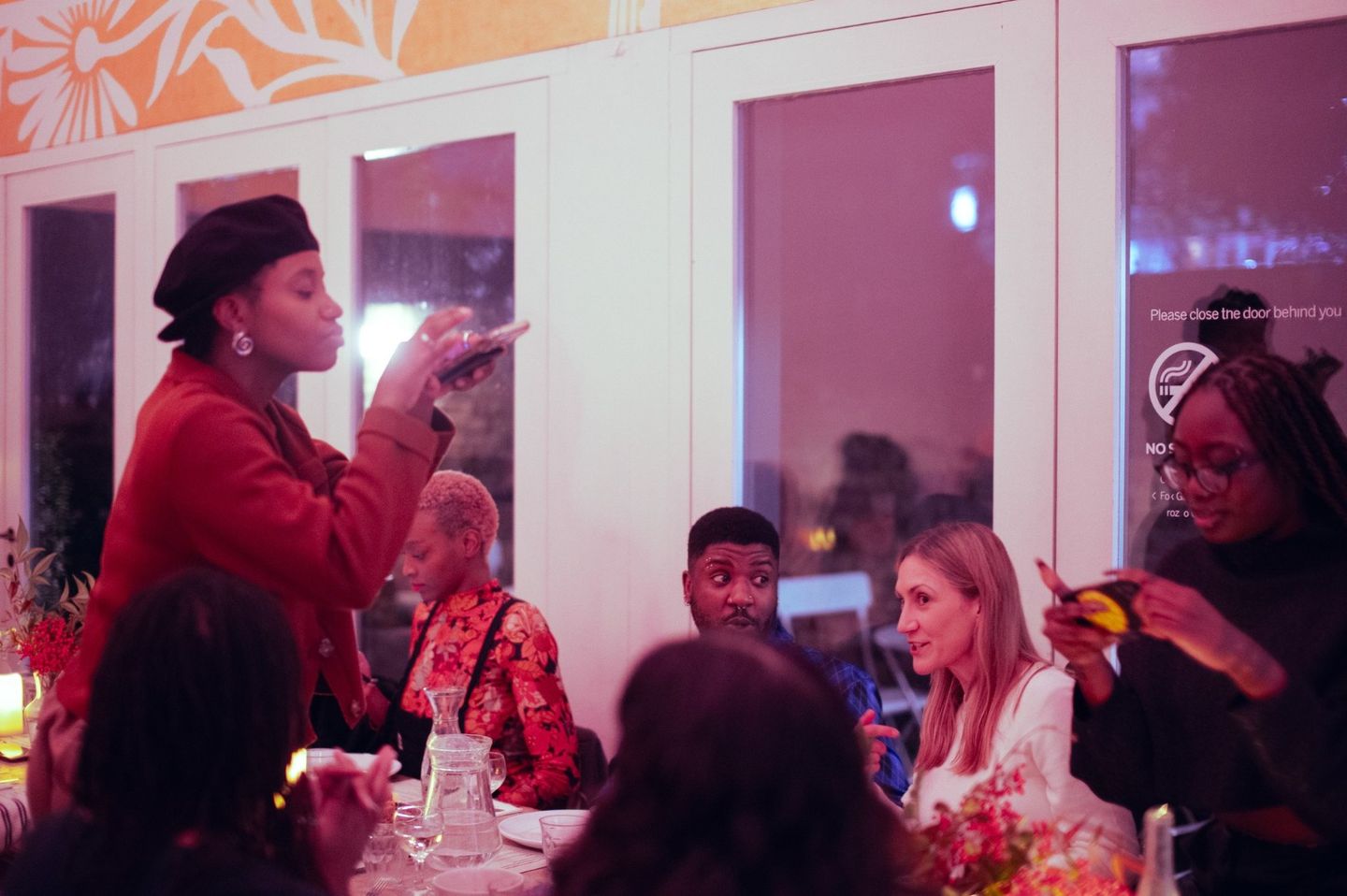
Cooking offline is a way to hold care close, where the relational aspects of food can be honoured without mediation. To cook offline is to enact a form of political refusal. It is to reject the extraction of care and intimacy for digital capital. It is to recognise that some acts of resistance are quiet, embodied, and relational rather than loud or performative. In a world where meaning is often imposed from above through algorithms, platforms, and visibility economies; food made and shared offline allows for multiplicity of form and language. It opens possibilities for care that are not constrained by the need to be seen or validated. This refusal also aligns with broader abolitionist and decolonial practices that seek to dismantle systems of control and surveillance. Cooking offline reclaims the body, the table, and the kitchen as sites of autonomy and sovereignty.
Creating digital boundaries is not nostalgia for a pre-digital era, but a deliberate, urgent cultural defense. It is a refusal to feed the algorithm with our labour, our love, and our nourishment. It is an insistence that care can exist beyond performance and commodification. and it is an invitation to reclaim intimacy, secrecy, and relationality as radical forms of resistance. In a world that demands constant visibility, sometimes the most revolutionary act is to exist quietly, away from the gaze, and let the meal, and the moment, be enough.
This article is a contribution from one of the participants of The Gramounce Food & Art Alternative MA 2025-27. Their writing is inspired by one of our seminars, or responds to a similar field of interest within food & art.
_______
Photos by Mister Obat .
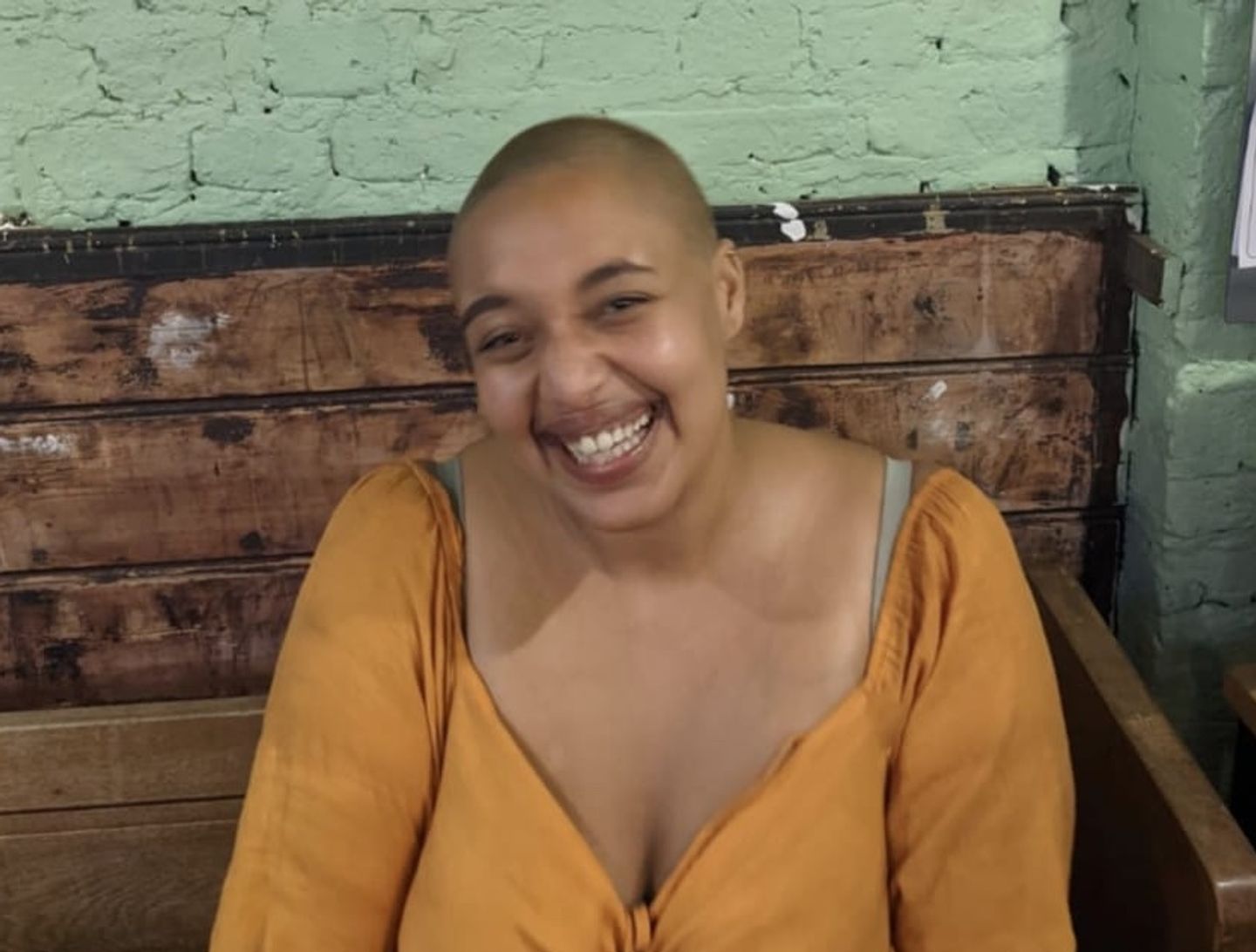
Safiya Robinson (also known as SisterWomanSaf) is a chef, interdisciplinary facilitator and culinary artist exploring food as a site of memory, culture, wellness, and care. Through workshops, participatory meals, research, and writing, she designs embodied experiences grounded in her philosophy of Intentional Nourishment: the practice of using food and shared ritual to cultivate dignity, pleasure, and meaningful connection. Inspired by her Black American, Jamaican, and British heritage, her culinary focus centres deeply considered vegan soul food through a distinctly London lens. She also hosts and produces The Intentional Nourishment Podcast, which expands this work through dialogue with other chefs, artists and thinkers.